There are loud bands, and then there are bands like Family of Addiction. The kind that don’t just play a…
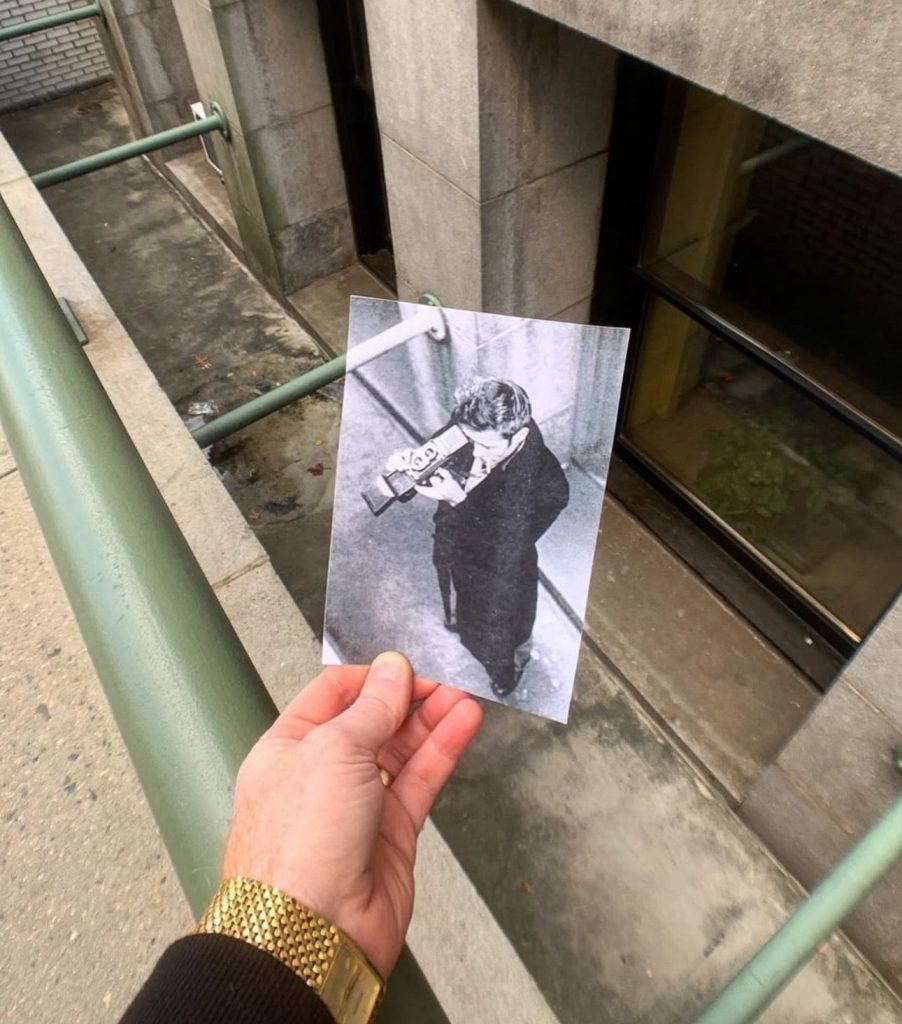
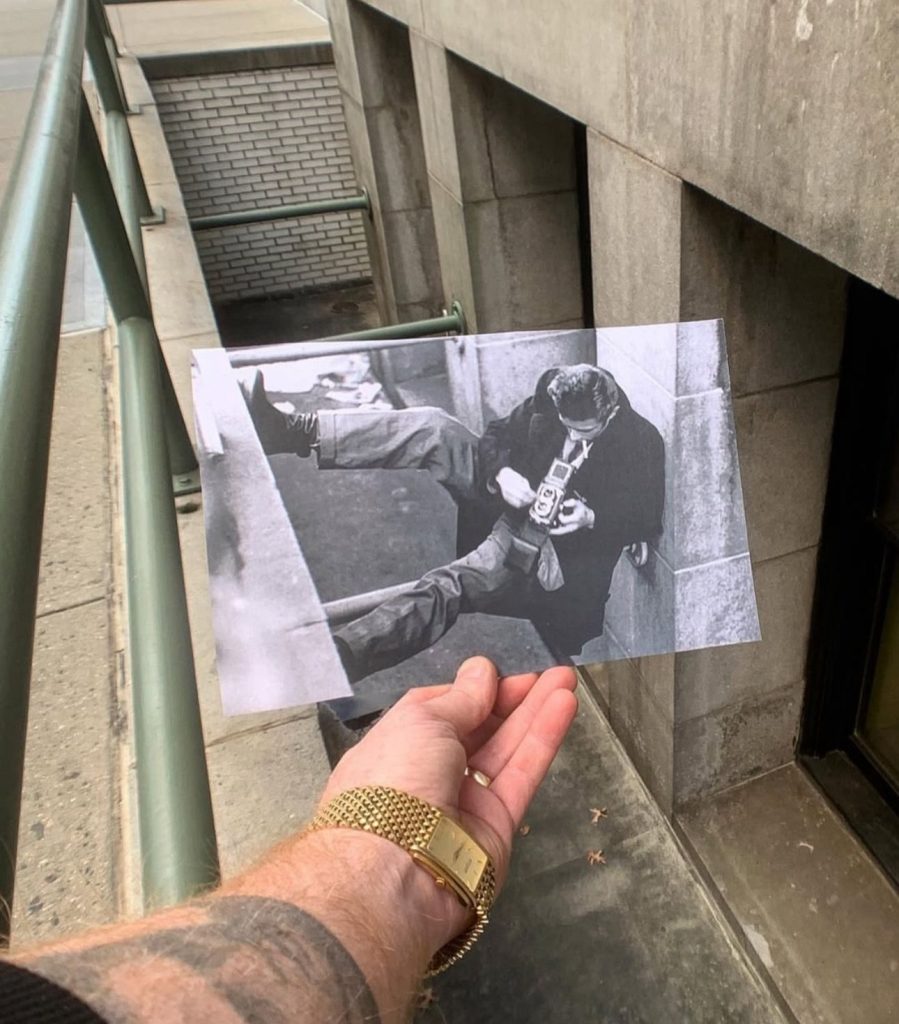
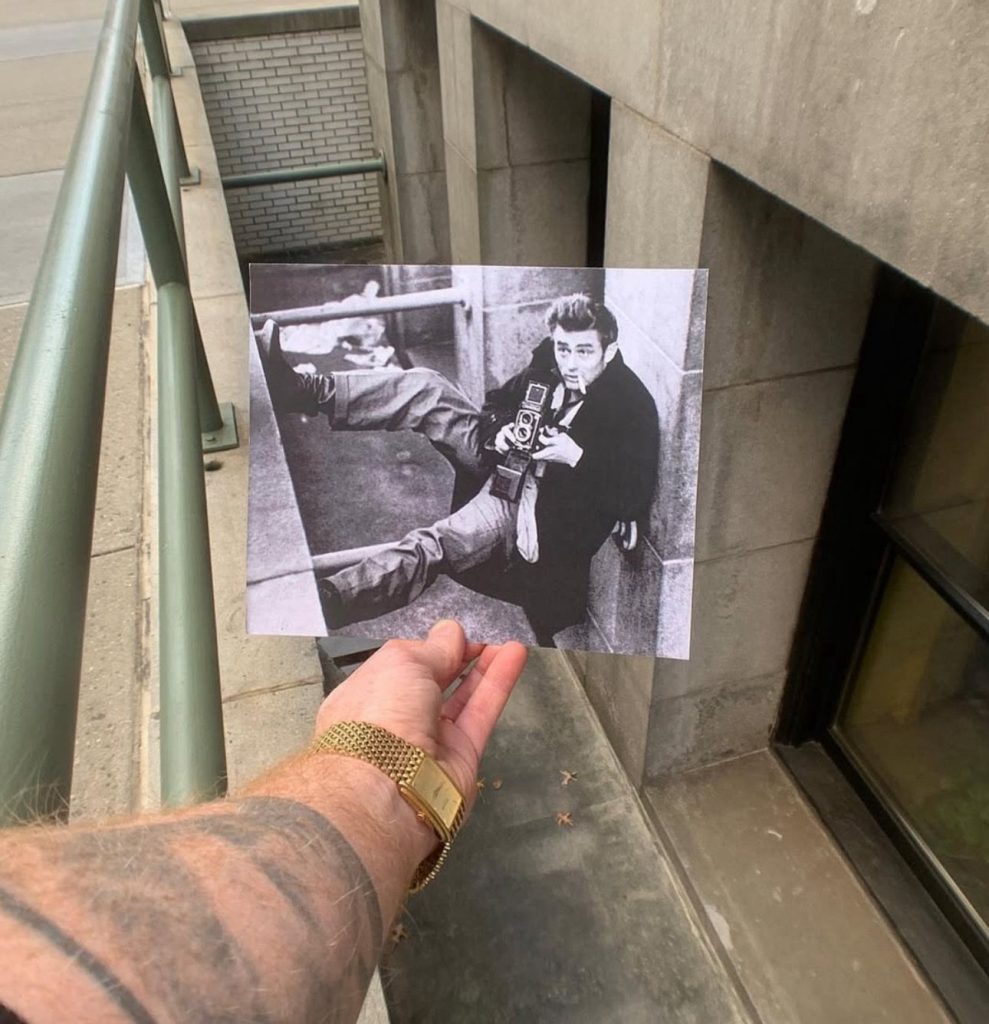
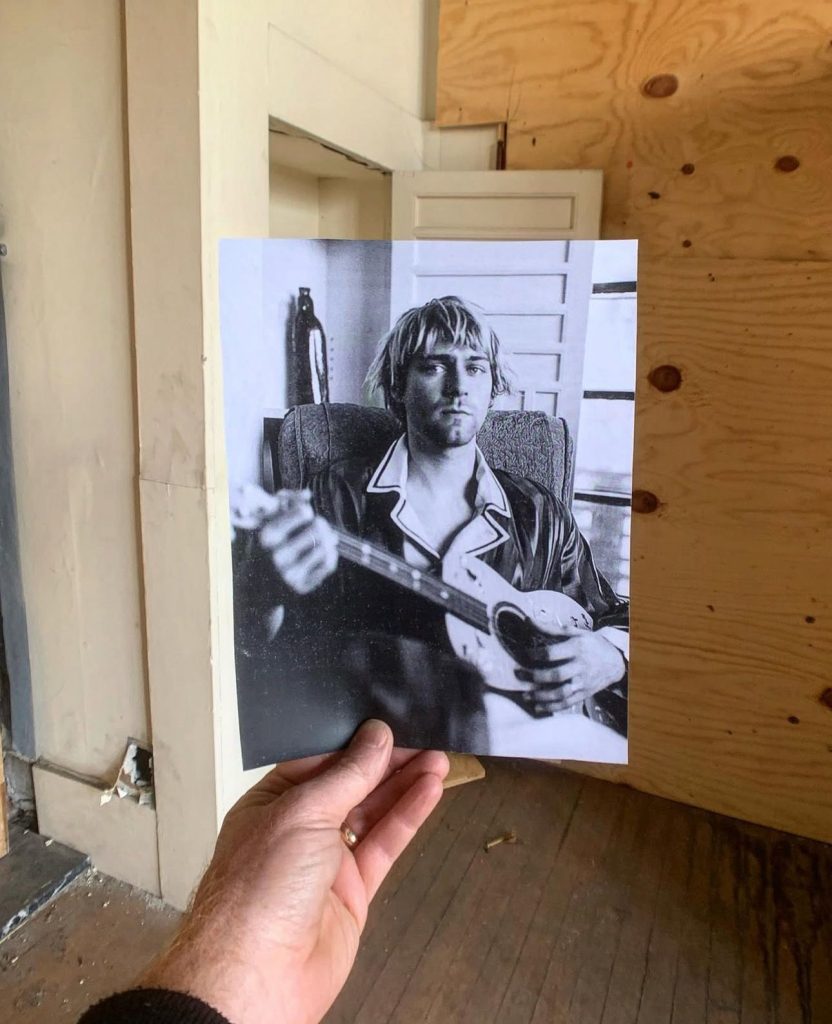
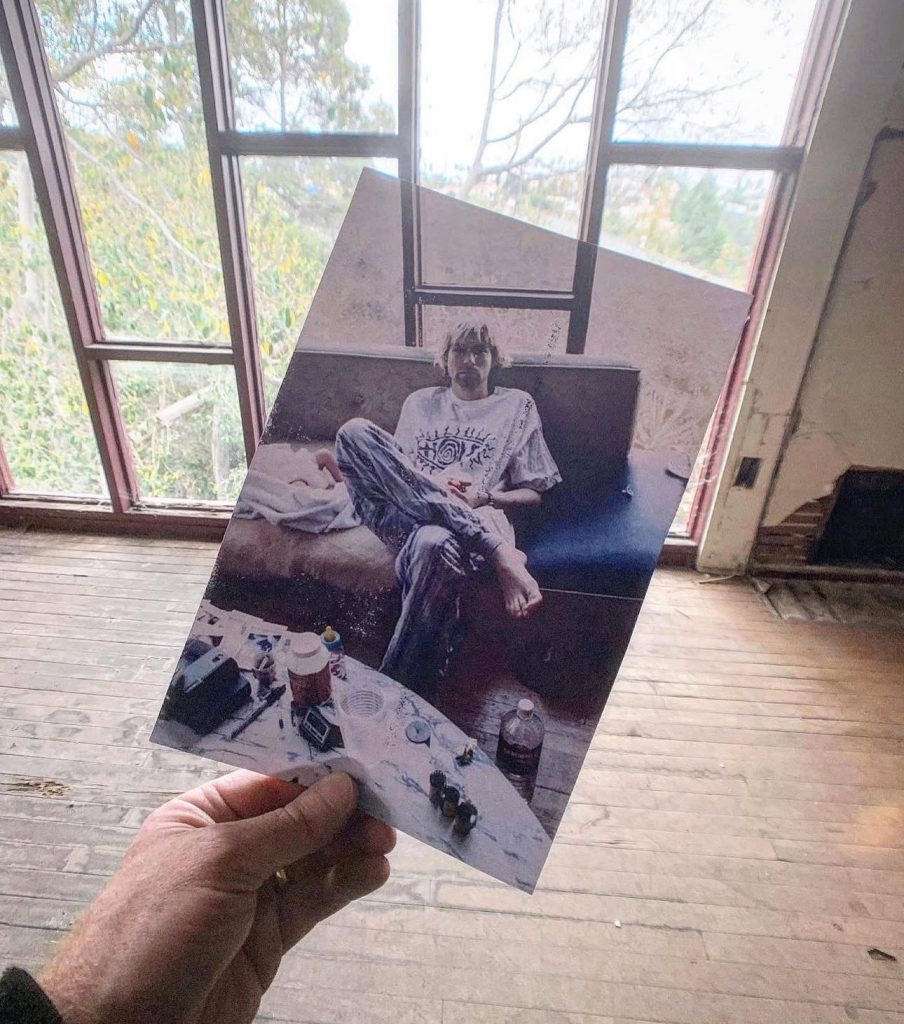
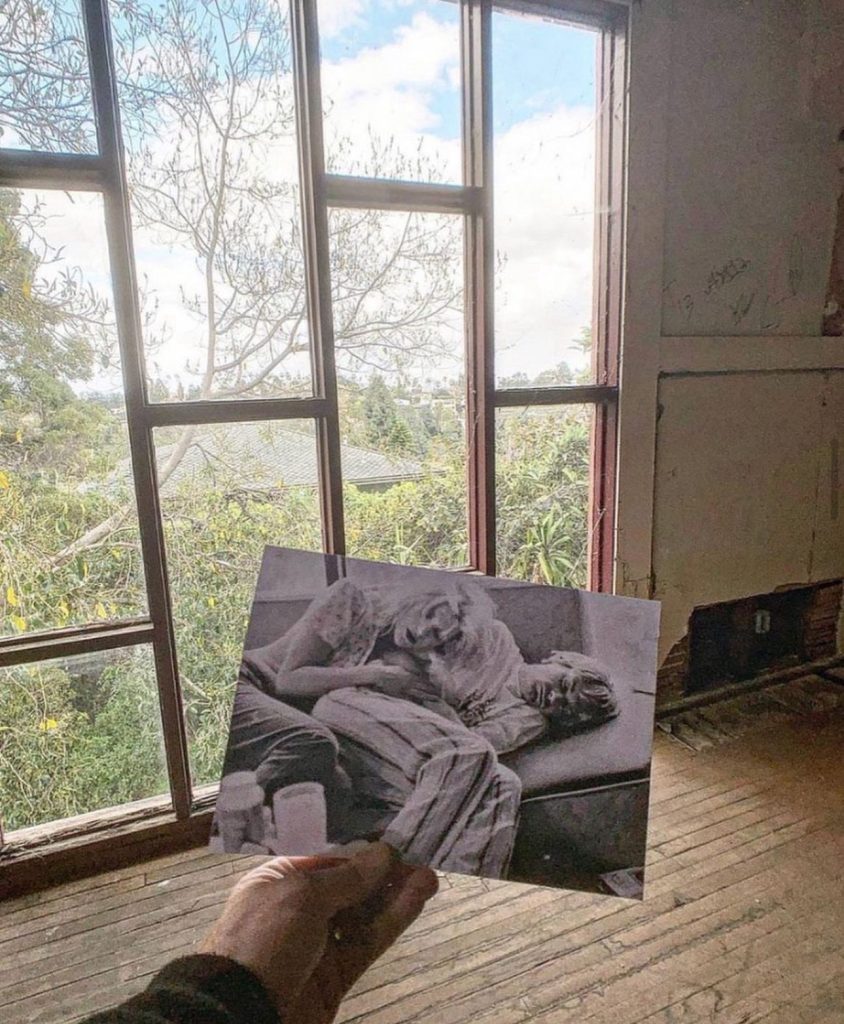
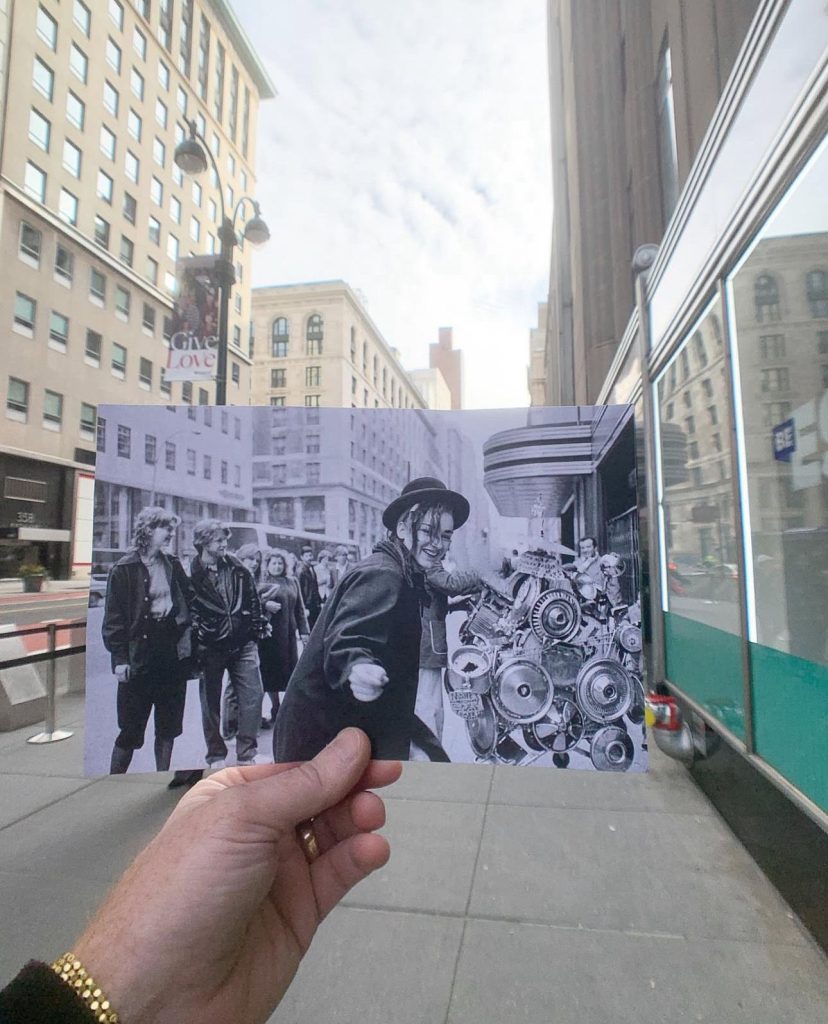
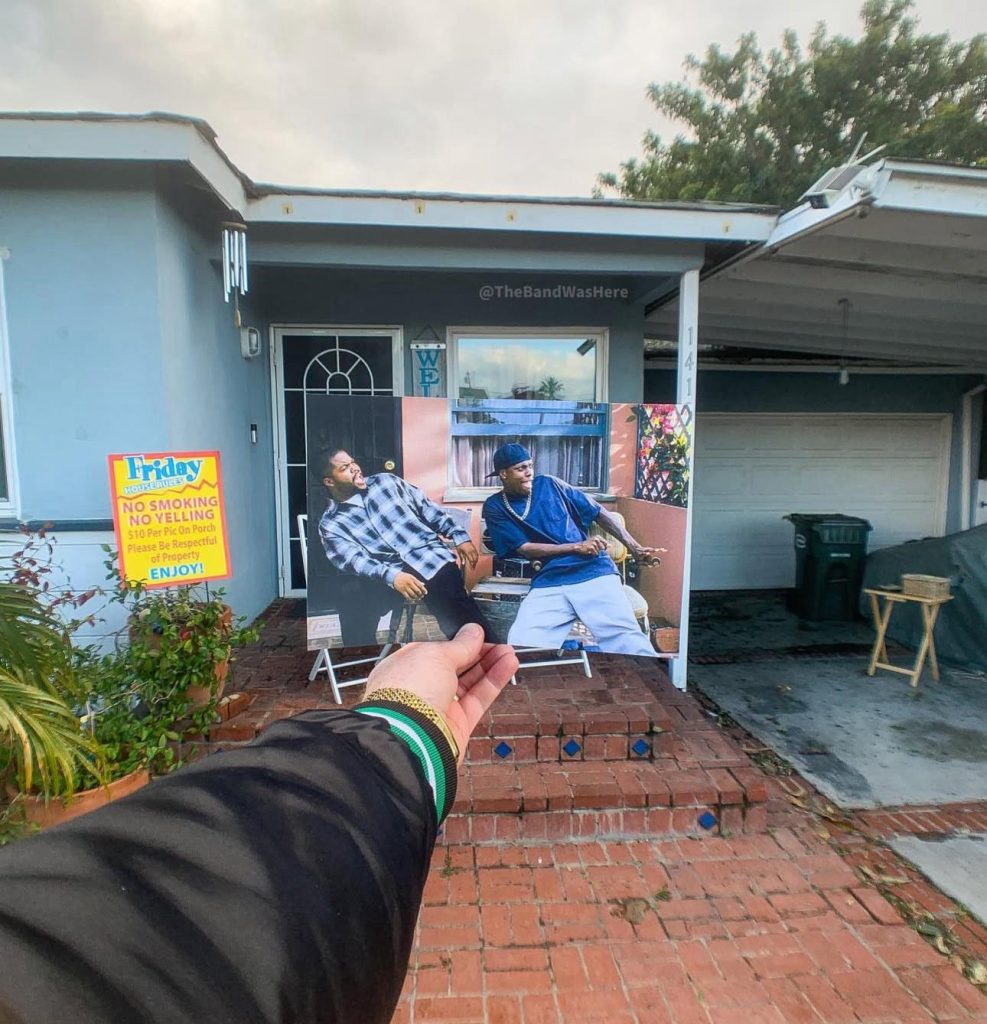
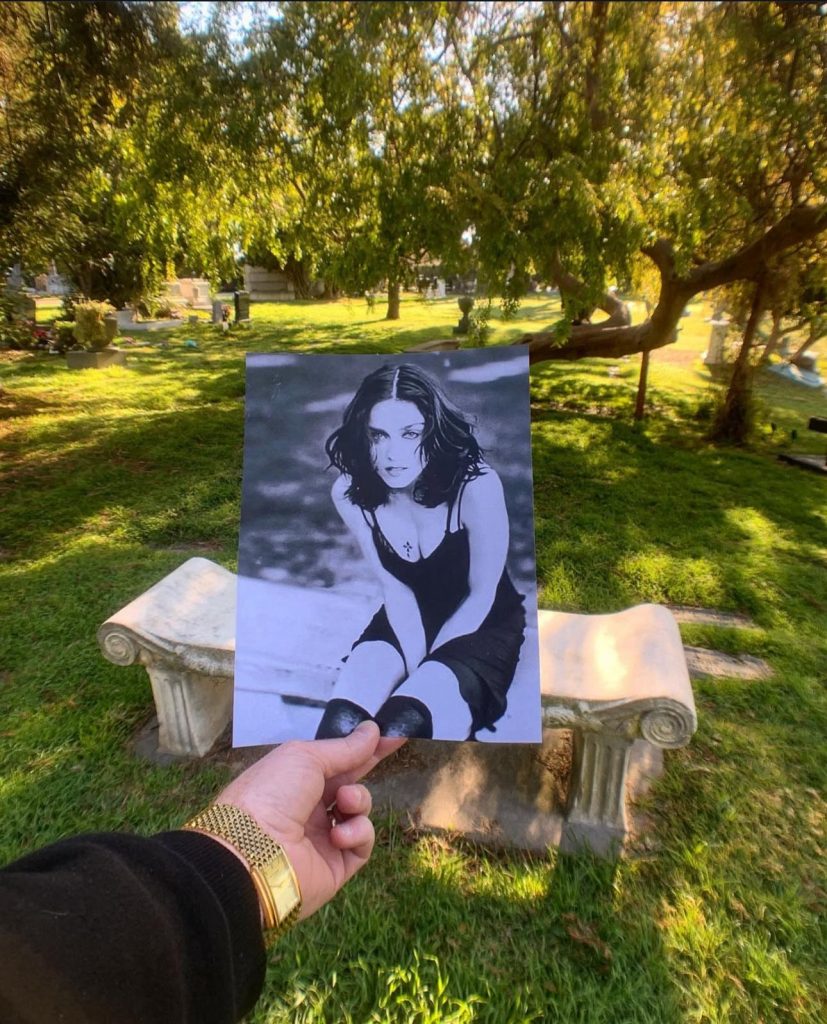
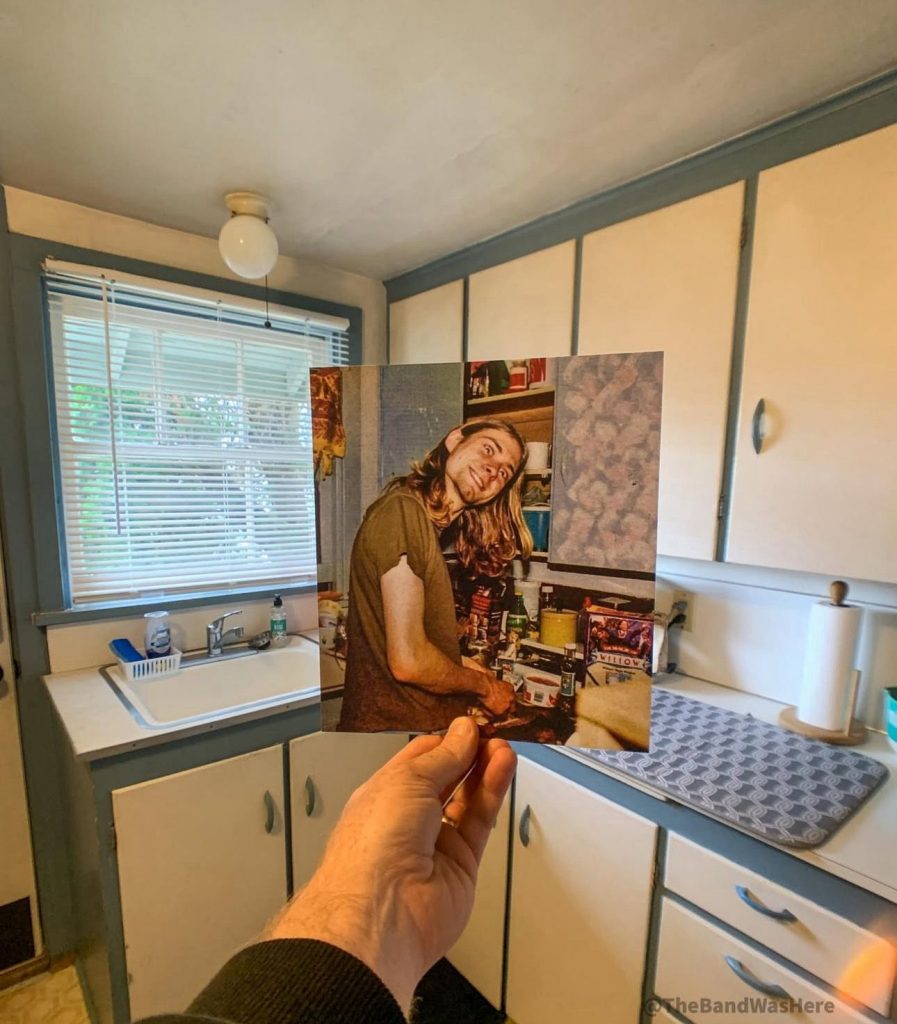
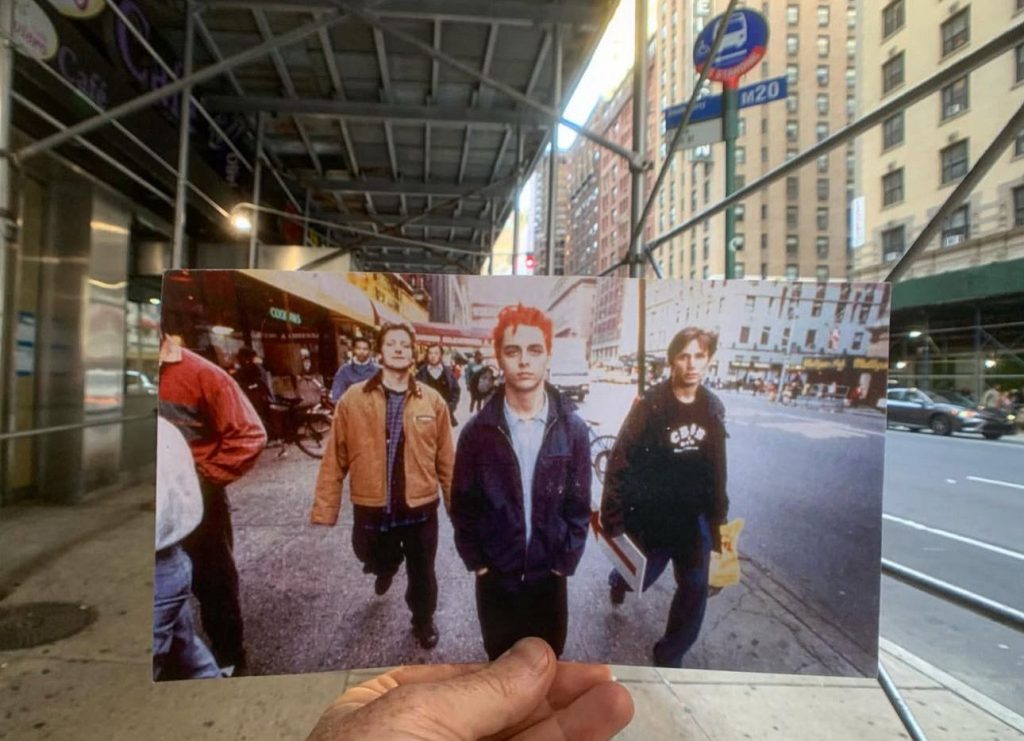
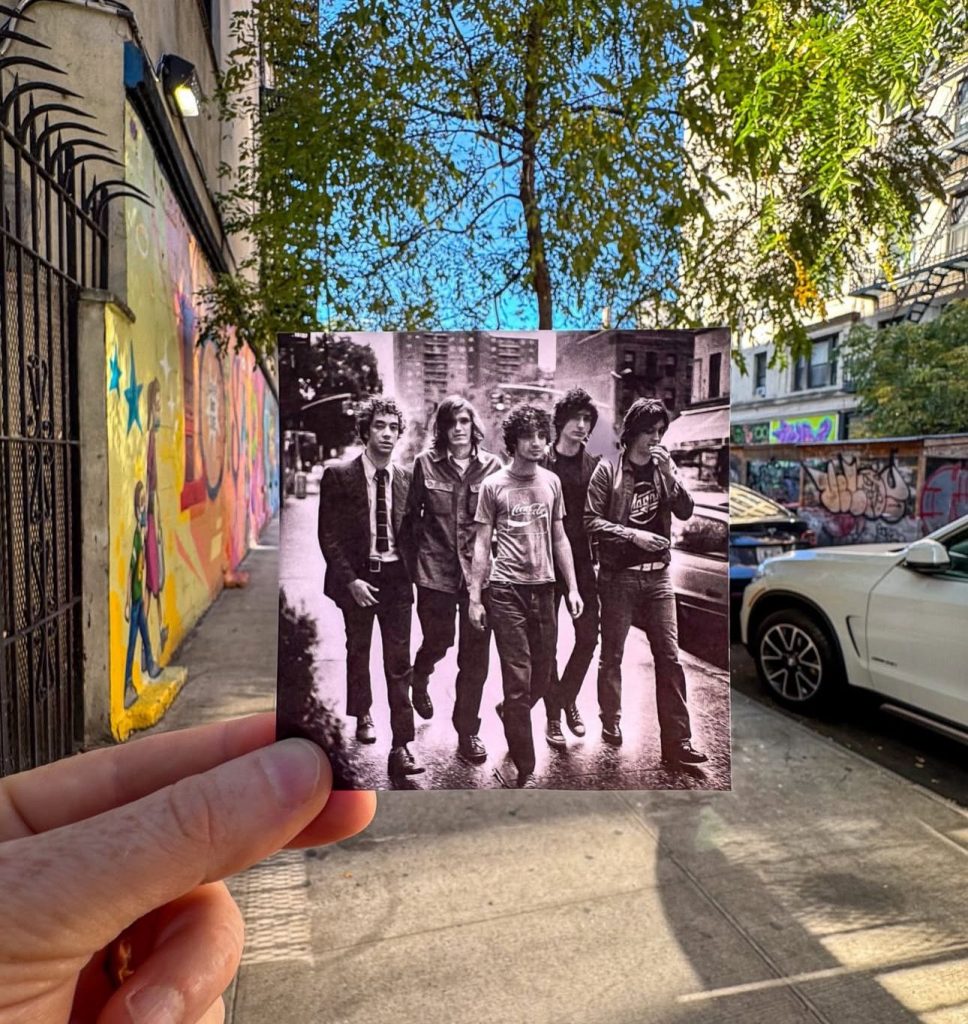
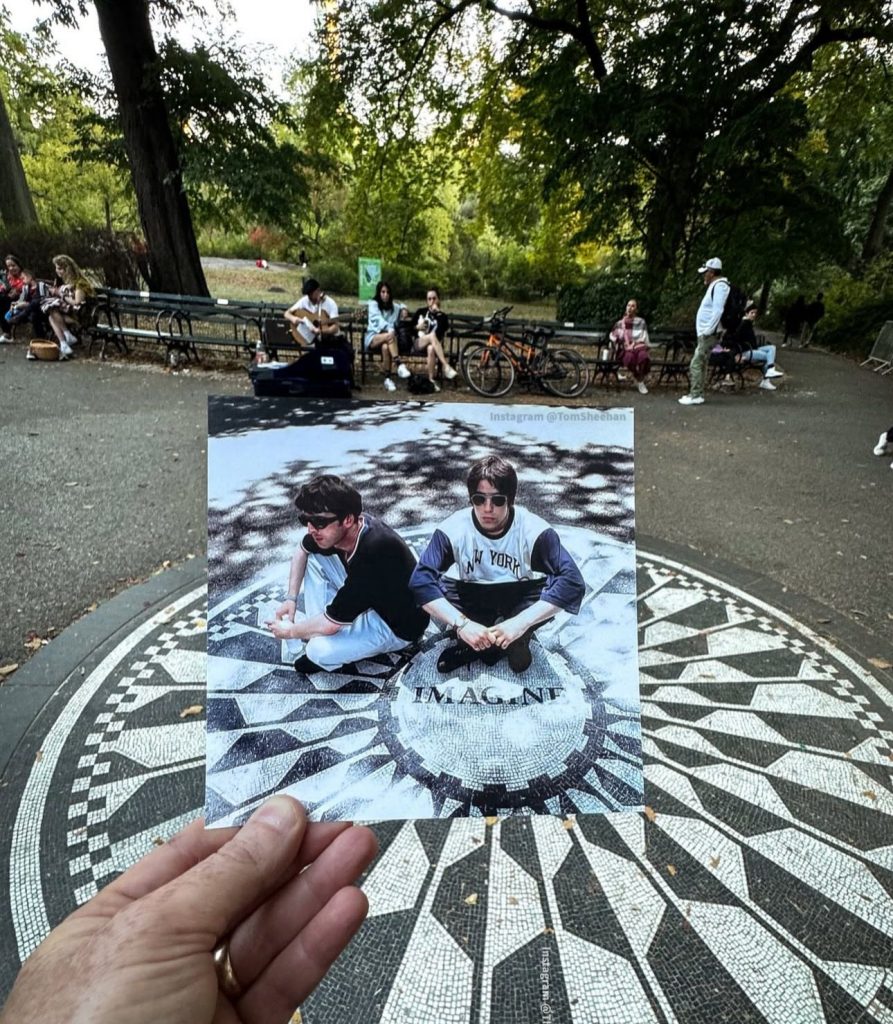
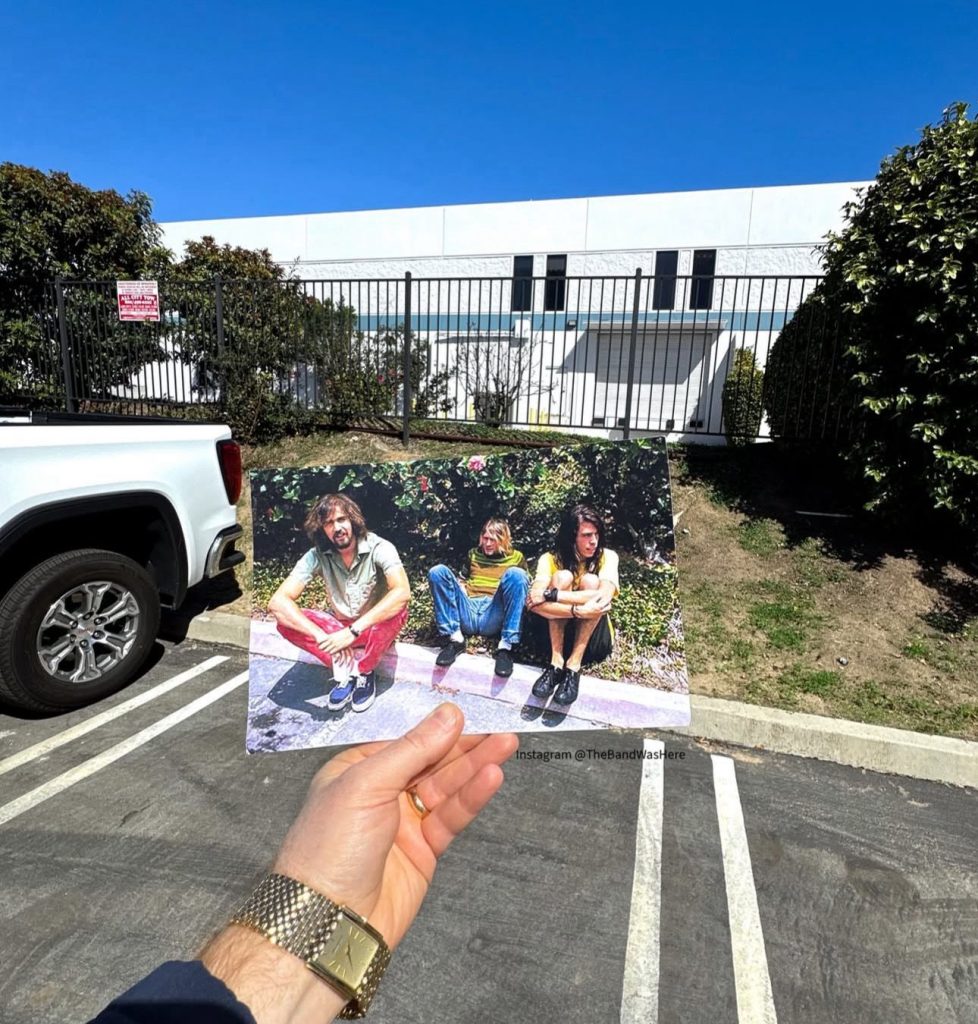
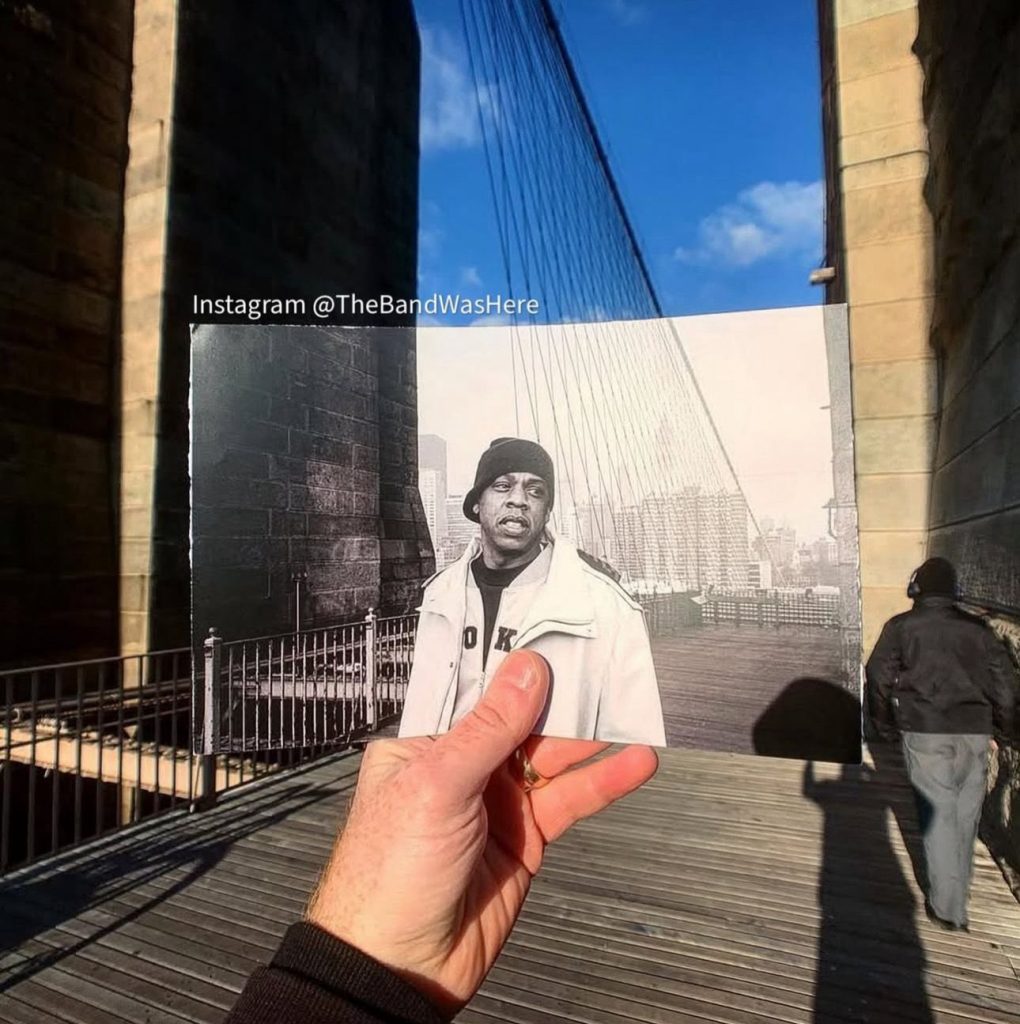
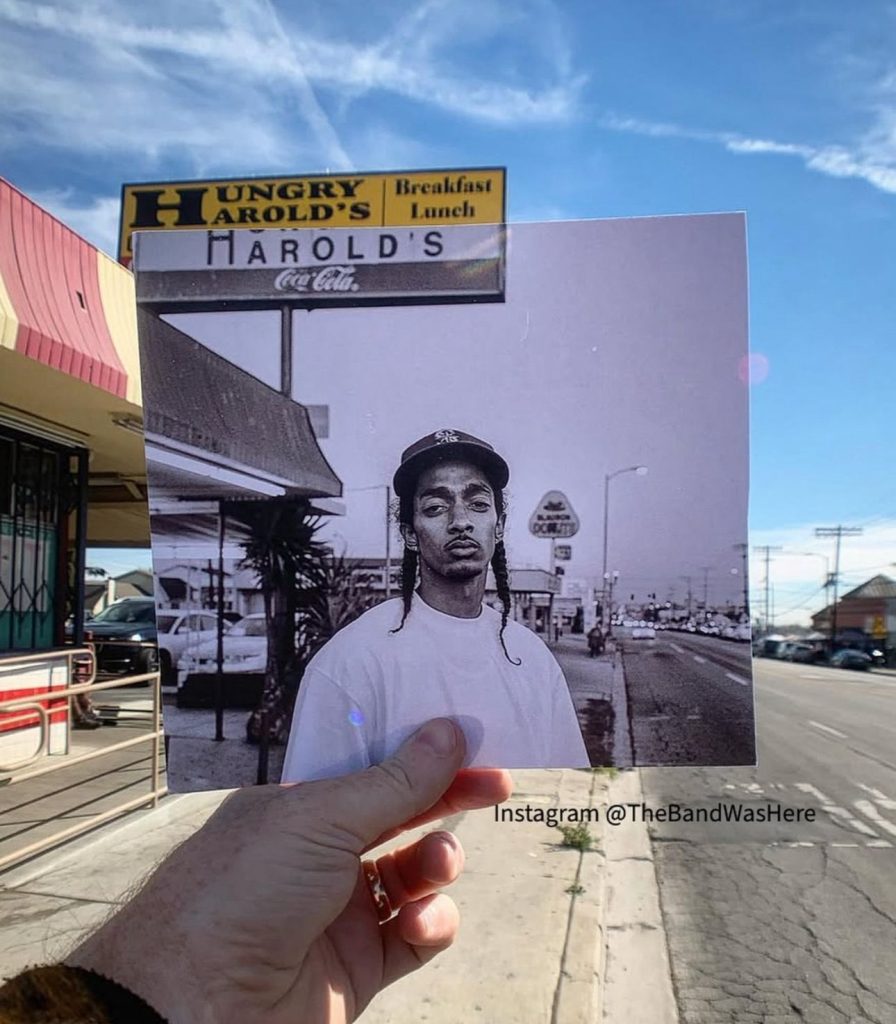
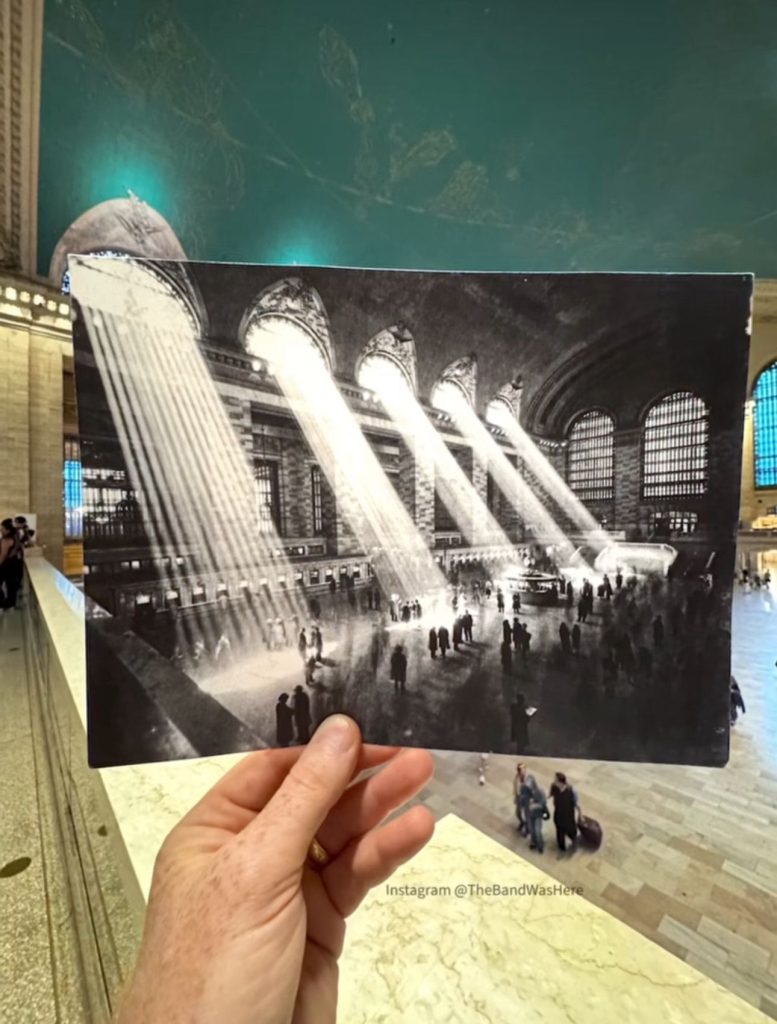
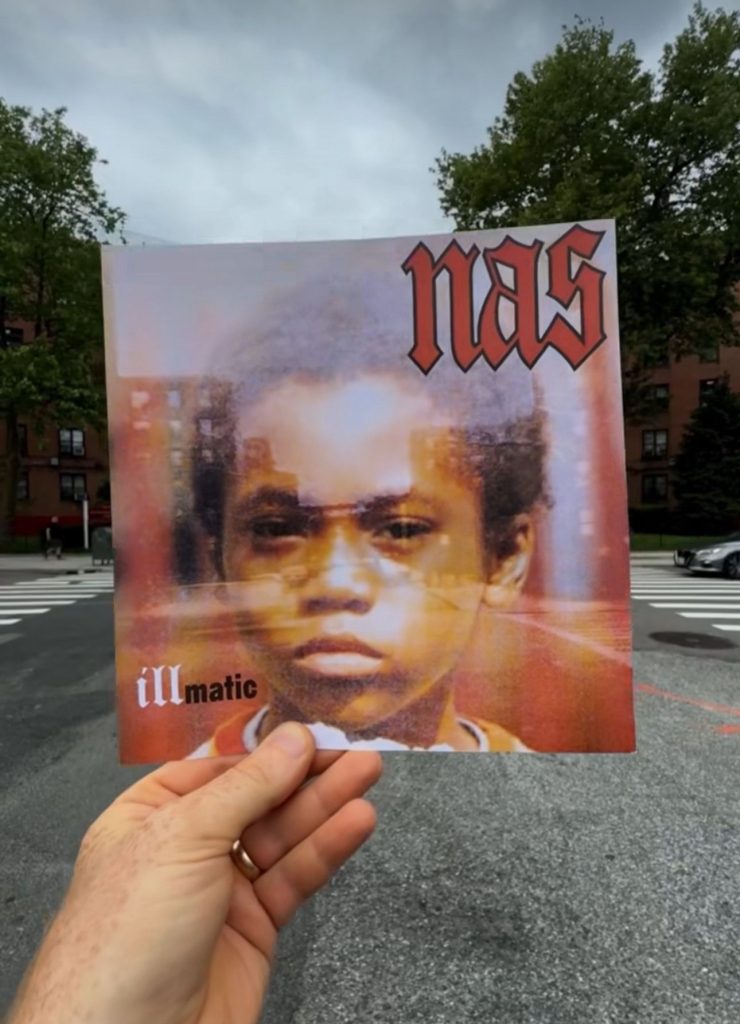
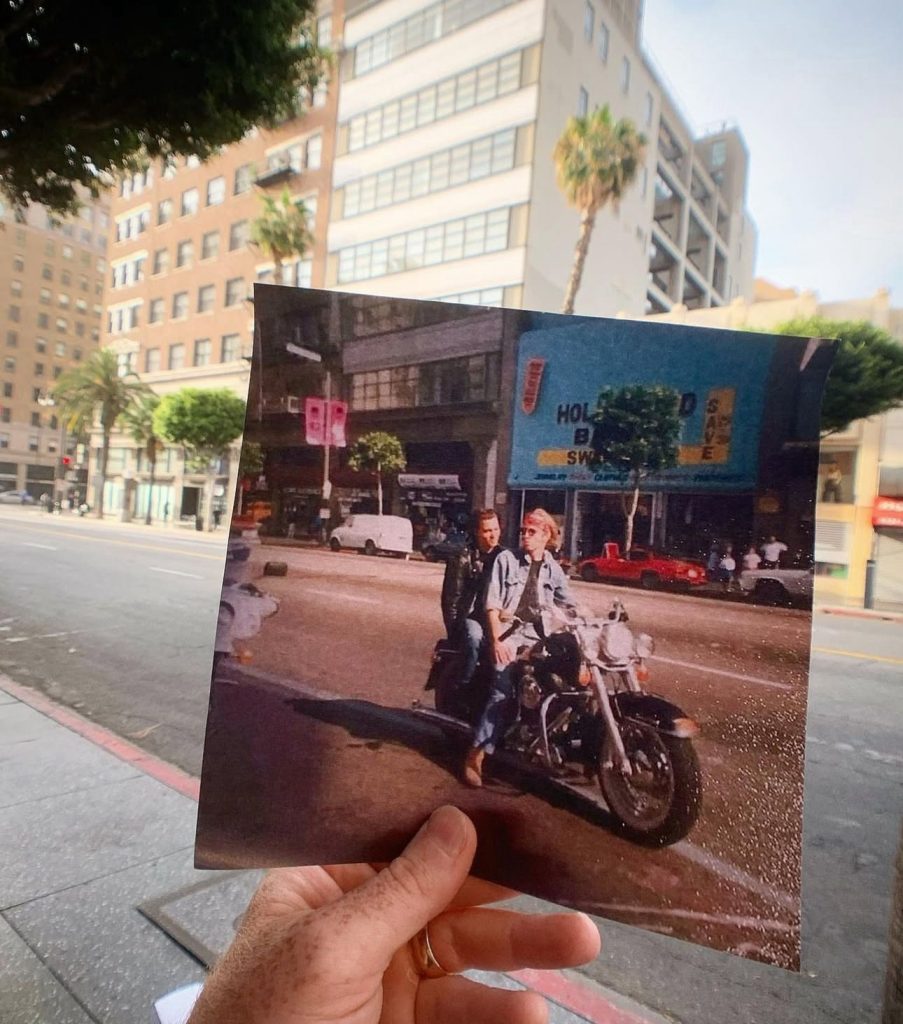
By K Futur LOCALEvery so often, a creative project appears online that stops you mid-scroll. For me, that moment came when I first saw the work of Steve Birnbaum on Instagram. His project, The Band Was Here, is unlike anything I have ever come across. Birnbaum meticulously tracks down the exact locations of iconic music and pop-culture photographs, then recreates them in real time, blending the past with the present in a single frame. The result is a powerful reminder of place, memory, and the fleeting nature of the moments that shaped our cultural landscape.
Birnbaum is based in New York City, and it is the city’s constant evolution that drives much of his work. “You can walk two blocks and locate five iconic images or moments in time that took place there,” he says. That proximity, combined with New York’s ever-shifting skyline, gives his photographs a dynamic tension. As he explains, “People often like comparing the environment from what it used to be to what it looks like now, but when there’s little recognition of how a location used to look because it’s changed so much, people begin to question its authenticity.” His craft depends on that delicate connection between what once was and what remains.
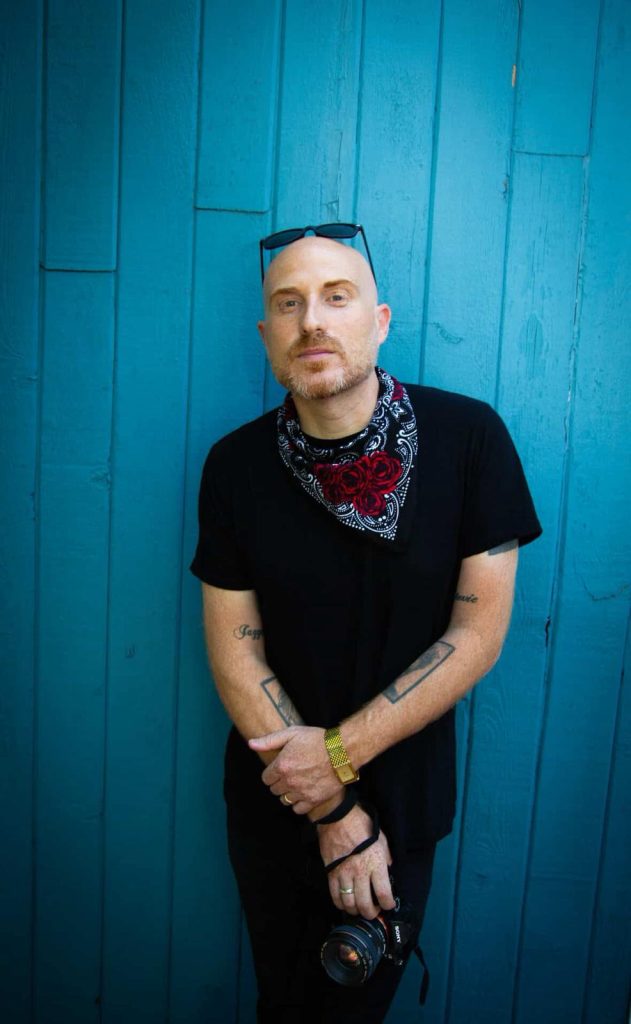
His journey began long before social media made this kind of work instantly shareable. Returning home from college in the early 2000s, Birnbaum found himself digging through family photo albums and recreating old snapshots, purely for fun. He uploaded them to early platforms like Flickr and Shutter, years before Instagram existed. Over time, his focus expanded from personal nostalgia to the wider world of pop culture. In high school, he spent weekends in Red Bank, New Jersey, visiting filming locations from his favourite Kevin Smith films, often videotaping himself standing where the scenes had been shot. “Even now, I still experience the same exhilarating feeling I did then when I visit these locations I’ve tracked down,” he reflects.
Living in New York City only intensified this instinct. As he puts it, “You’re constantly reminded of classic pop culture history that unfolded on the very streets you walk.” For Birnbaum, visiting these sites is as meaningful as any tourist’s pilgrimage to the Statue of Liberty. The difference is that he documents these places with forensic precision, creating images that collapse time and invite viewers to consider the human stories behind famous faces.
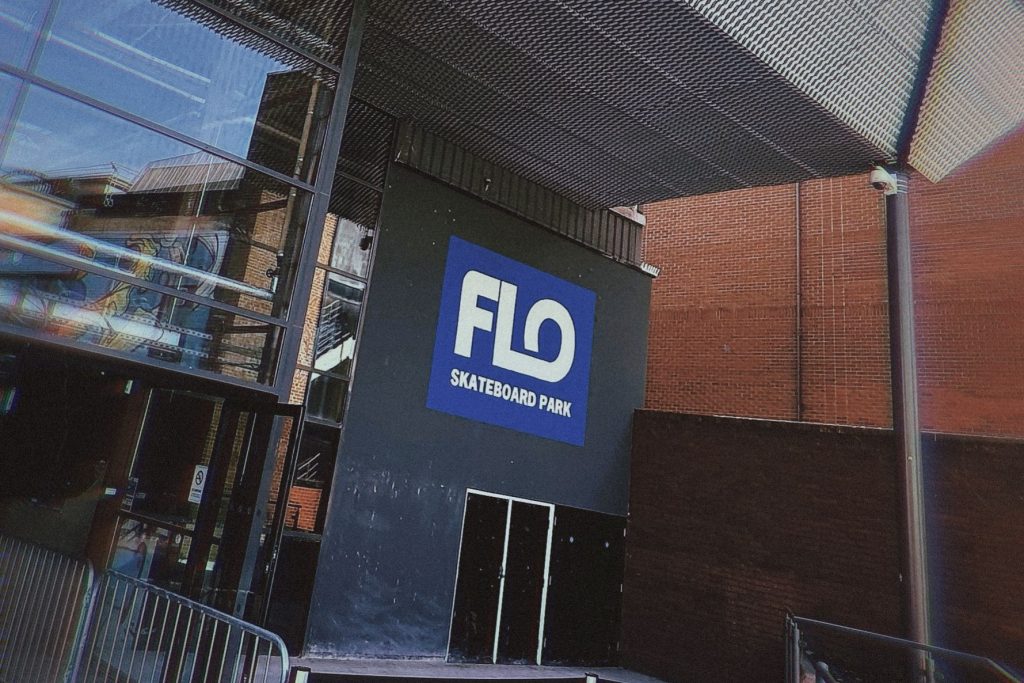
One of his most remarkable moments came when skateboarding legend Tony Hawk stumbled upon one of his recreations. Hawk not only commented on the image but invited Birnbaum to meet up the next time he was in Los Angeles. “Maybe I’ll go hop some fences with you,” Hawk joked. Birnbaum took him up on the offer, and soon found himself recreating photographs of a twelve-year-old Tony Hawk in the exact locations they were originally taken four decades earlier-with Tony himself standing beside him. “I fulfilled a lifelong dream of skating with Tony Hawk,” he says. “The guy couldn’t have been any nicer.”
His work has also led him to unforgettable encounters in the music world. Ian MacKaye of Minor Threat and Fugazi personally welcomed him into the legendary Dischord House, giving him a private tour and later assisting with Birnbaum’s documentary work. These meetings are not simply fan-boy moments. They are extensions of a project built on respect for the musicians, photographers, and cultural movements that shaped entire generations.
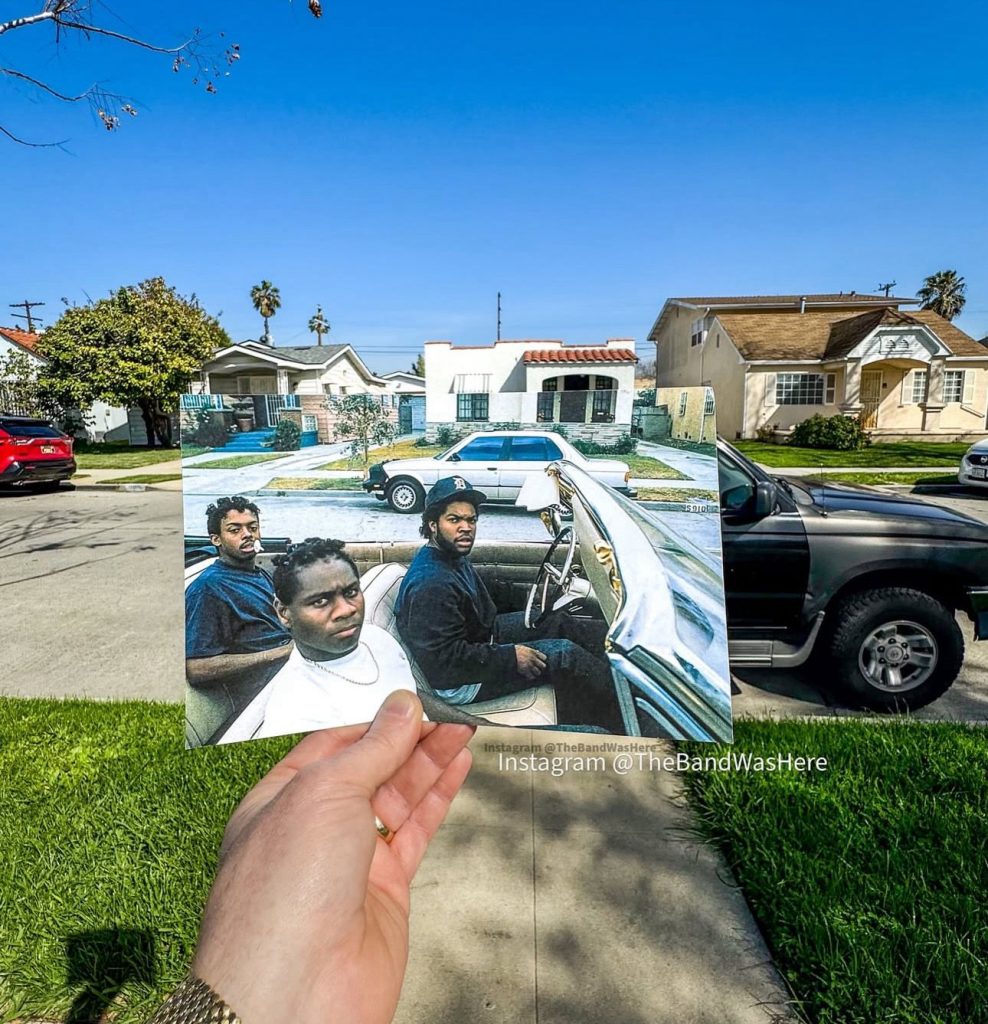
Yet, despite the project’s reach, Birnbaum admits the most challenging part of his journey is time and money. Researching historic photographs, finding precise locations, travelling to them, editing video reels for social media, and keeping up with the demands of algorithms all take their toll. “I invest a significant amount of time and effort, along with money from my own pocket,” he says. His style has evolved as a result, often shaped by the expectations of digital platforms. “Unfortunately, the algorithm has often dictated my approach more than I’d like to admit,” he adds. Despite this, his artistic integrity remains intact, with a clear ambition to move the project “beyond Instagram and into gallery settings, prints, a book, zines, and possibly merchandise.”
Birnbaum’s influences span decades of music, film, pop art, punk, and skate culture. He cites directors such as David Lynch, Tim Burton and Jim Jarmusch, artists like Basquiat, Warhol and KAWS, musicians including Nirvana, Miles Davis, Radiohead and Fugazi, and photographers such as Grant Brittain, Charles Peterson and Vivian Maier. Yet his philosophy is shaped just as much by what he chooses not to emulate. He quotes Robert Altman, who once said that his biggest influences were the things he saw in films and knew he wanted to avoid. Birnbaum connects deeply with that sentiment: “It’s the art that I see that makes me think ‘oh, I can do that too…if not better’.”
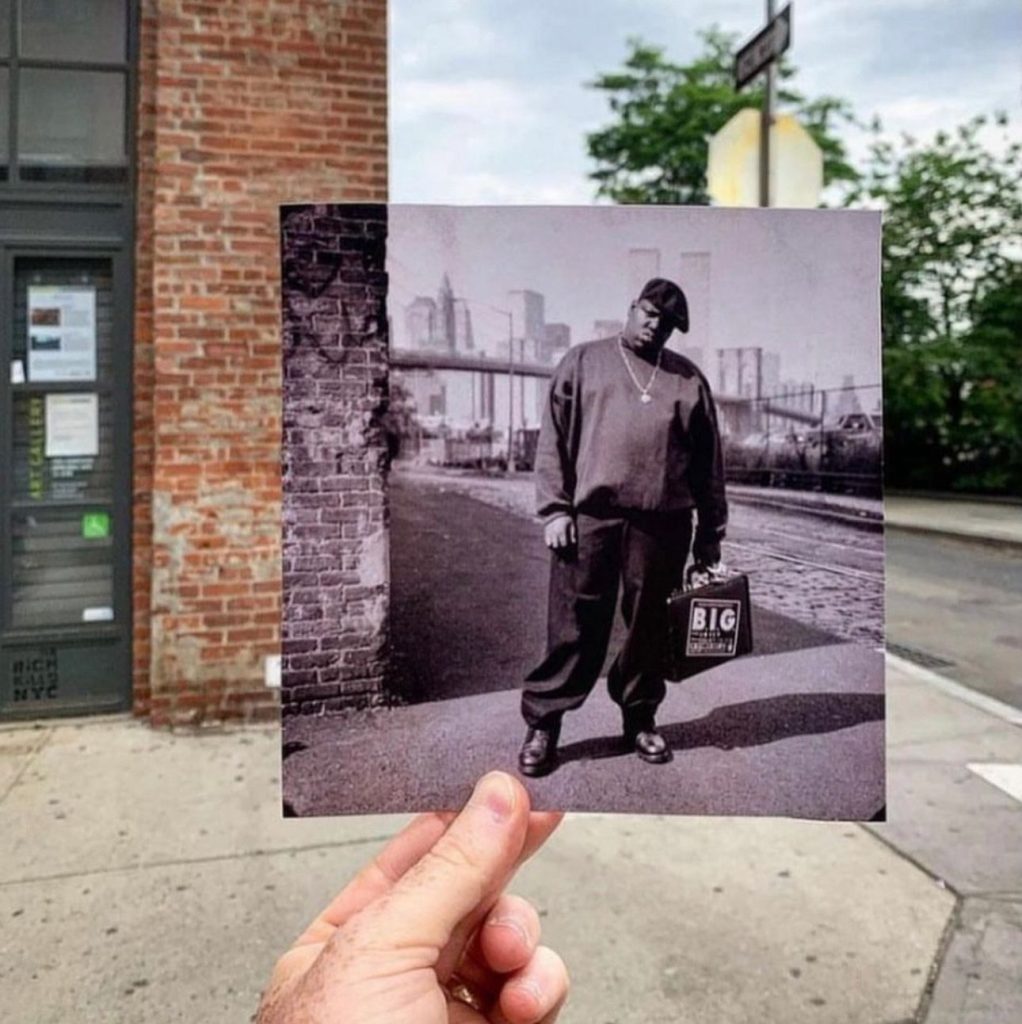
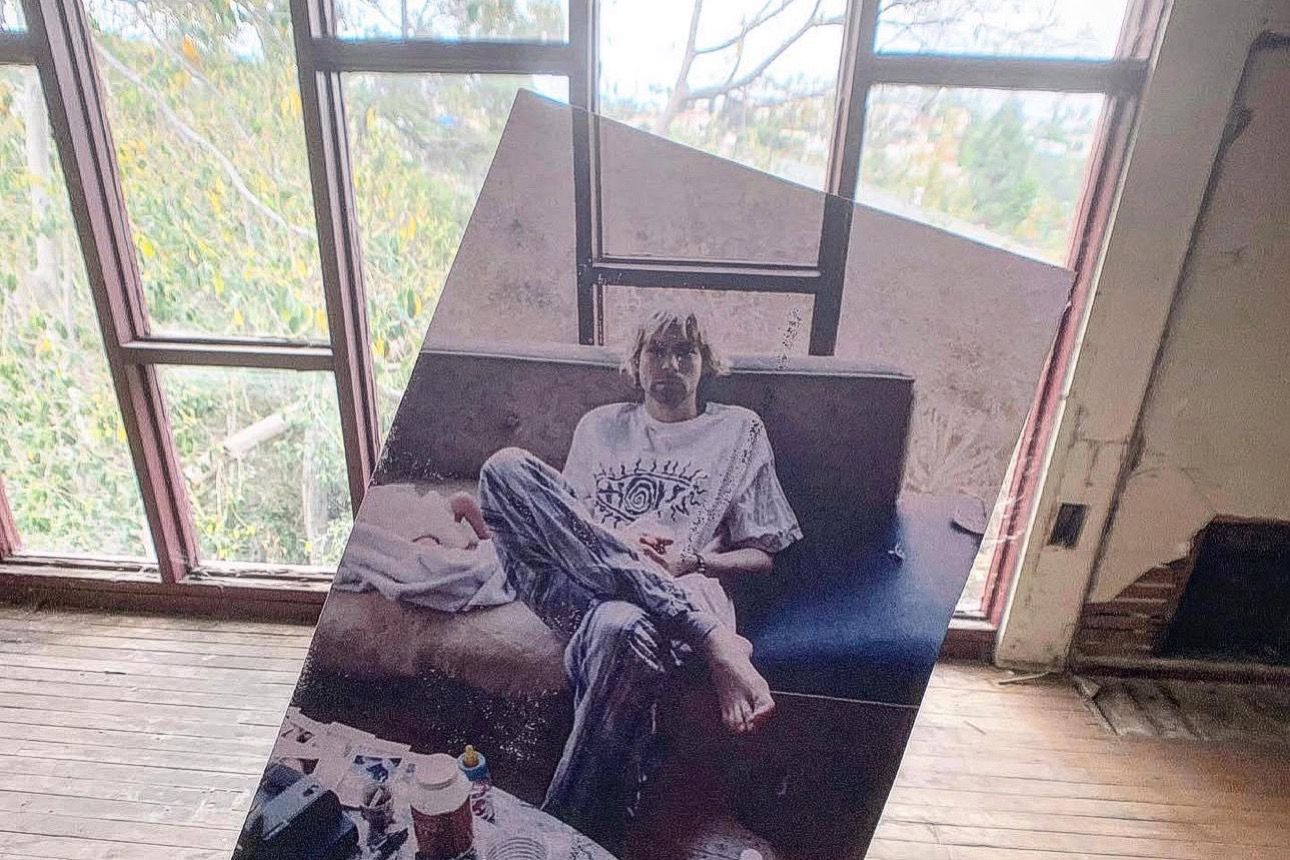
Perhaps the most striking element of Birnbaum’s project is its emotional impact. He describes it as a meditation on time and mortality. “It may sound morbid, but this project ultimately revolves around death-to illustrate the fleeting nature of time,” he says. One of his most intense experiences came when recreating photographs of Kurt Cobain at his LA home. “I was alone, in this run down house with these photos, and all the memories permeating out of the cracks in the walls,” he recalls. “It was palpable.”
That, I think, is what makes his work so powerful. When I first came across his page, I was instantly hooked. Seeing an old photograph perfectly aligned within a modern scene made the past feel urgent and alive. It made me feel closer to the musicians and cultural figures who shaped my life. These people, presented to us for years as icons or even gods, suddenly feel human again. You realise they once stood exactly where that image sits in Birnbaum’s hand, laughing, posing, performing, or simply existing. His photographs collapse decades into a single breath.
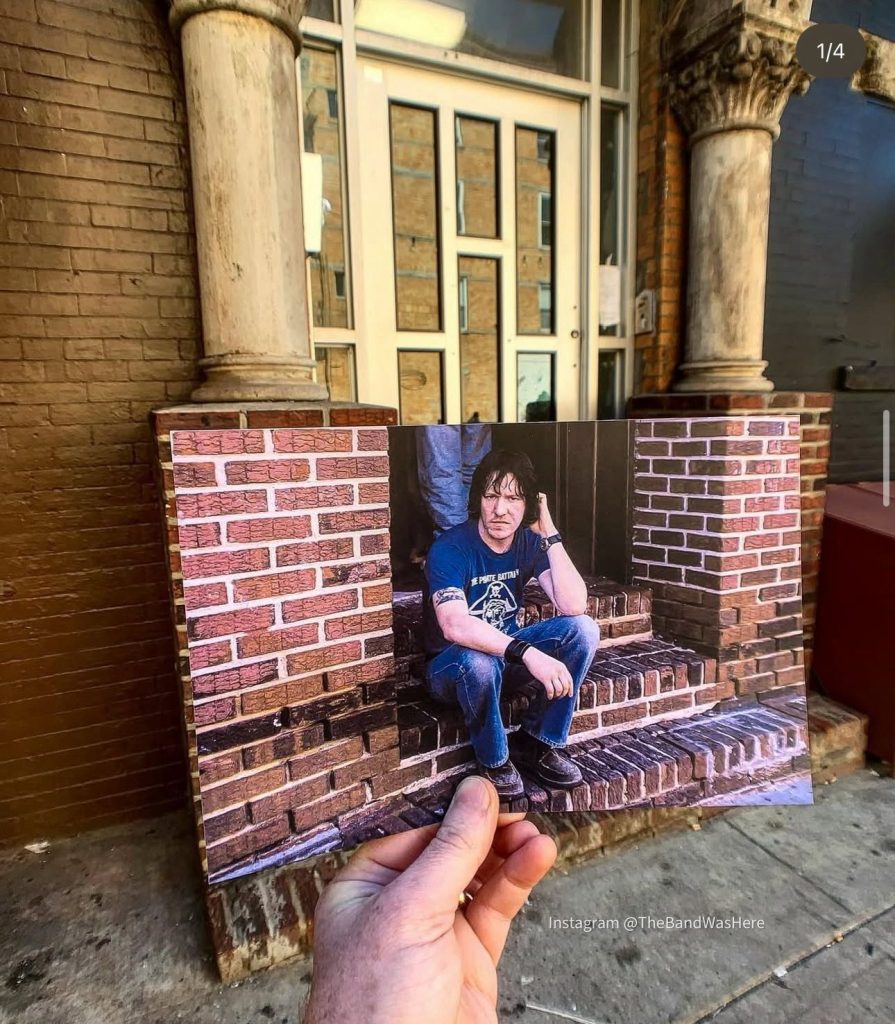
As for what comes next, Birnbaum has just completed a spec documentary episode exploring the history behind the cover image of the 1969 Woodstock soundtrack. He hopes it will lead to further investment and allow him to expand The Band Was Here into a fully realised episodic series. What matters most to him is taking his work off the screen and giving it the physical presence it deserves.
He hopes that people who encounter his work will feel inspired, whether that is to learn more about the musicians he documents or to visit these locations themselves. His own advice to creatives is simple but resonant: “As corny as it sounds, just do it.” Passion, persistence and honesty are at the heart of everything he does. “Deep down I think people know what’s best for what they want to do. They just need to be honest with themselves and have a drive.”
For now, the best place to experience his journey is Instagram, where he shares new recreations, investigations and discoveries under @TheBandWasHere. But if his next chapter unfolds the way he hopes, we may soon be seeing his work on gallery walls, in print, and across new documentary formats. And rightly so. Steve Birnbaum is not only preserving music history. He is breathing life back into it, one location at a time.
artist-interviewarts-and-exhibitionscreative processcultural nostalgiadigital-cultureiconic-momentsInstagram-driven artmusic historyphotographypop-culture