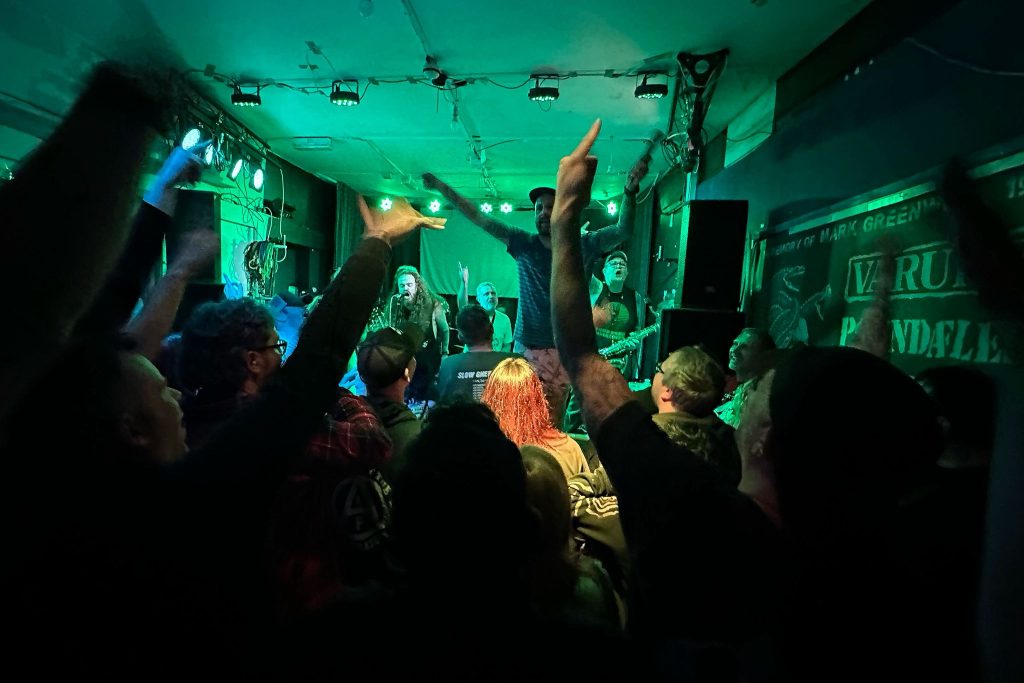
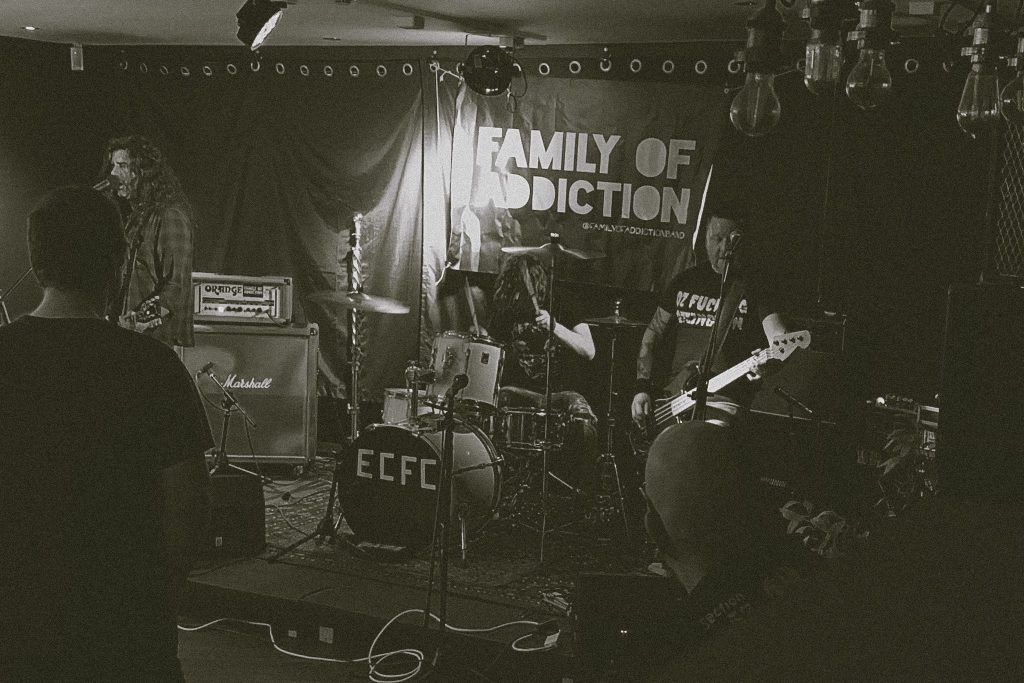
There are loud bands, and then there are bands like Family of Addiction. The kind that don’t just play a…
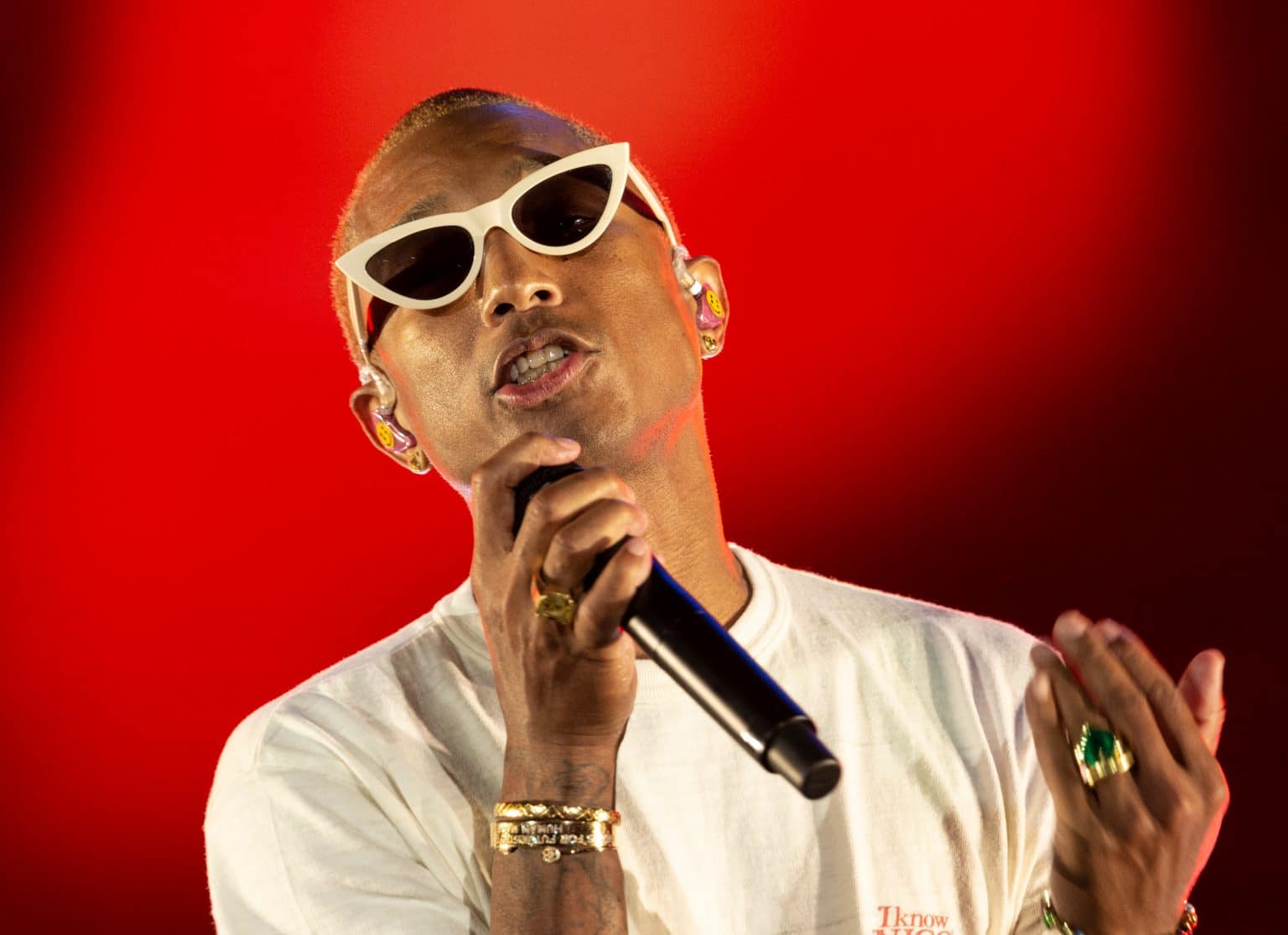
By K Futur LOCALThere are artists who influence culture, and then there is Pharrell Williams – a man who didn’t simply join the cultural conversation but quietly rewrote the entire script. Everything about him feels weightless, ageless, untouchable. He still looks exactly as he did the moment many of us first clocked him in the Lapdance video for N.E.R.D., a visual jolt of sleaze, style and swagger that introduced Pharrell not just as a producer but as a cultural frequency. That same year he floated through Kanye’s Through the Wire video like some future icon hiding in plain sight. We didn’t realise it at the time, but the man we were watching would go on to reroute the very bloodstream of modern culture.
The early noughties were full of debates about who was shaping the sound of the future: Timbaland or Pharrell. And the irony is, the two grew up together in Virginia Beach, went to the same church, hung around the same scene, even formed a chaotic teenage band with Chad Hugo called Surrounded by Idiots. But where Timbaland was a rhythmic futurist, Pharrell became something more slippery and expansive – a cultural architect who blended subcultures, rewrote aesthetics, and had the rare ability to make anything he touched feel instantly, undeniably cool.
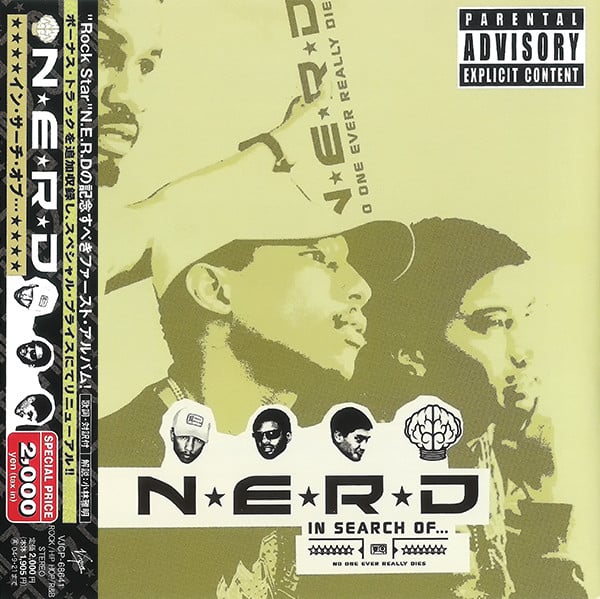
And that started long before the charts were paying attention. Pharrell grew up as the kid who didn’t fit neatly anywhere – “oreo,” classmates called him, because he was Black but hung out with white kids. His grandmother was the first to truly see him, nudging him to take music seriously. He met Chad Hugo at band camp in the seventh grade, bonding over brass lines and off-kilter rhythms. He skateboarded obsessively, earning the nickname Skateboard P, and breathed in the style, rebellion and DIY creativity of skate culture long before it became a global aesthetic.
Then, in a twist that feels almost fictional now, he spent his teenage years getting fired from McDonald’s – three times – including once for eating too many nuggets. Of course he would later help create the brand’s most iconic tagline, I’m lovin’ it. Even his failures foreshadowed his future wins.
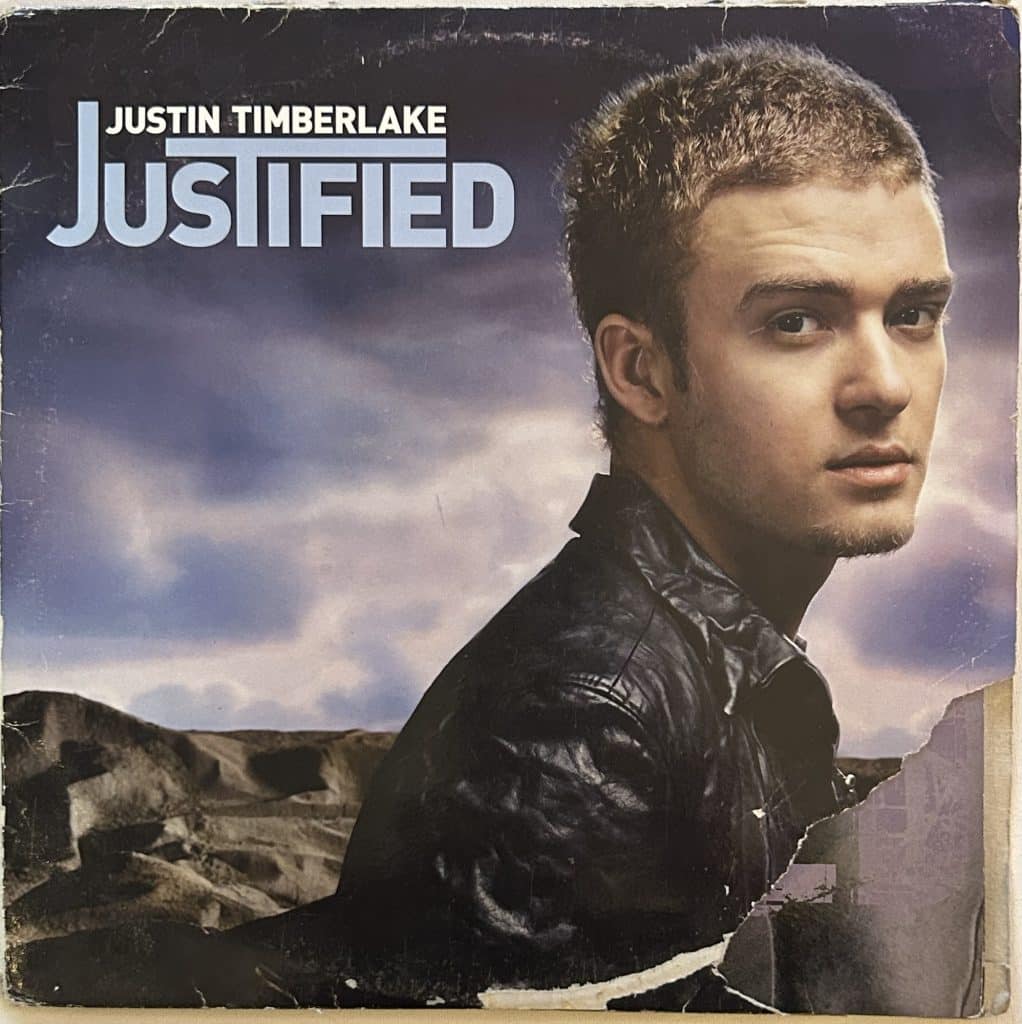
But the world didn’t truly adjust to Pharrell until The Neptunes arrived – minimalism-drenched, rhythm-first, futuristic production that didn’t sound like anything else on the radio. And then, suddenly, it was the radio. By 2003, The Neptunes were responsible for 43% of all songs played on U.S. stations – an absolutely absurd statistic that still feels unreal. Jay-Z, Kelis, Britney, Busta Rhymes, Clipse, Nelly, Gwen Stefani – every corner of the mainstream was shaped, bent and polished by Pharrell and Chad. Even Justin Timberlake’s entire adult reinvention on Justified came from tracks originally intended for Michael Jackson. Pharrell didn’t just give artists hits. He handed them identities.
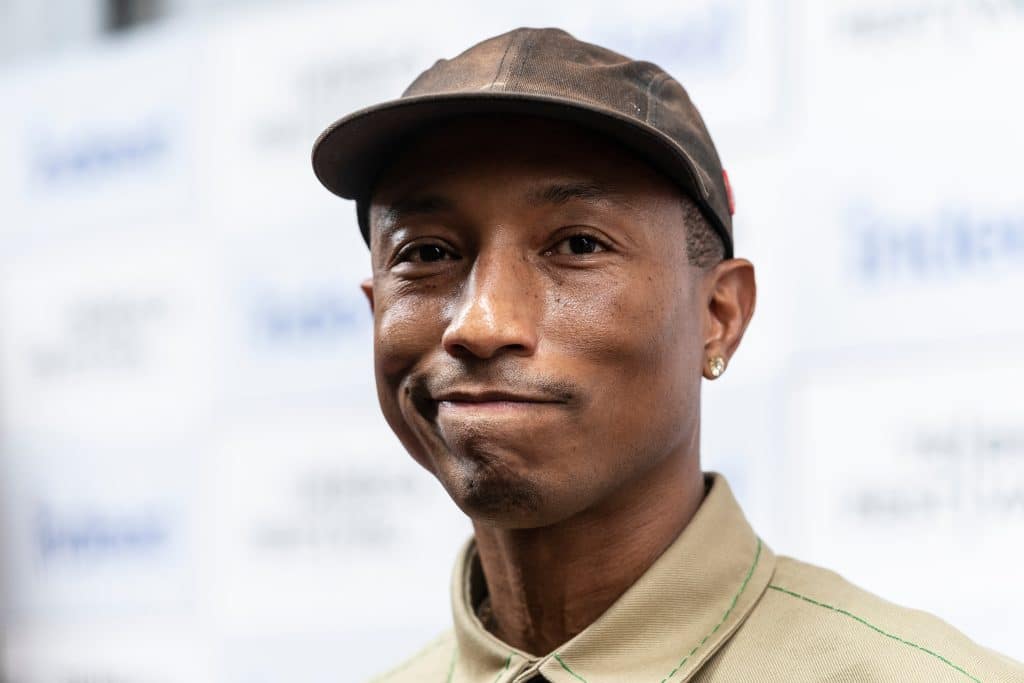
His chemistry with Snoop Dogg remains one of the great cultural crossovers. Tracks like Beautiful, Let’s Get Blown, and the seismic Drop It Like It’s Hot didn’t just dominate the charts – they reorganised the sonic DNA of hip-hop. Pharrell proved that whispery minimalism could hit harder than bombastic production. He created cold swagger. Negative space became the flex. Suddenly every producer wanted to sound like The Neptunes – and none of them really could.
But if the Neptunes sound redesigned music, N.E.R.D. redesigned attitude. They took rap, punk, funk, skate culture, sex, politics and suburban angst and fused them into something entirely new. And Lapdance – grimy, futuristic, politically venomous – felt like a rupture point. Pharrell wasn’t just shaping culture anymore; he was performing it. He wasn’t a behind-the-scenes genius. He was the blueprint.
And this is where Pharrell’s influence becomes generational.
Without Pharrell, there is no Odd Future.
No Tyler, The Creator.
No pastel-hued skate-rap surrealism turned mainstream phenomenon.
Odd Future didn’t invent their world from scratch – they evolved out of Pharrell’s. The Vans, the skateboards, the chaotic energy, the rebellious sweetness, the mix of hardcore and cartoonish visuals – Pharrell normalised that aesthetic long before the rest of the world had language for it. Tyler has admitted again and again that Pharrell was his north star. Listen to early Tyler. Look at early OFWGKTA merch. Watch those early videos. It’s Pharrell’s world, inherited and amplified.
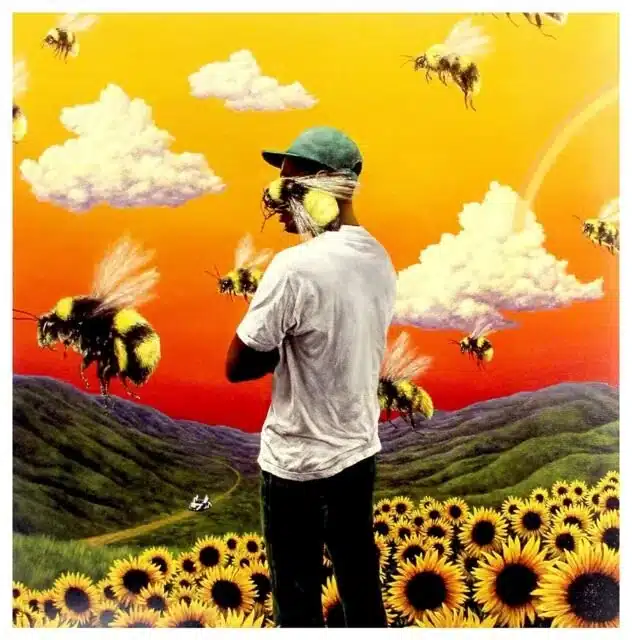
Pharrell made it safe to be weird, colourful, arty, genre-less and still cool.
He made skating part of hip-hop.
He moved alternative Black culture into the mainstream without ever pandering to it.
And while all this was happening, he was quietly building a fashion revolution with Nigo: Billionaire Boys Club and Ice Cream, the early streetwear brands that later generations worshipped. Before every rapper had a clothing line, Pharrell had already merged Japanese streetwear, skate culture and hip-hop aesthetics into something the luxury world would spend the next 20 years desperately trying to imitate.
So when Louis Vuitton finally appointed him Creative Director of menswear – the first Black man ever given the role – it wasn’t a surprise. It was overdue. Pharrell didn’t join luxury fashion. Luxury fashion finally aligned itself with him.
His first show didn’t look like a runway; it looked like culture exploding in real time. Golden bridges, gospel choirs, orchestras, pixelated monograms, Damoflage prints, supermodels and street kids occupying the same visual universe. He even reshaped Louis Vuitton’s Instagram into a skate-infused lens of colour, movement and youth – blending Paris fashion heritage with Pharrell’s lifelong Skateboard P DNA. High fashion hadn’t seen anything like it, because no one else would dare to do it.
Pharrell wasn’t channeling Vuitton.
Vuitton was channeling Pharrell.
And this is his magic. He reinvents himself constantly – tattoos removed, silhouettes changed, sounds updated – yet he never loses his centre. Maybe it’s the synesthesia, that rare condition where he sees colours when he hears music. Maybe it’s his outsider childhood. Maybe he really is from the future. Whatever the truth is, Pharrell Williams remains the closest thing modern culture has to a living cheat code.
Music sounds like him.
Streetwear looks like him.
Luxury brands chase him.
Skate culture owes him.
Alternative rap grew from him.
Pop stars depend on him.
Whole generations mimic him without even knowing it.
Pharrell didn’t just ride the zeitgeist.
He designed the zeitgeist and handed it to the rest of us.
And decades into his career, still looking impossibly youthful, still ahead of everyone else, the question isn’t whether Pharrell has more to give.
It’s whether we’ll ever catch up.
fashion-culturefashion-editorialship-hoppop-cultureproducer-spotlight