There are loud bands, and then there are bands like Family of Addiction. The kind that don’t just play a…
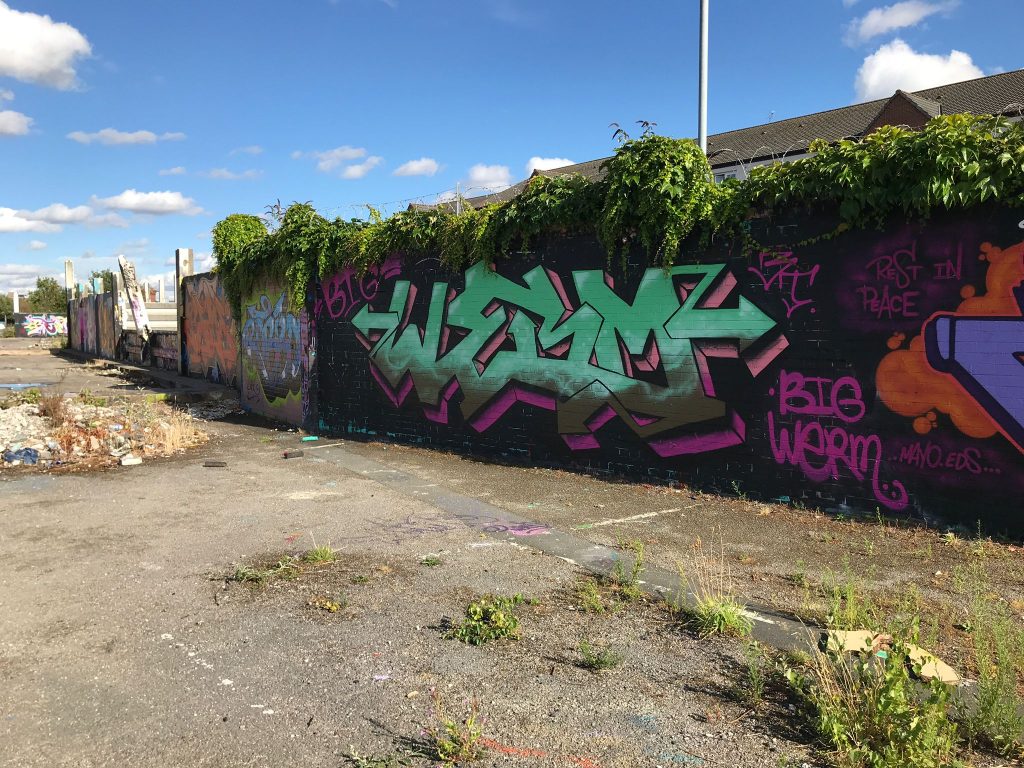
By K Futur LOCALFor a brief but unforgettable period in Derby’s long and complicated history, Friar Gate Goods Yard and the bonded warehouse were transformed into something entirely unexpected. Not a development site. Not a forgotten danger zone. But a living, breathing, constantly evolving outdoor gallery of street art and graffiti.
It was temporary. It was unofficial. And it was special.
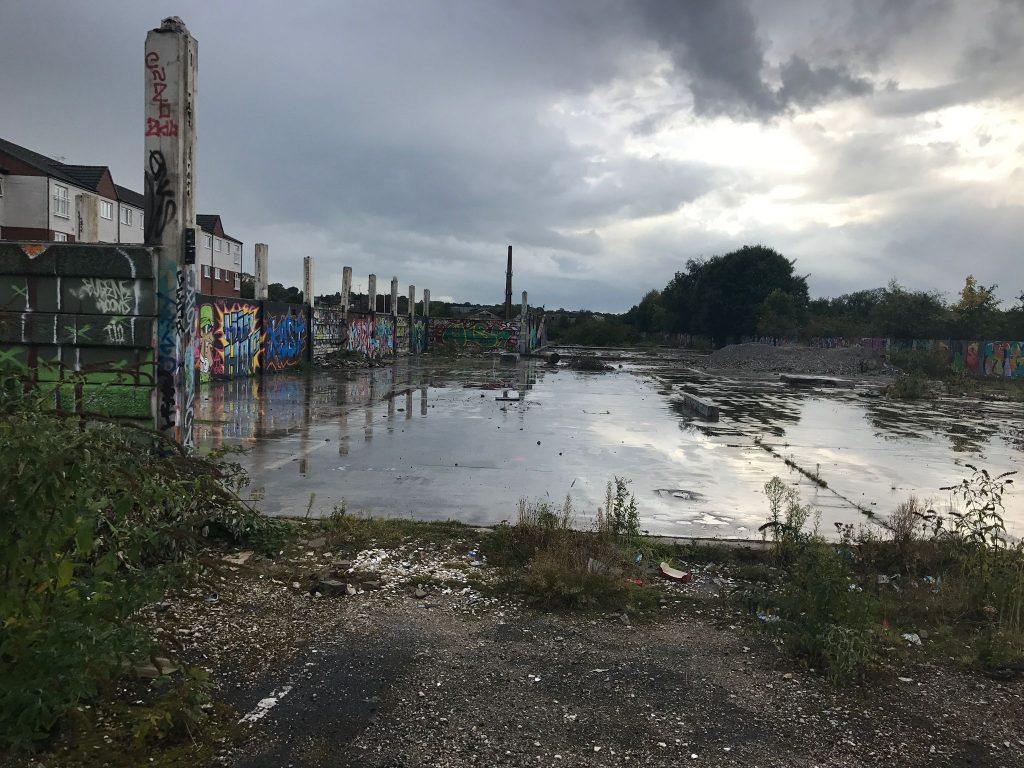
Before the regeneration plans, before the Cathedral School, before cafés, gyms and family homes were promised, this stretch of land existed in a strange in-between state. It had already lived several lives, and for a while, it became something new again-a hub for local creatives, a place of colour, conversation and undeniable talent, tucked away behind concrete walls just off Great Northern Road.
This is a throwback to that time. A moment that has already vanished, but still matters.
A Yard Built for Industry, Left to Decay
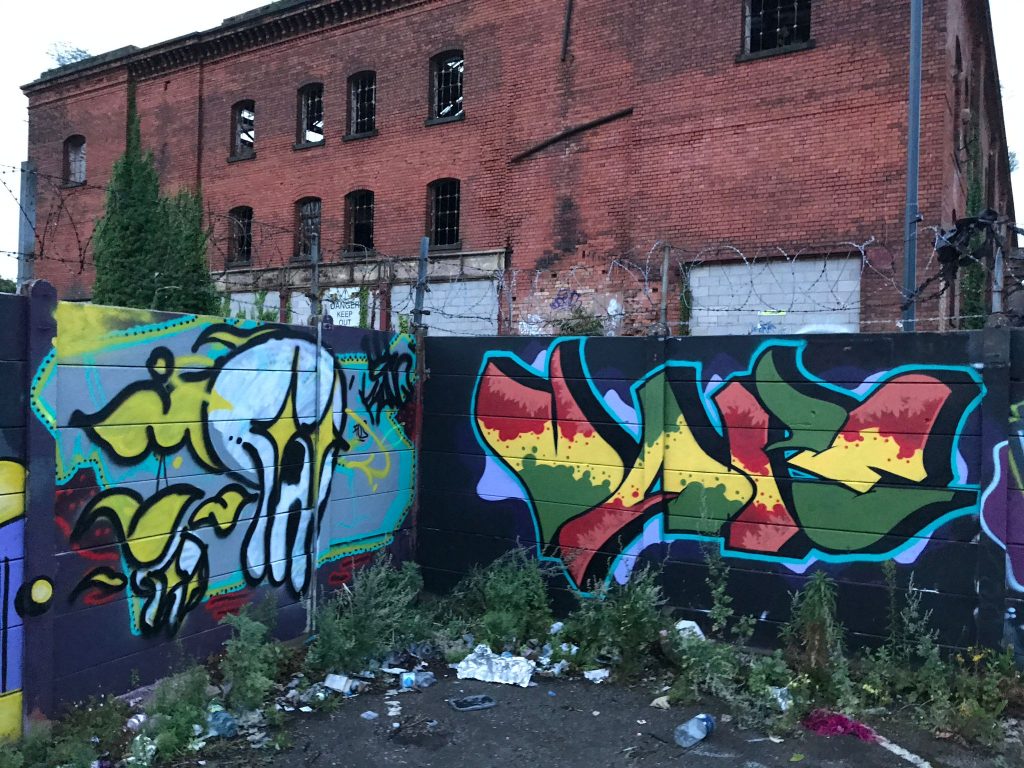
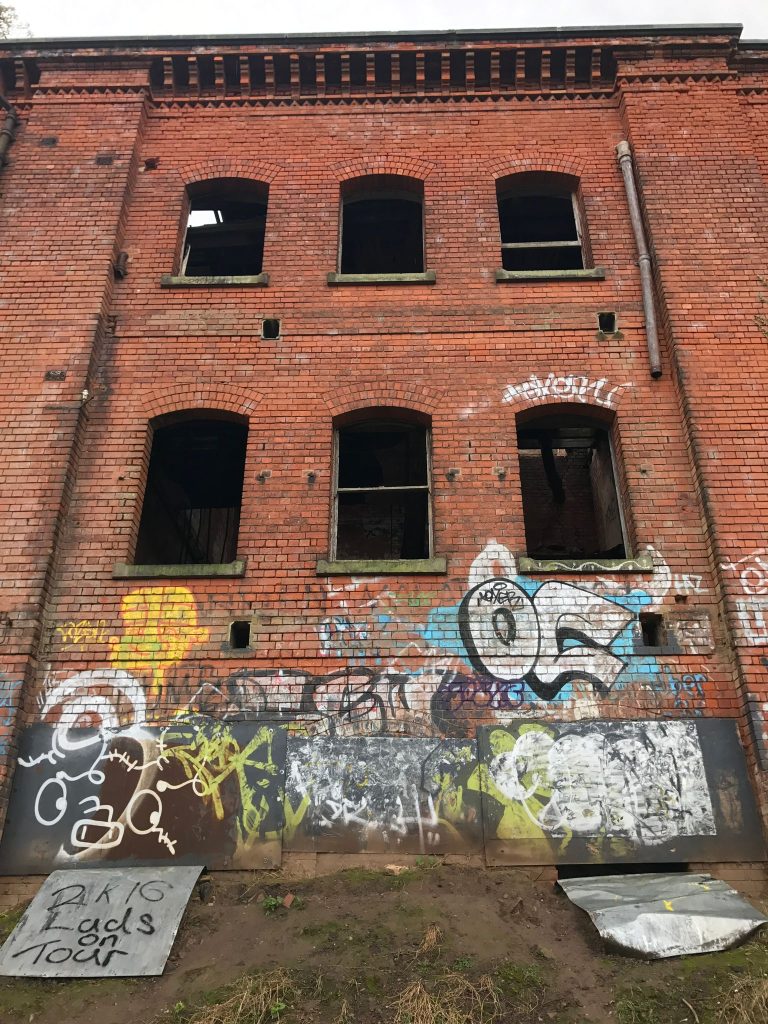
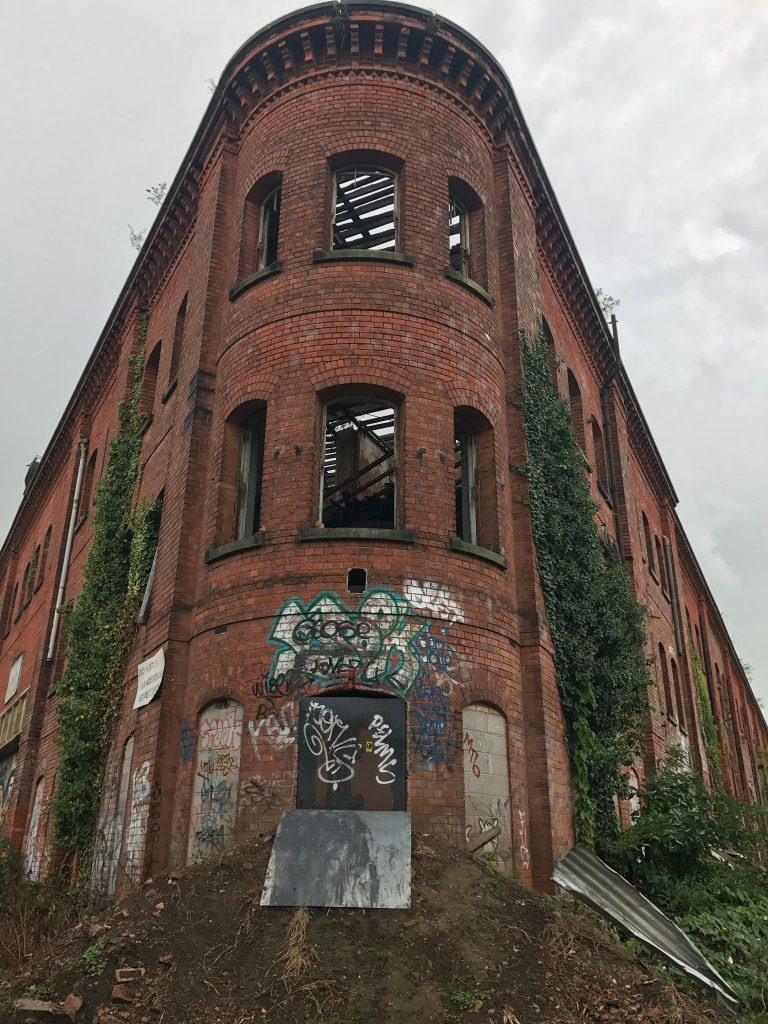
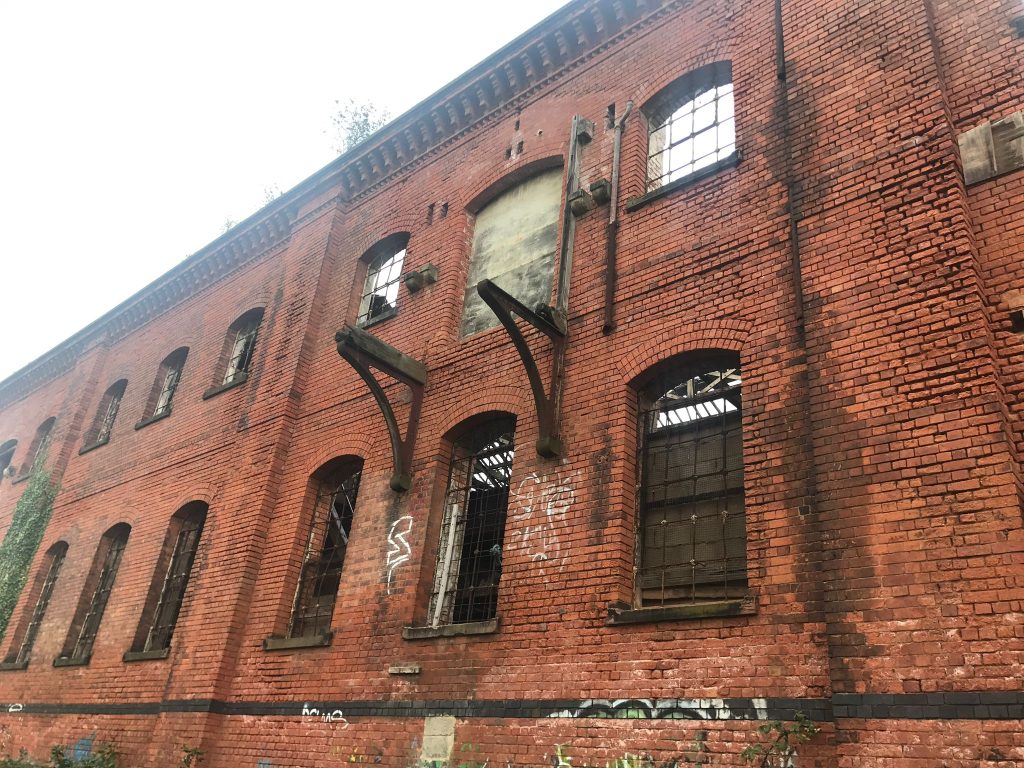
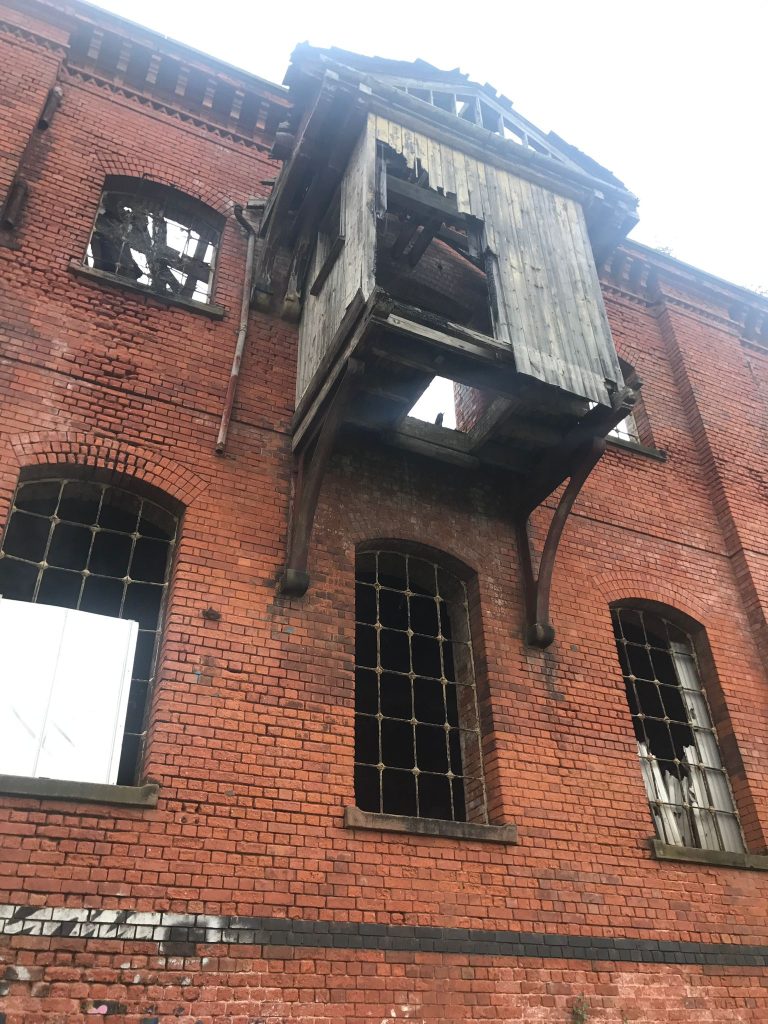
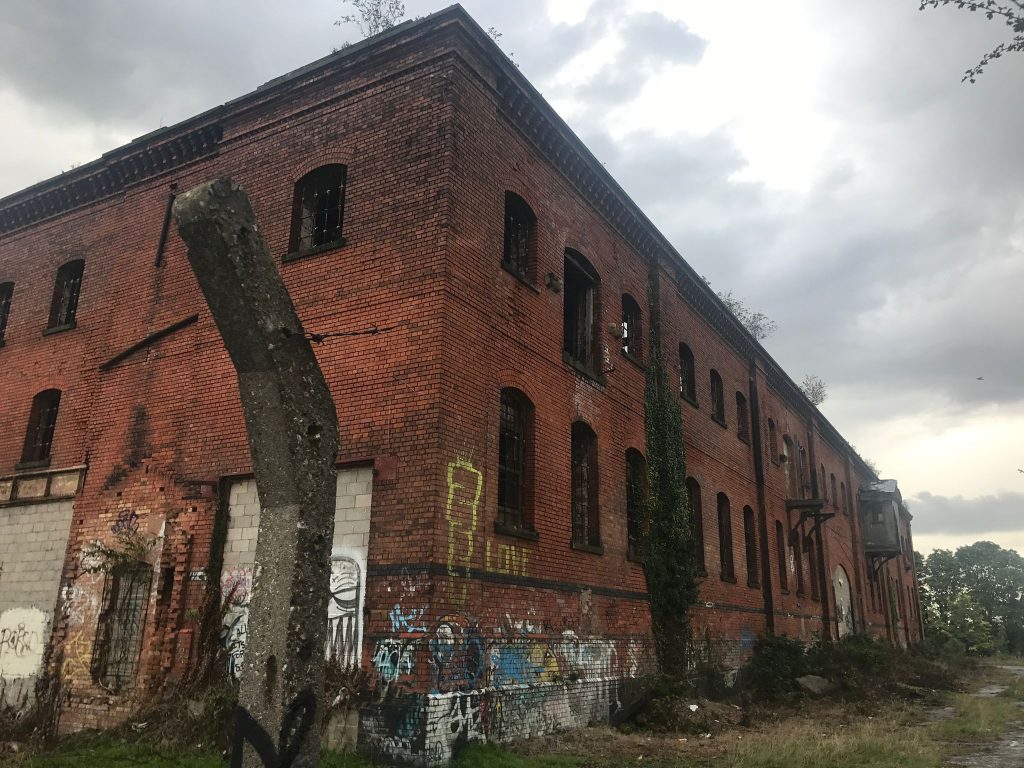
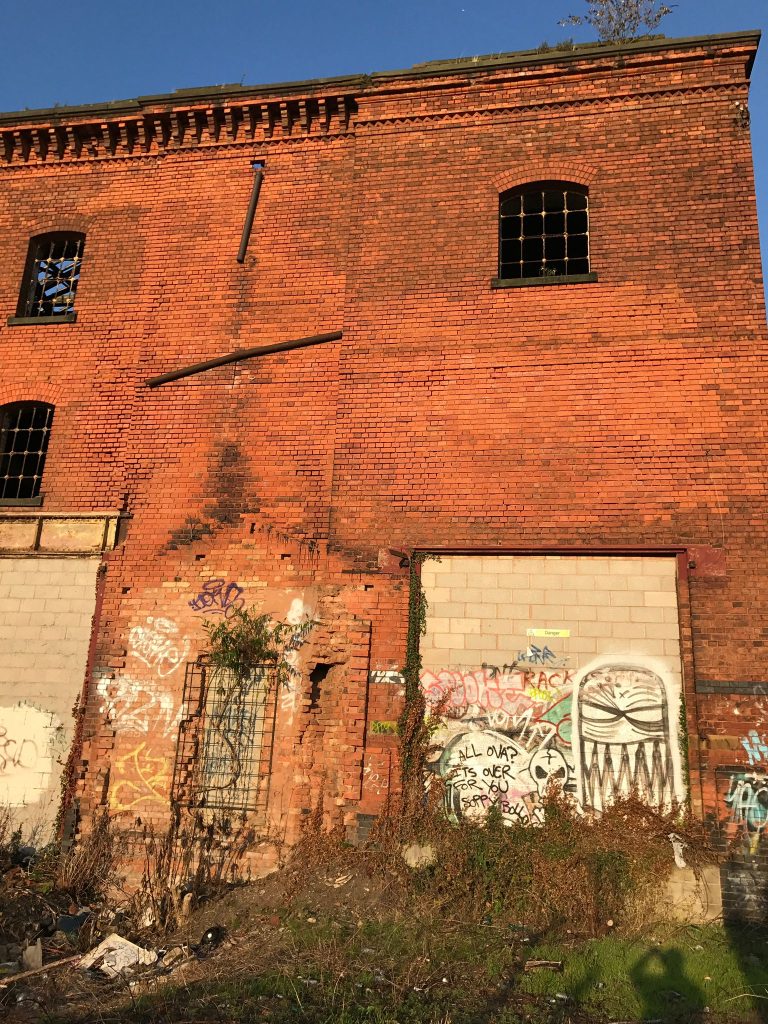
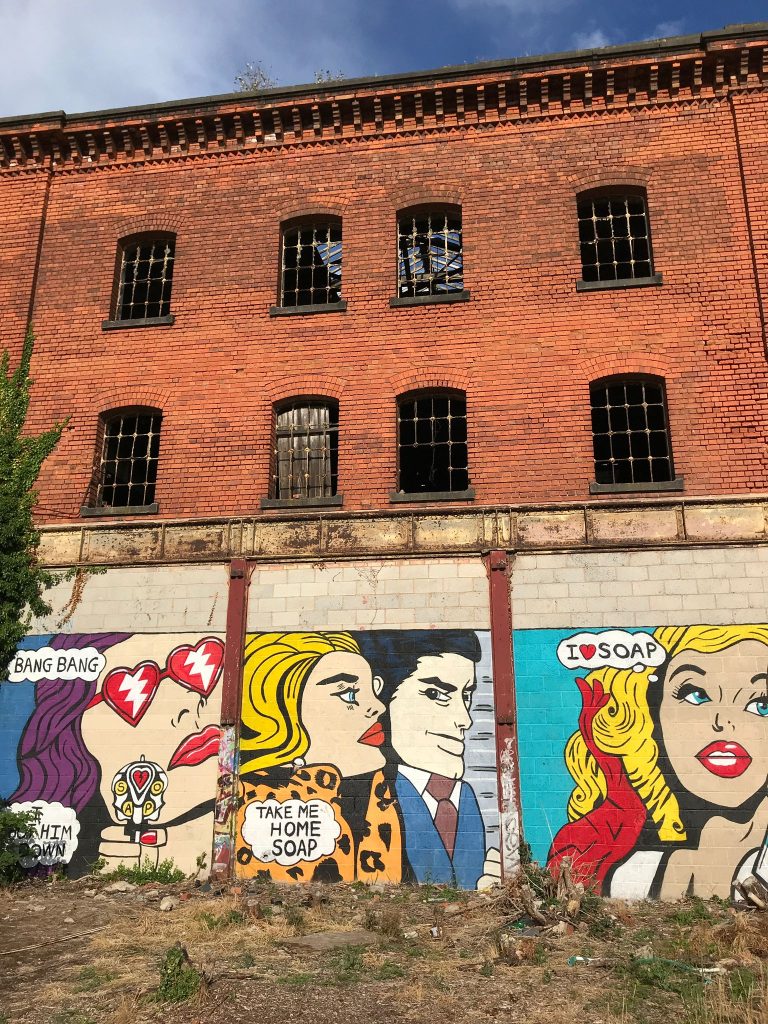
Friar Gate Goods Yard was built in the 1870s as the main goods depot for the Great Northern Railway. The bonded warehouse that still dominates the site today was part of that industrial machine-a place of movement, labour and logistics, feeding Derby’s growth during the railway age.
When the railways declined, the yard followed. The site fell into dereliction and remained largely unused for decades. By the time I first came to Derby around 20 years ago, the bonded warehouse was already a looming relic of another era-abandoned, intimidating, but still standing.
It wasn’t empty, though. Not really.
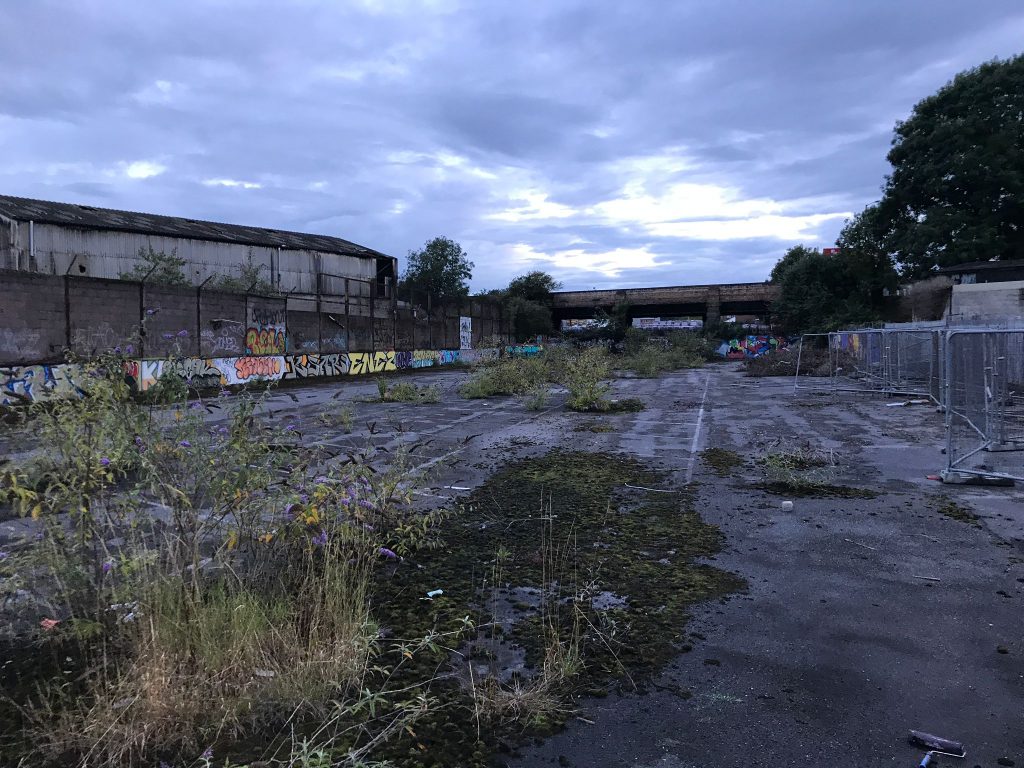
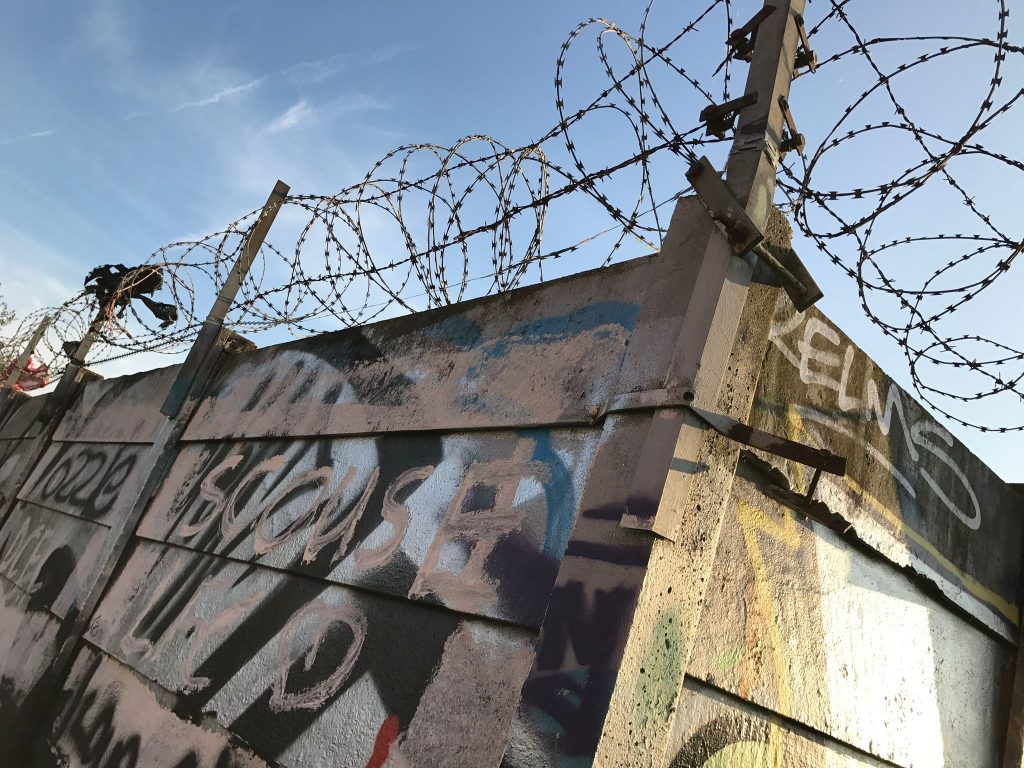
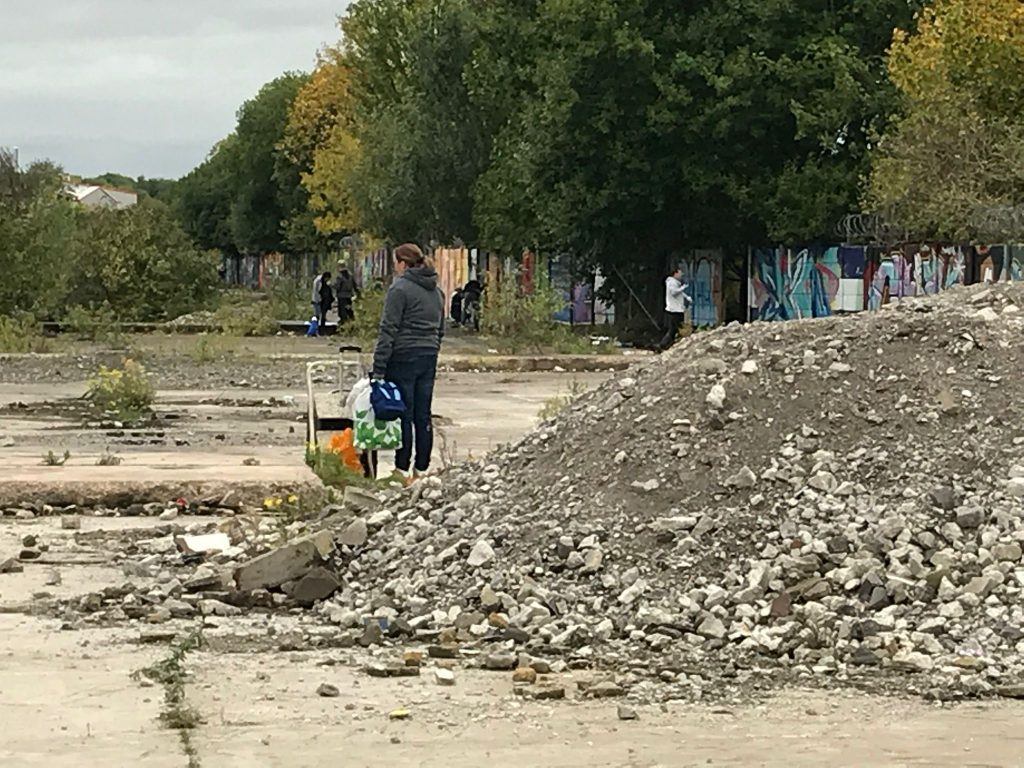
The surrounding land was rough, neglected and largely forgotten. Hard drug use was common. People went there to hide, not to linger. Yet curiosity pulled us in. We climbed the walls and explored inside, back when the bonded warehouse still had its roof intact.
Inside, it was immense. Train platforms still ran through the building. There were vast internal spaces, treacherous staircases, offices with uneven floors, and a huge hole in the middle of the structure that dropped into a black abyss. We were told it led to underground tunnels. Someone claimed there was a car down there.
Whether that was true or not hardly mattered. The place felt like a horror film set. For a film student, it was extraordinary. Dangerous, eerie, cinematic and unforgettable.
I even remember a smashed-up car inside the building itself, balanced nose-up against an internal doorway. To this day, I have no idea how it got there. Somewhere, buried in old student hard drives, I know I have photos from those explorations. I should dig them out.
ClientLogic, Control and Concrete
Next door, on Great Northern Road, stood another chapter of the site’s history-a call centre operated by ClientLogic, later part of Webhelp UK. I worked there for a time. It was, without exaggeration, one of the worst jobs I have ever had.
You were told to buy a stopwatch to time your breaks. Come back ten seconds late and you would be called out and reprimanded. No hyperbole. That was the culture. It felt joyless, oppressive and utterly disposable.
In spring 2006, the building closed after its major client, BT, moved operations overseas. Eventually, the call centre was knocked down entirely. Good riddance.
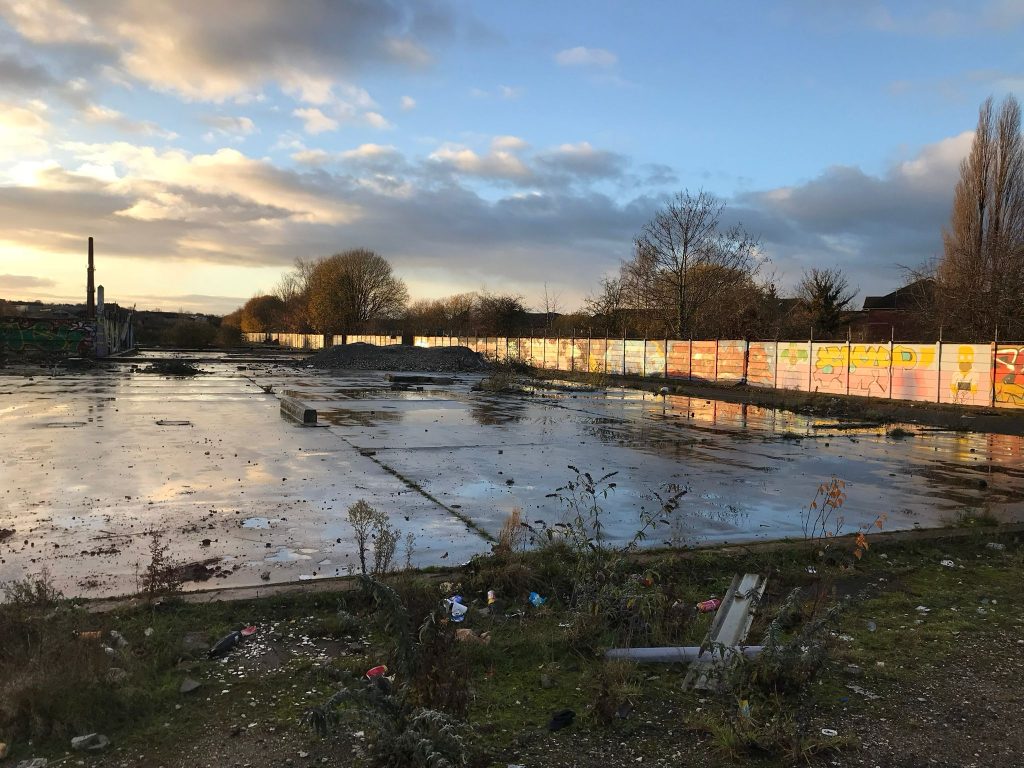
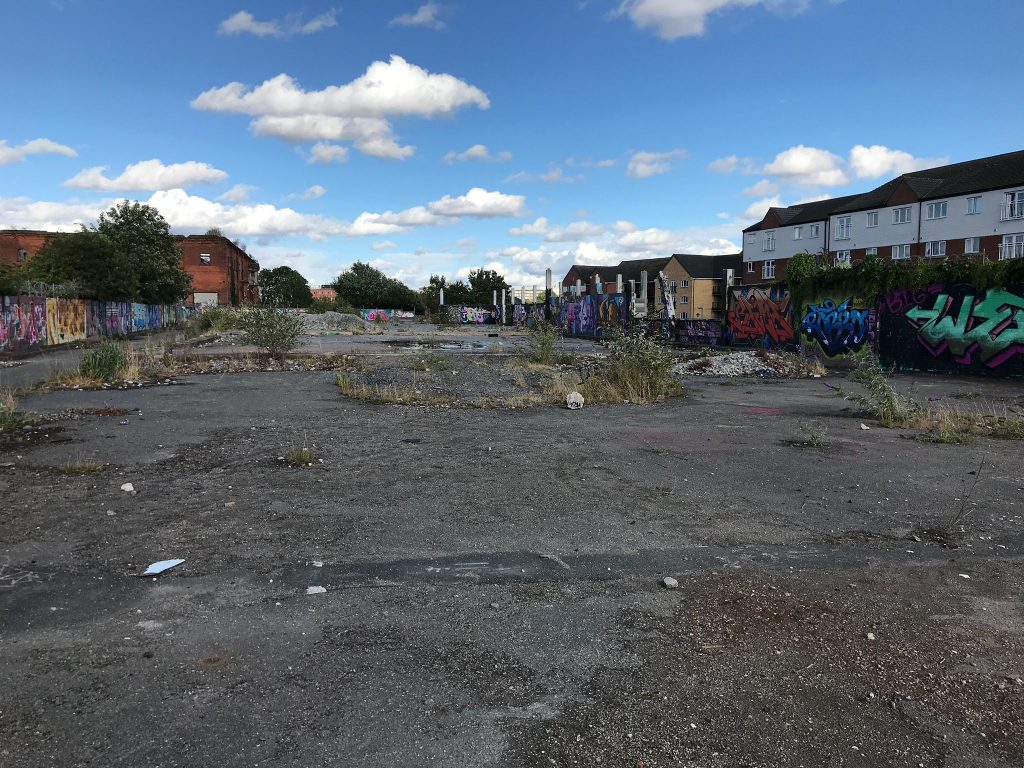
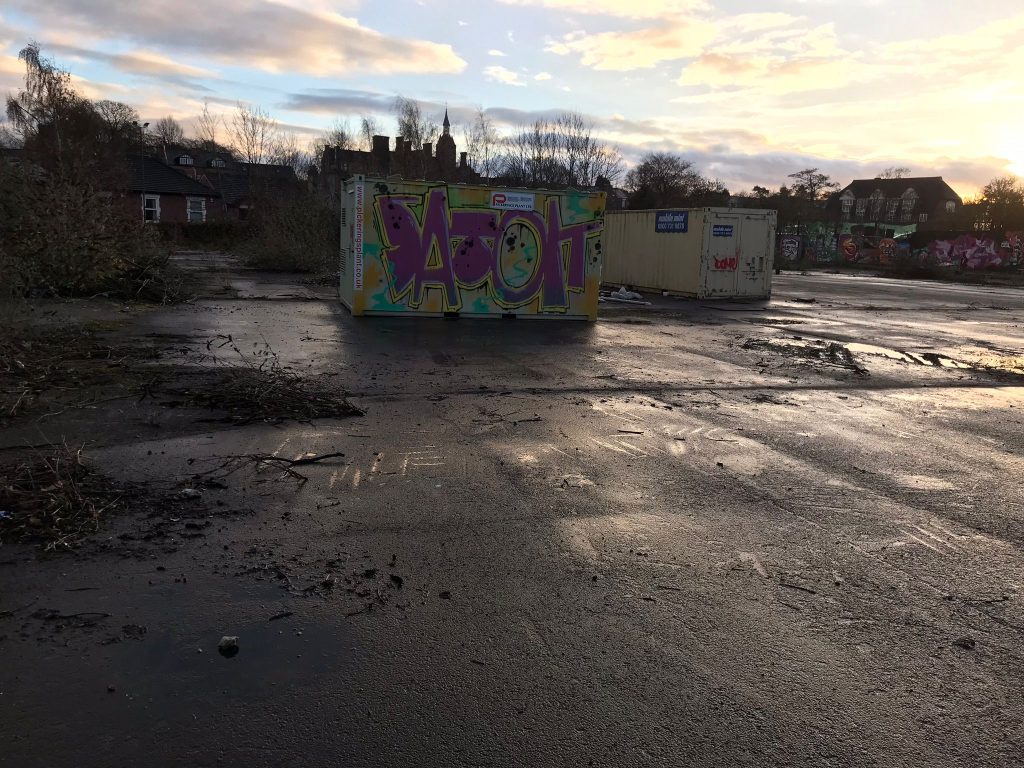
What remained was a vast stretch of wasteland between the bonded warehouse and the scrap metal yard. For a while, it reverted to what it had been before-unsafe, avoided, forgotten.
Then something changed.
When the Yard Found Colour
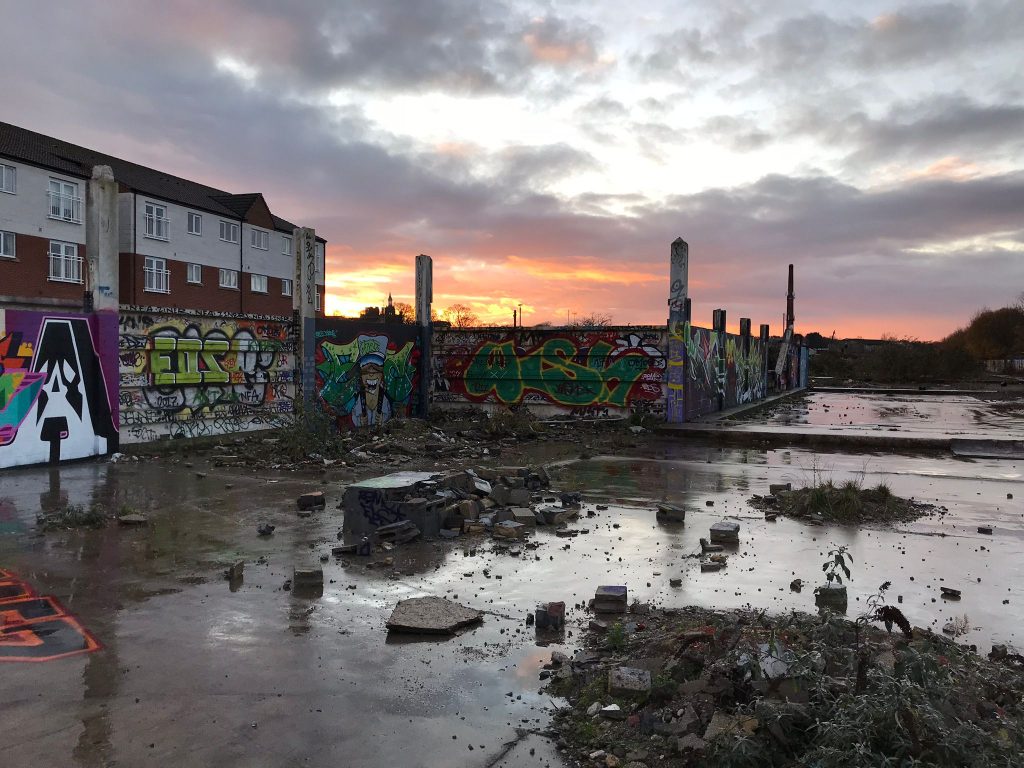
Slowly at first, graffiti began to appear.
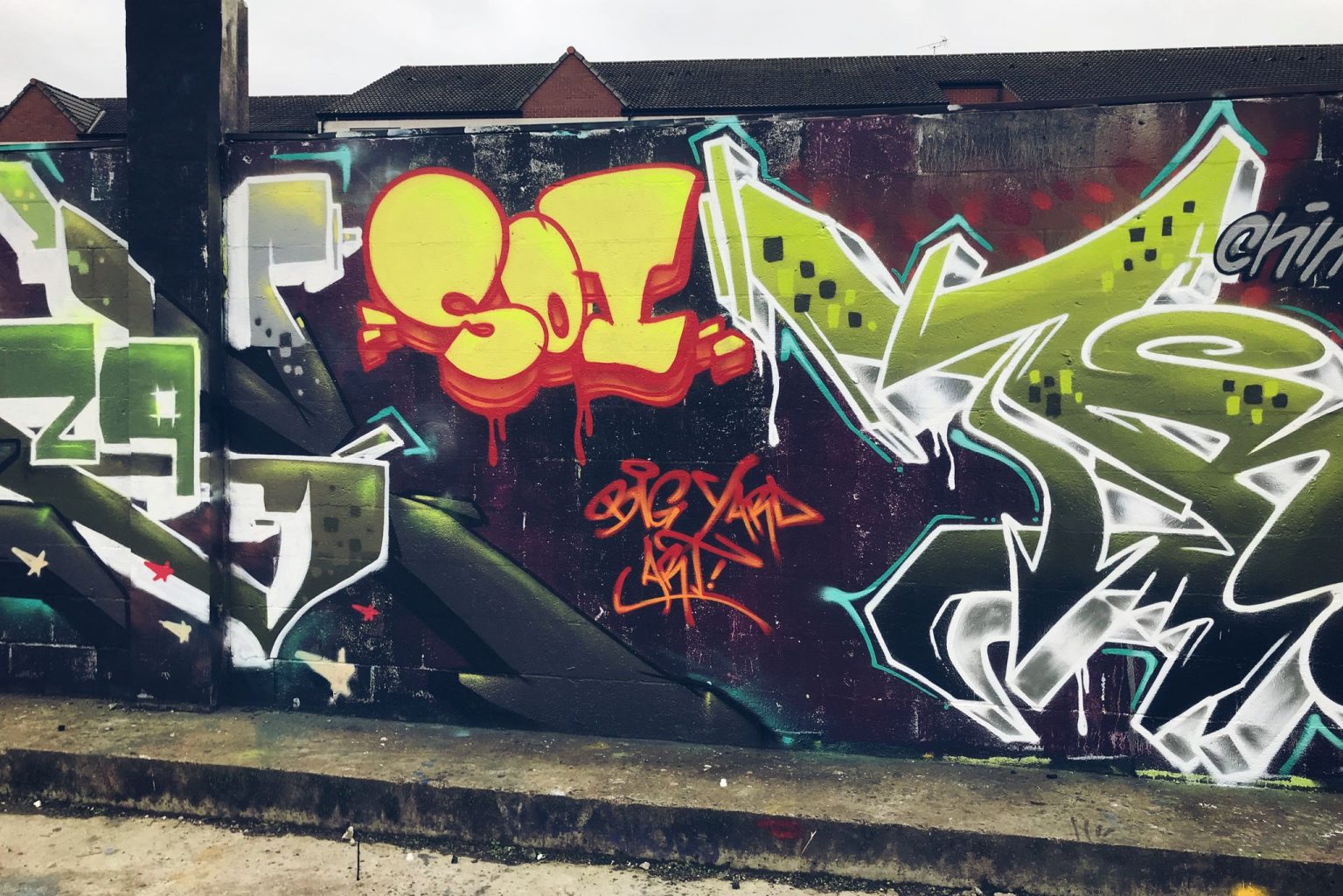
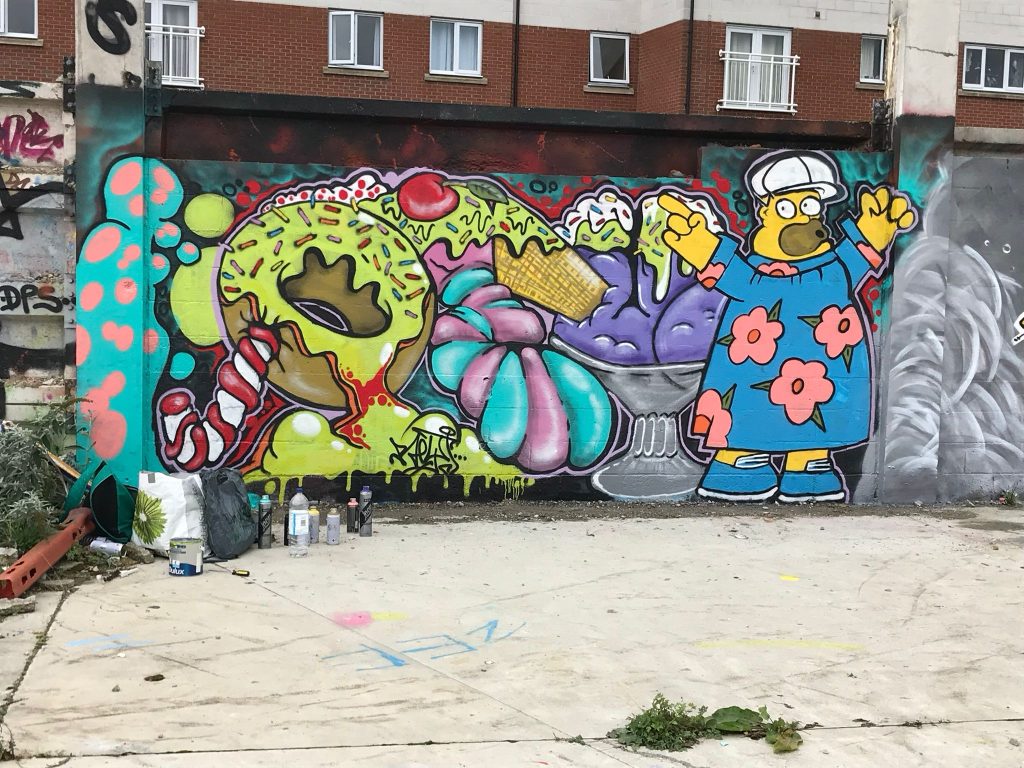
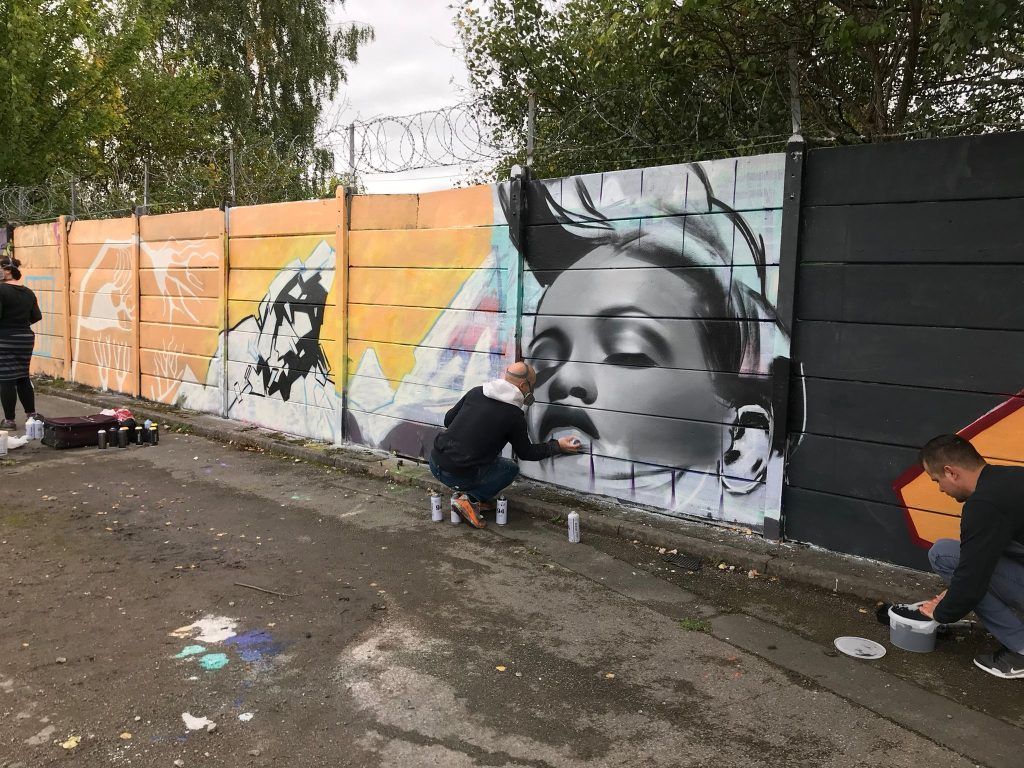
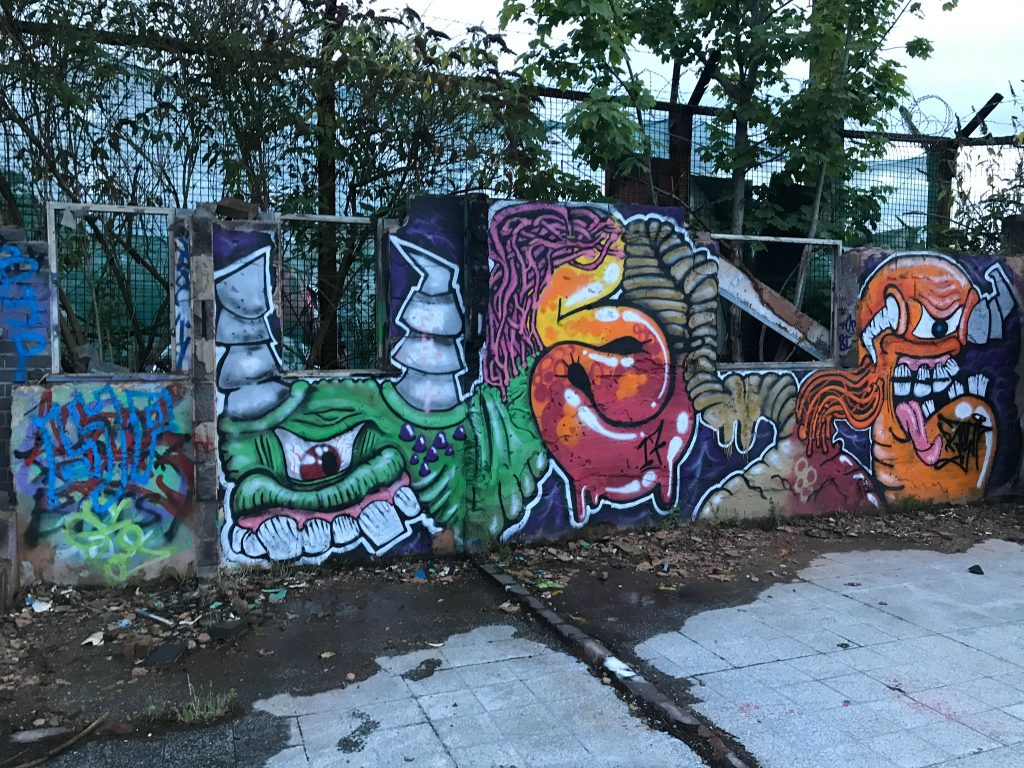
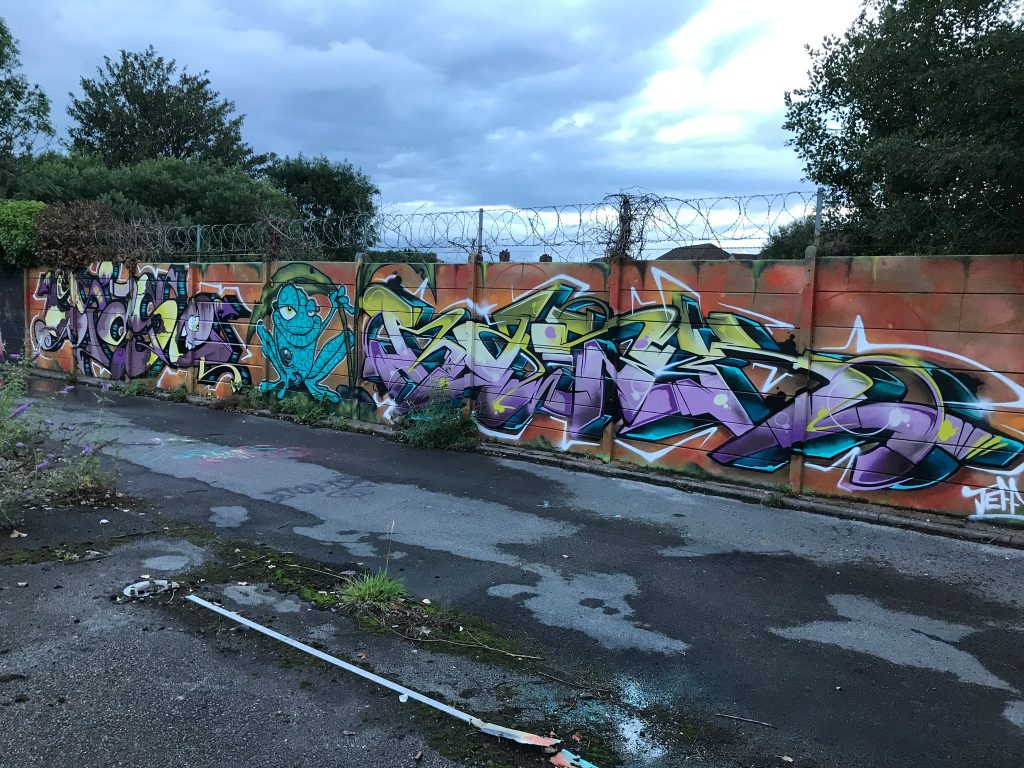
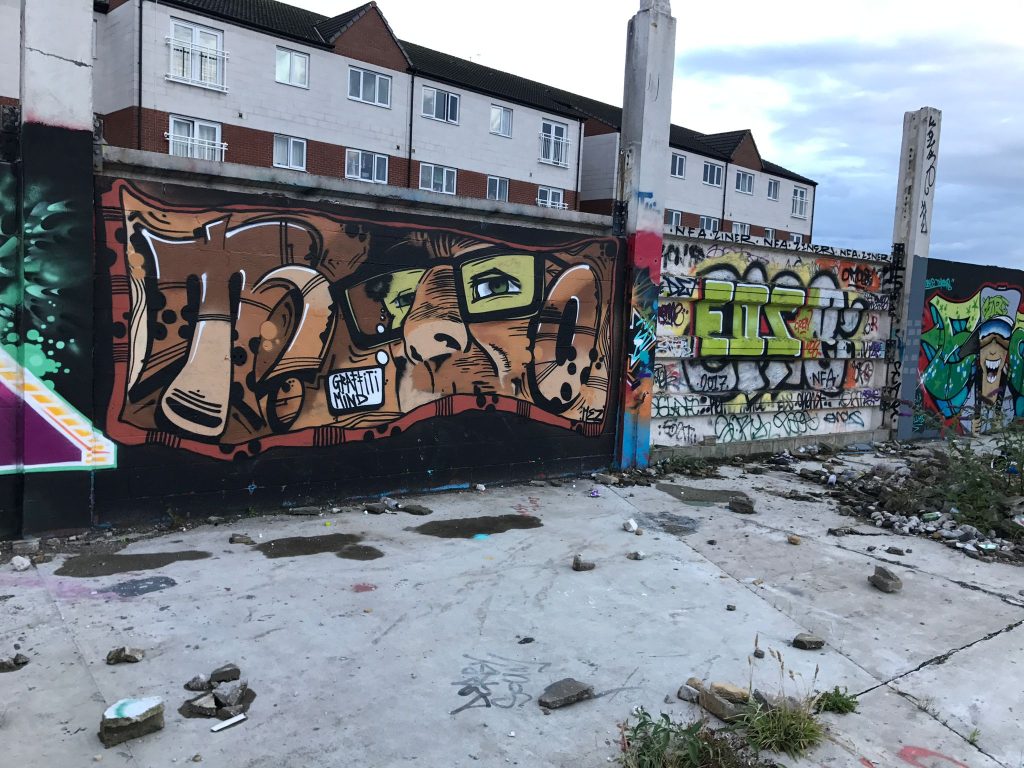
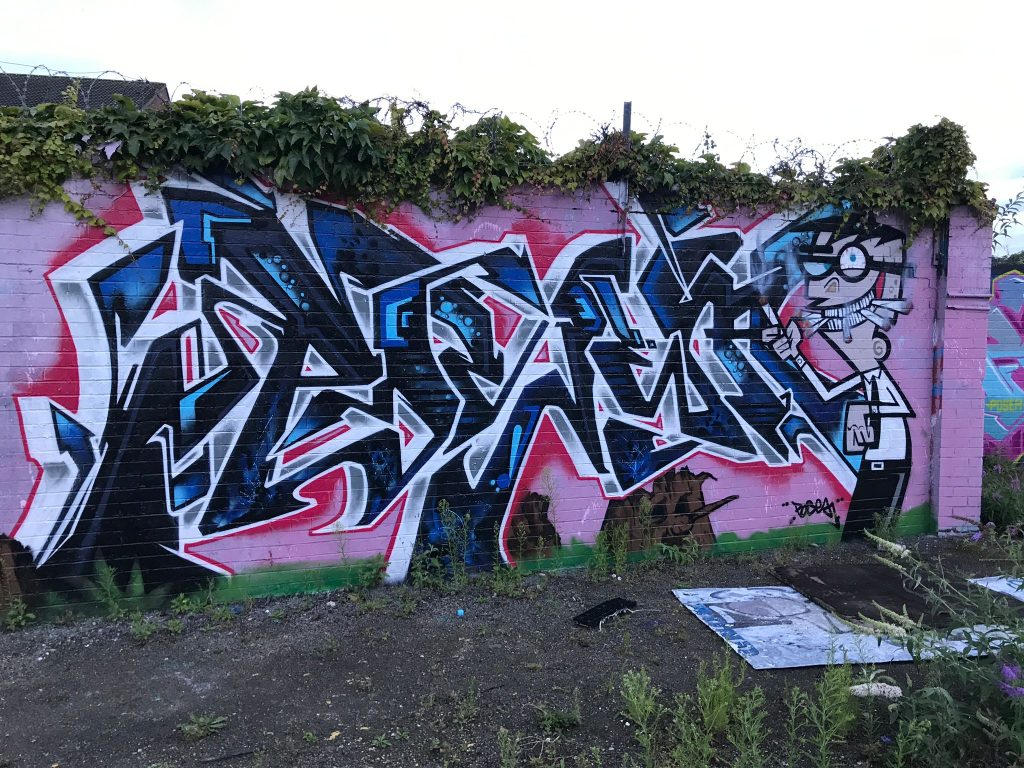
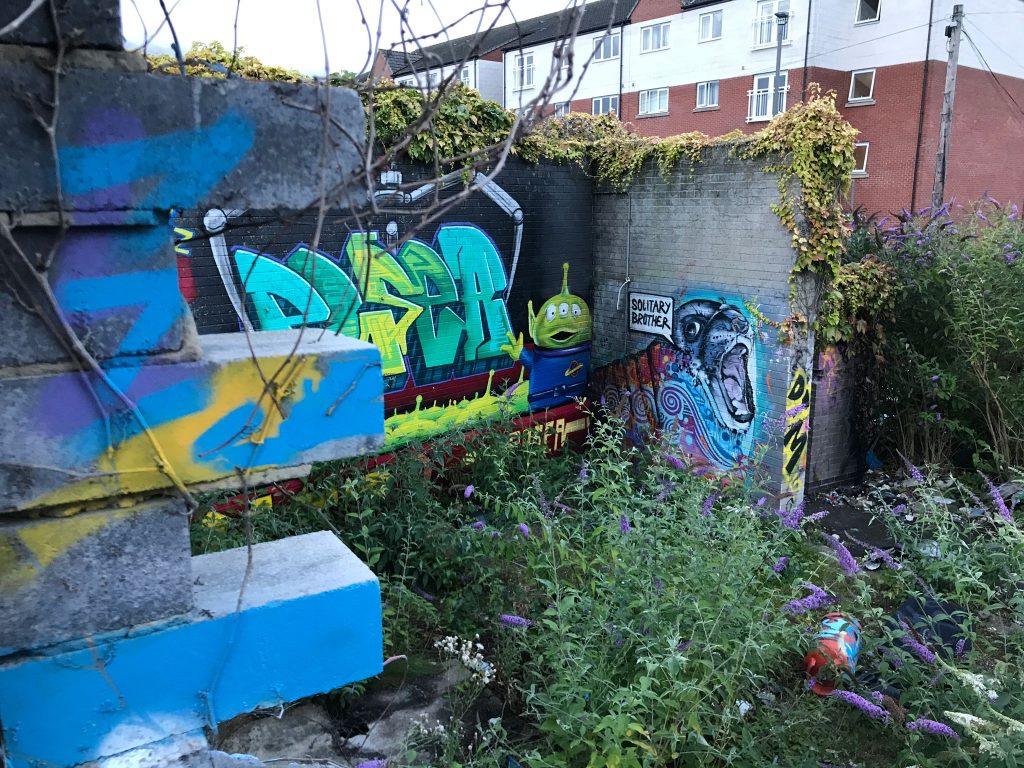
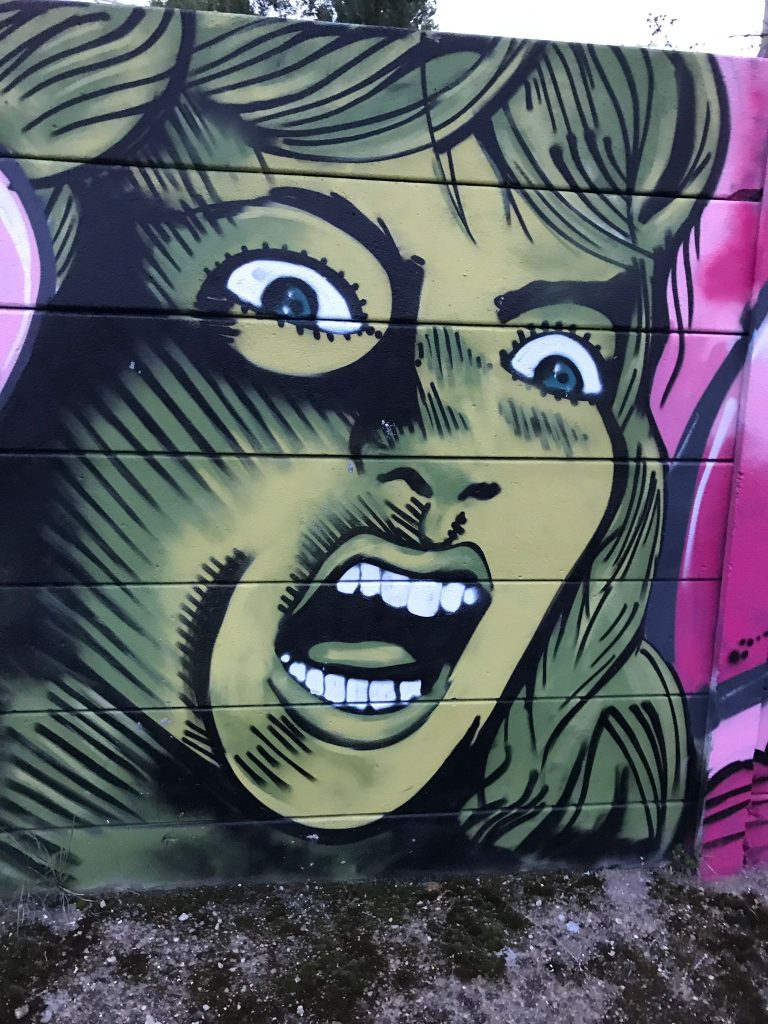
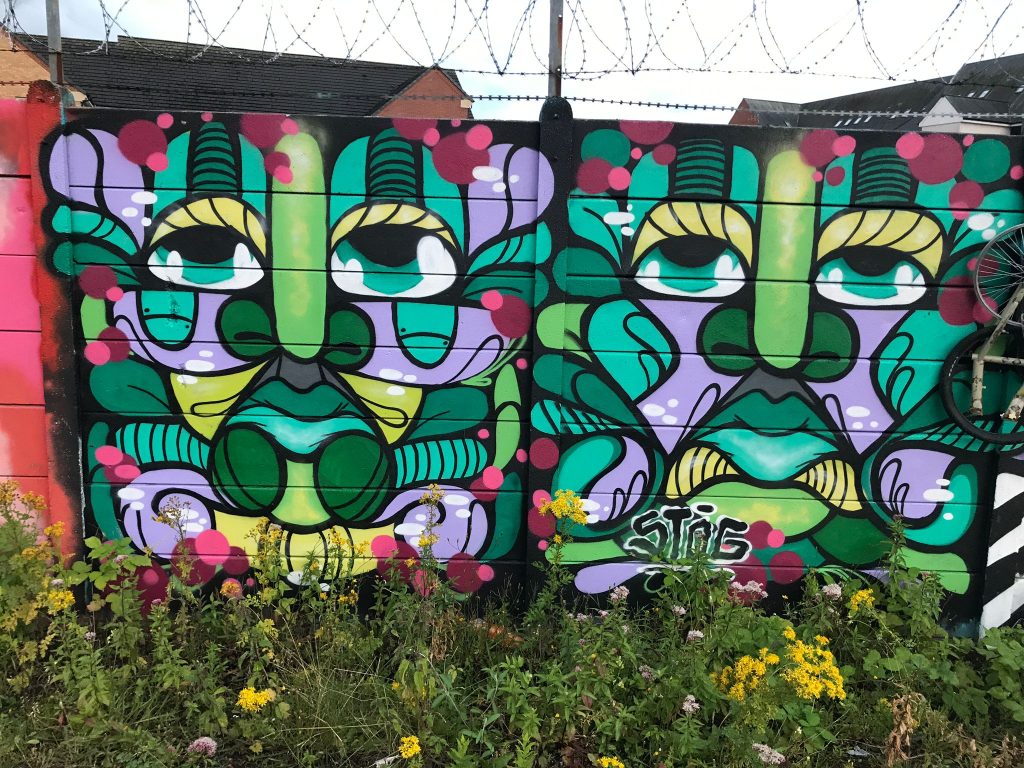
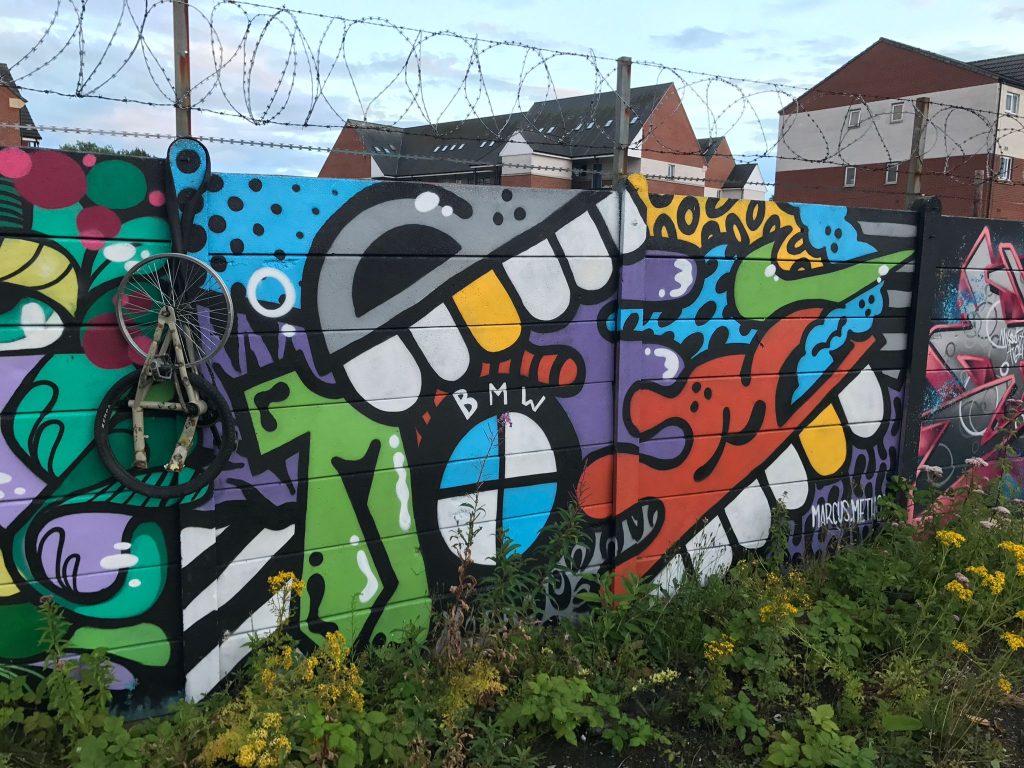
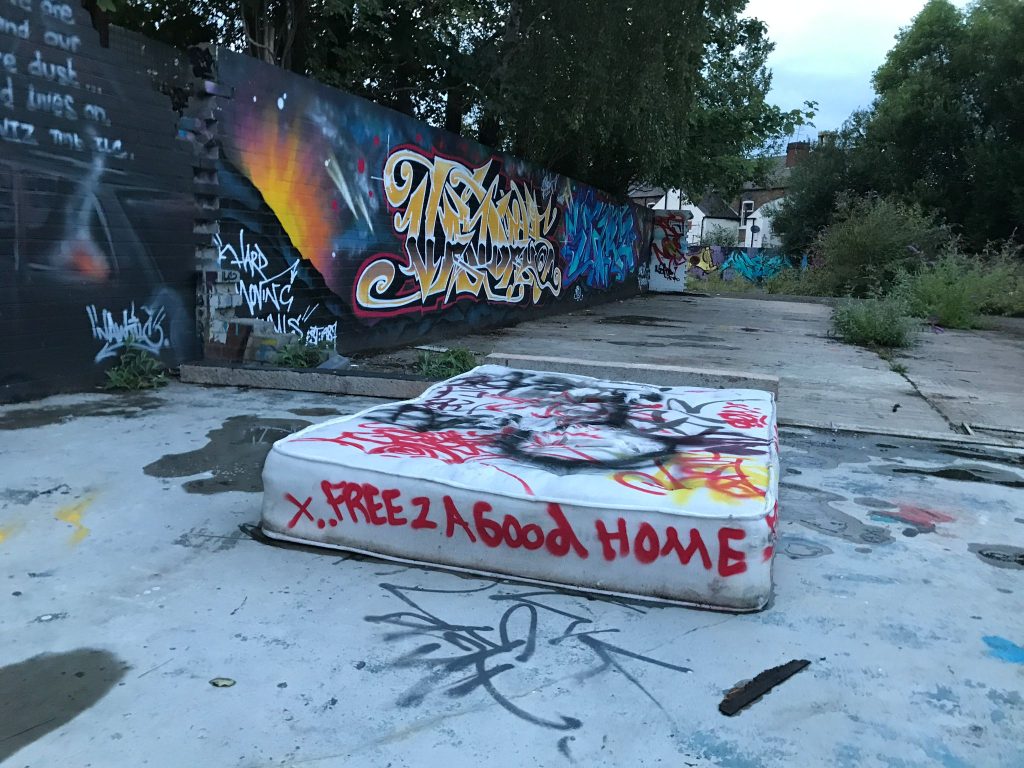
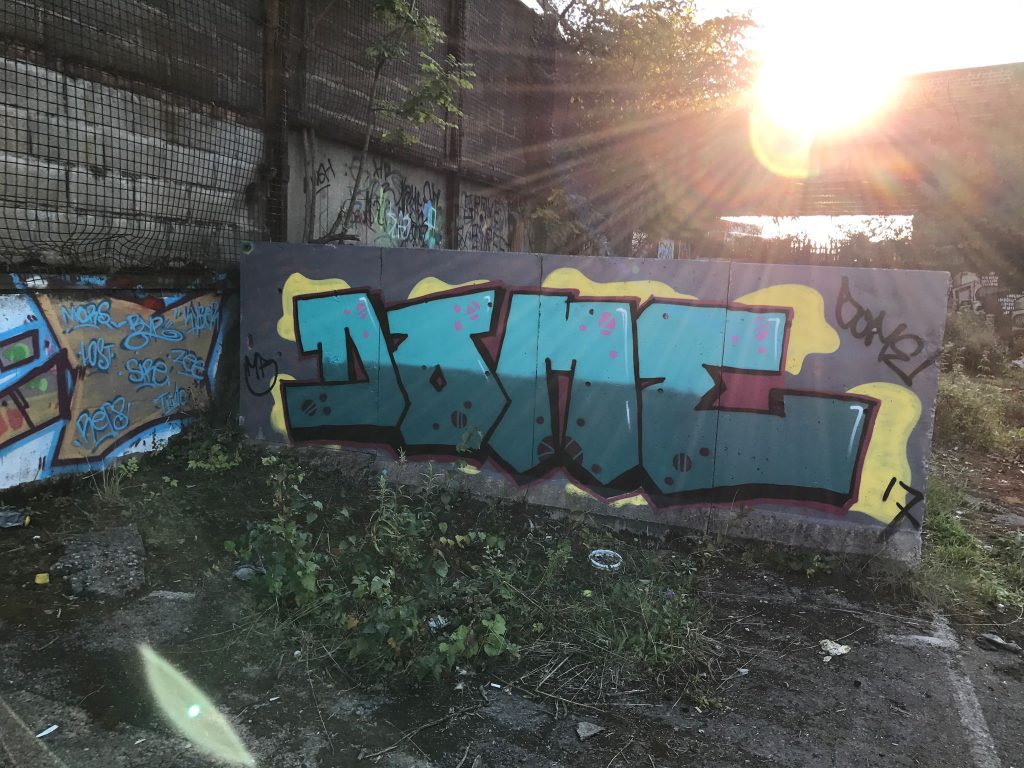
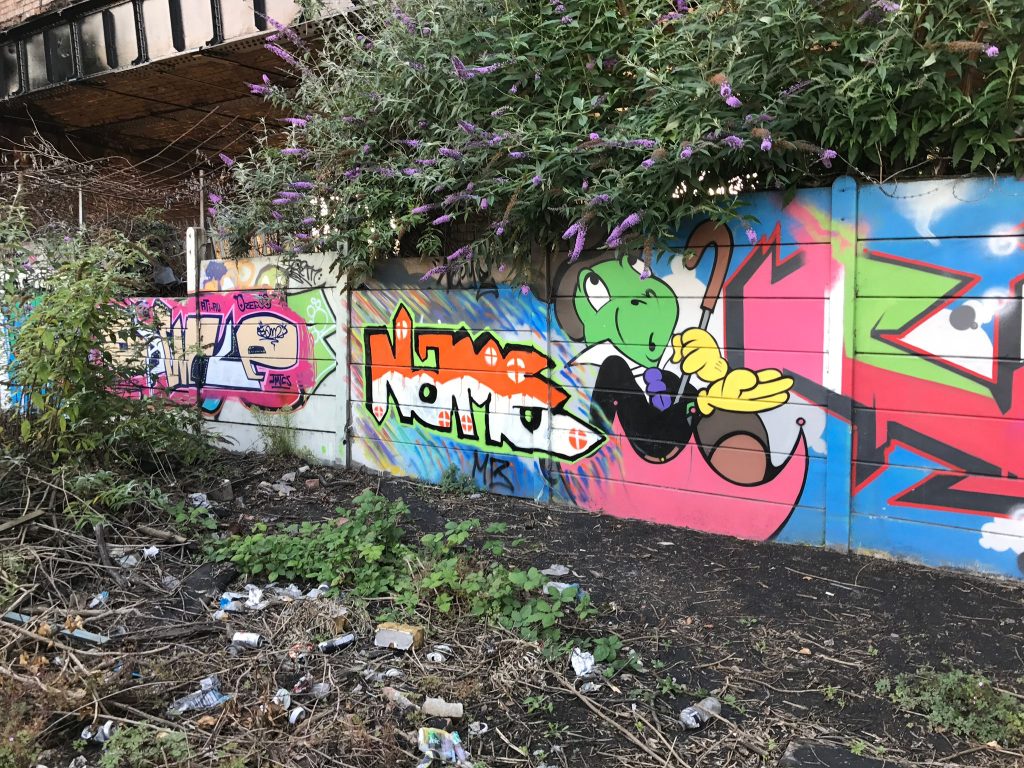
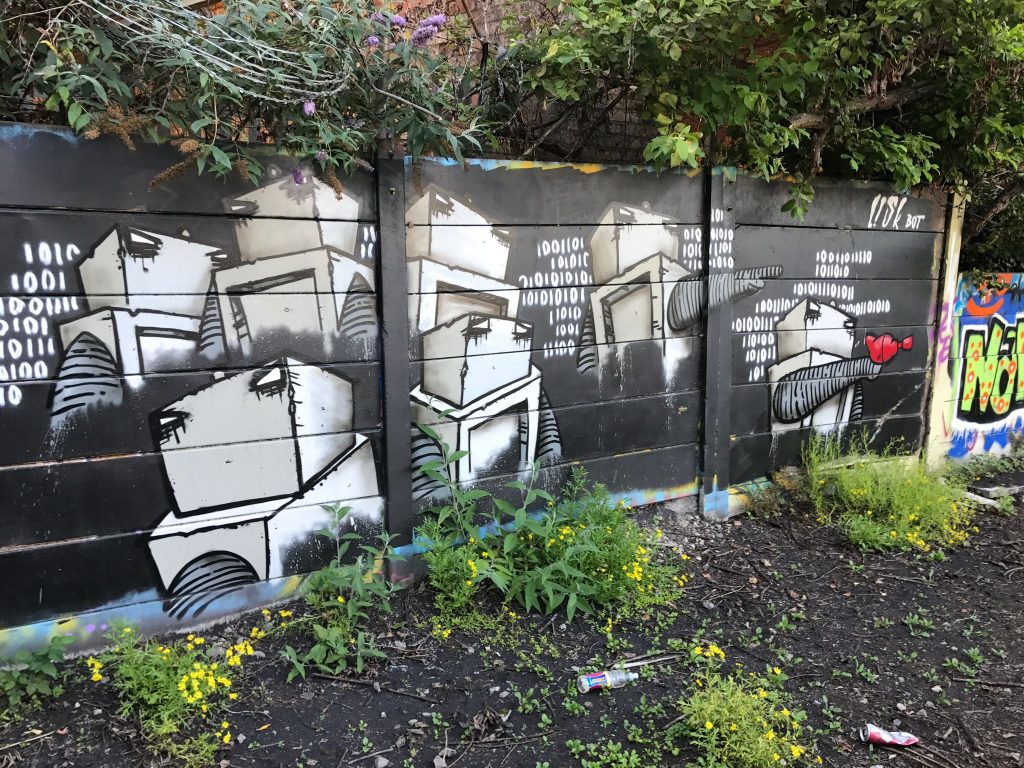
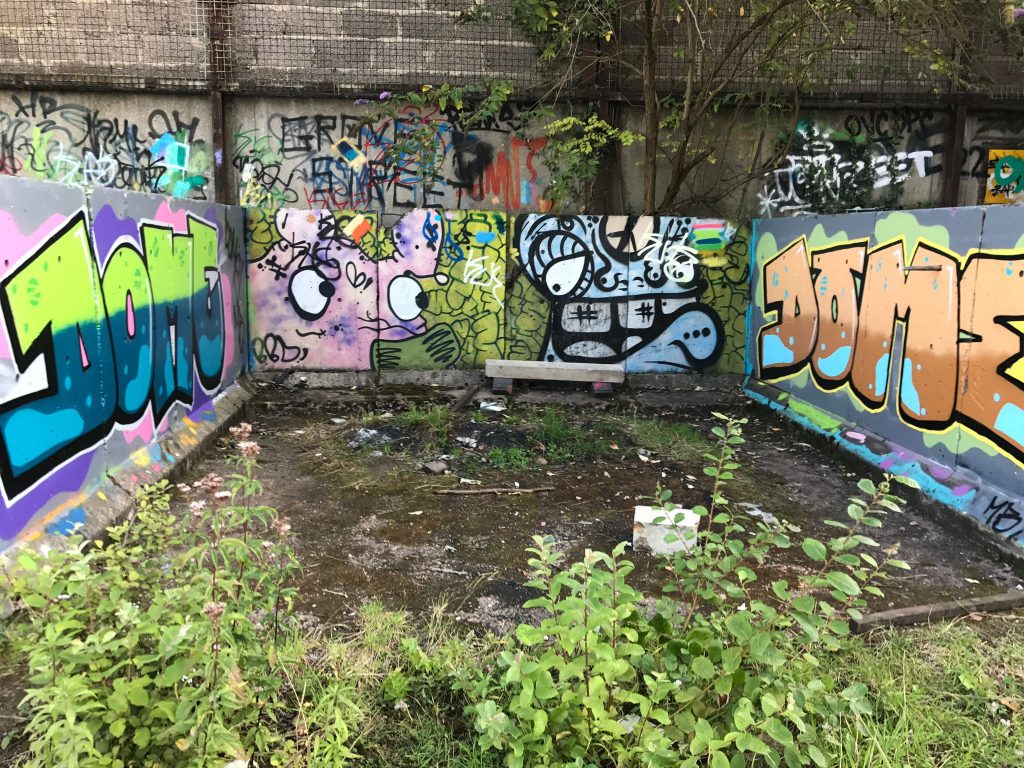
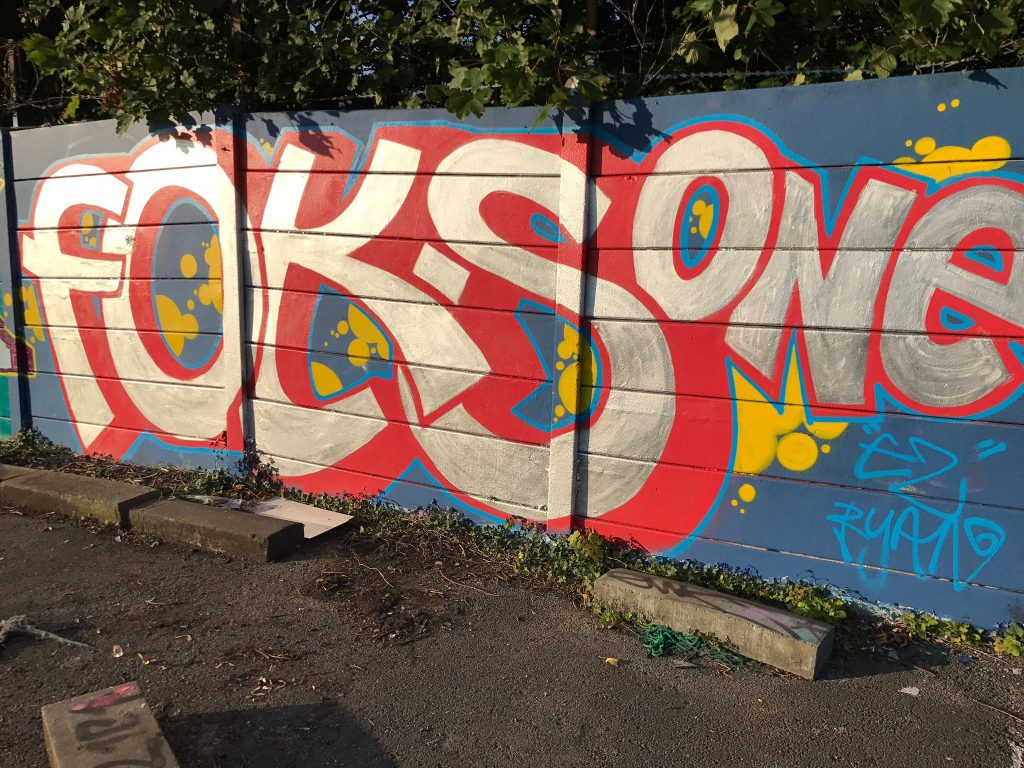
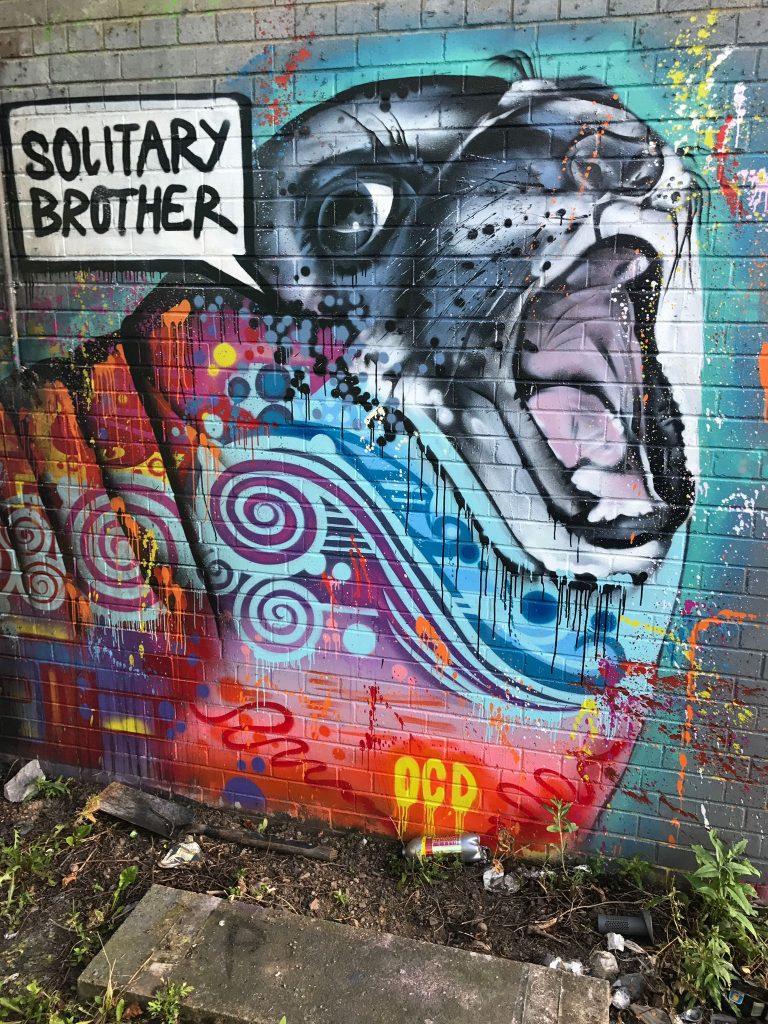
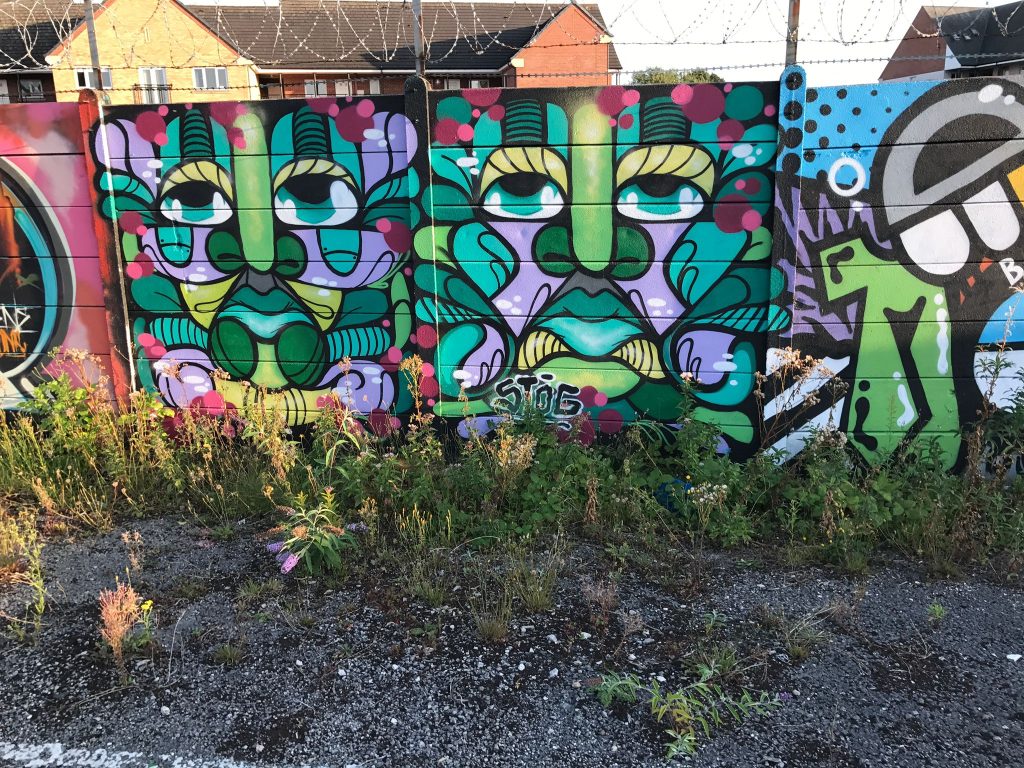
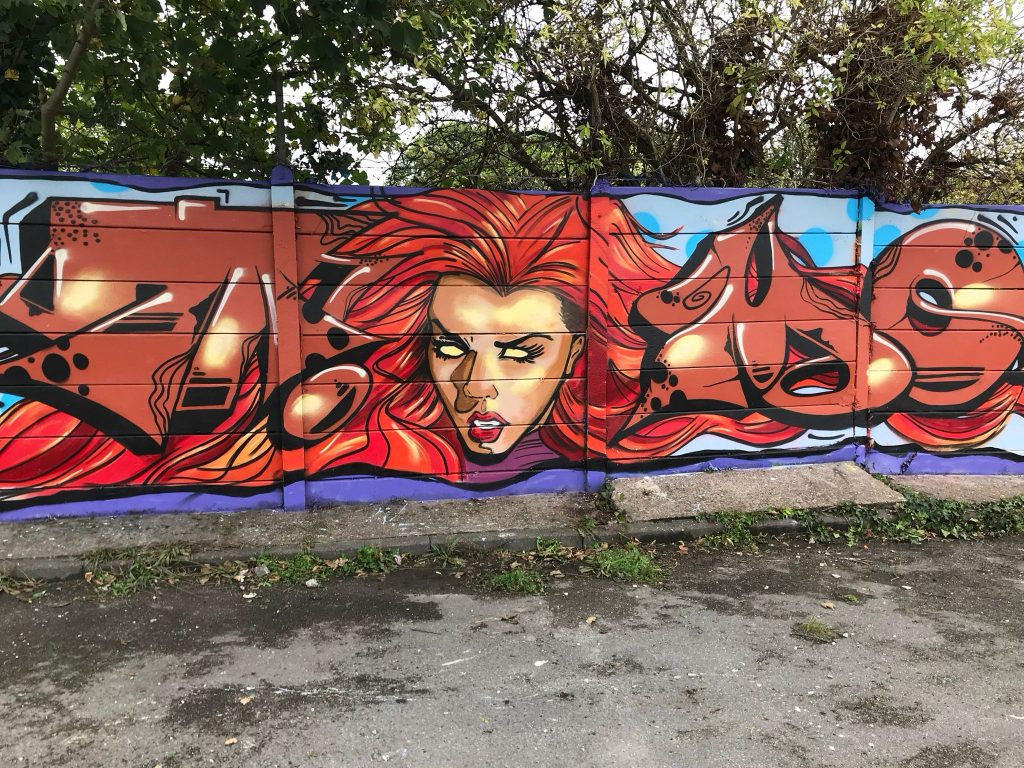
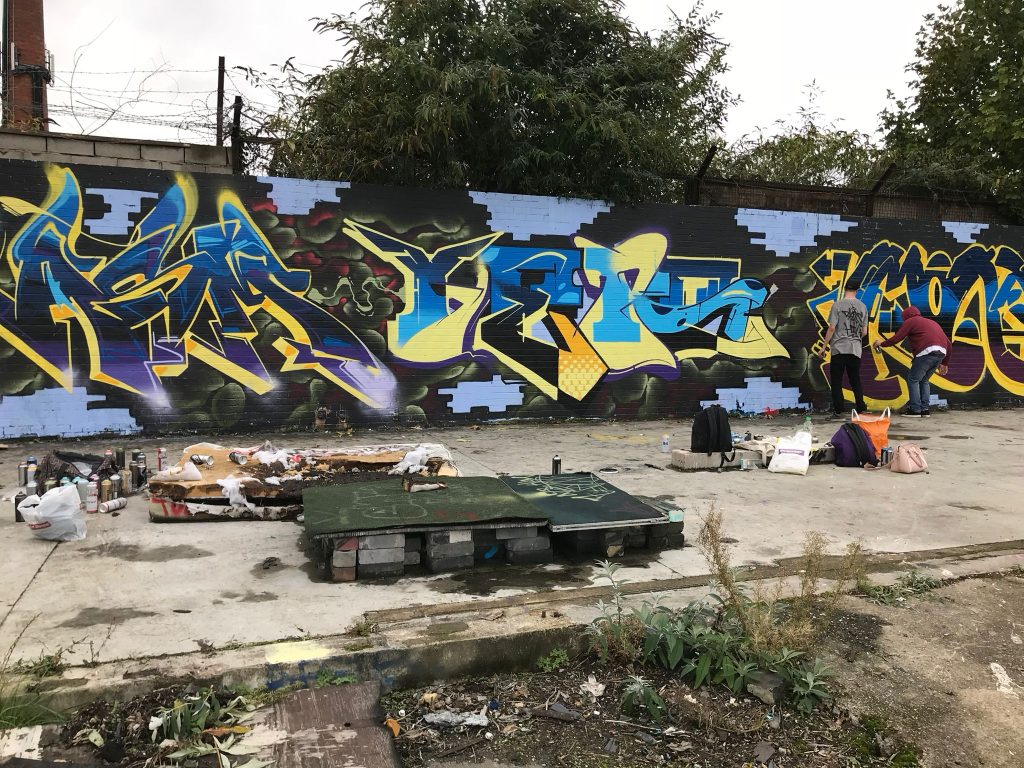
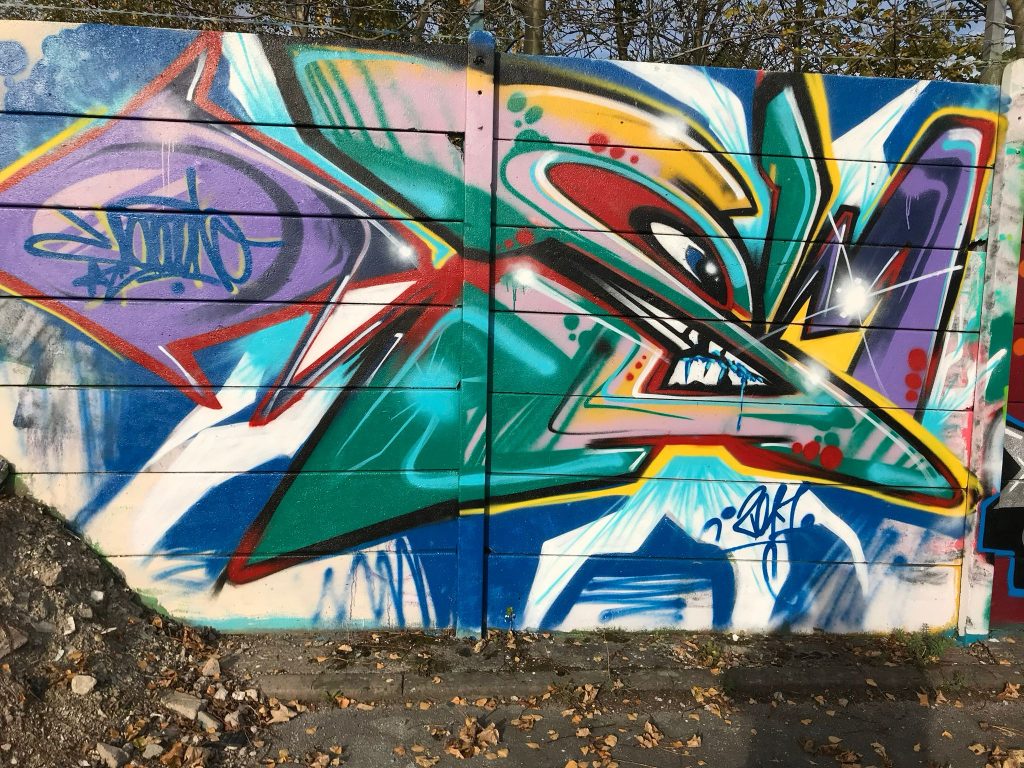
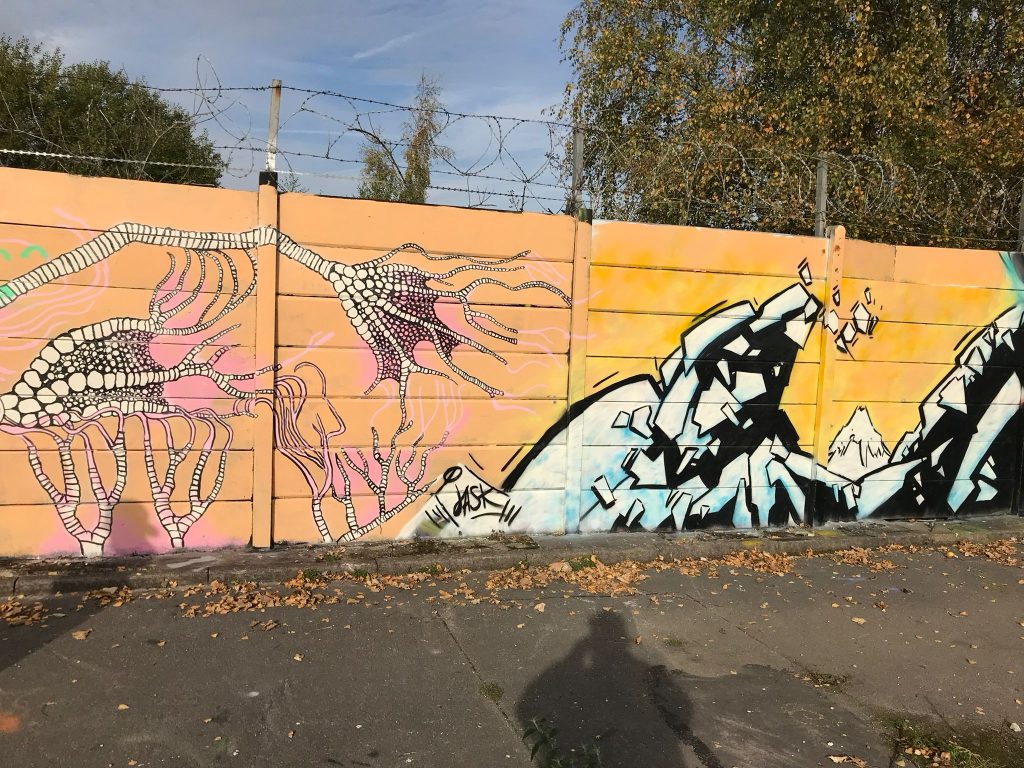
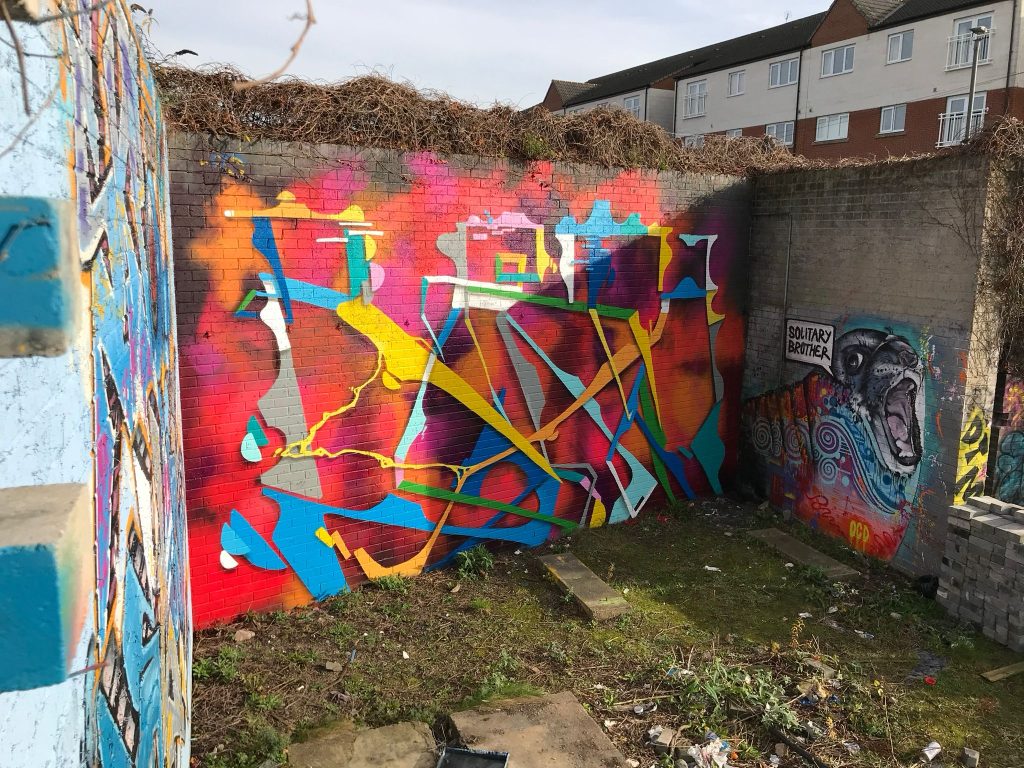
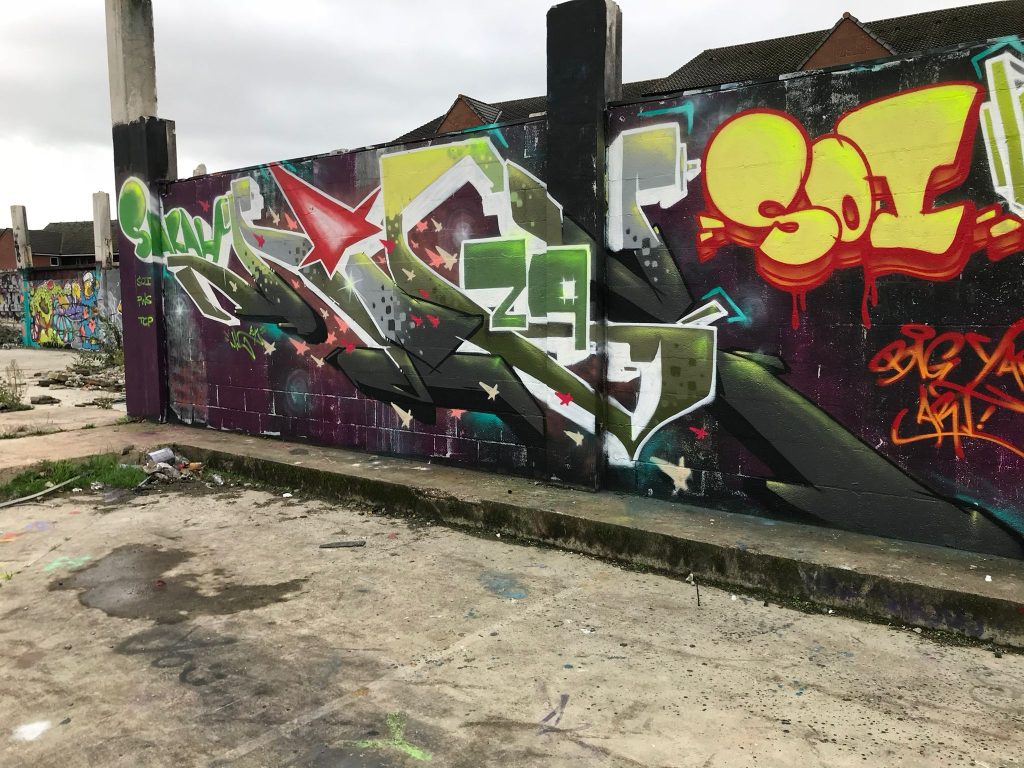
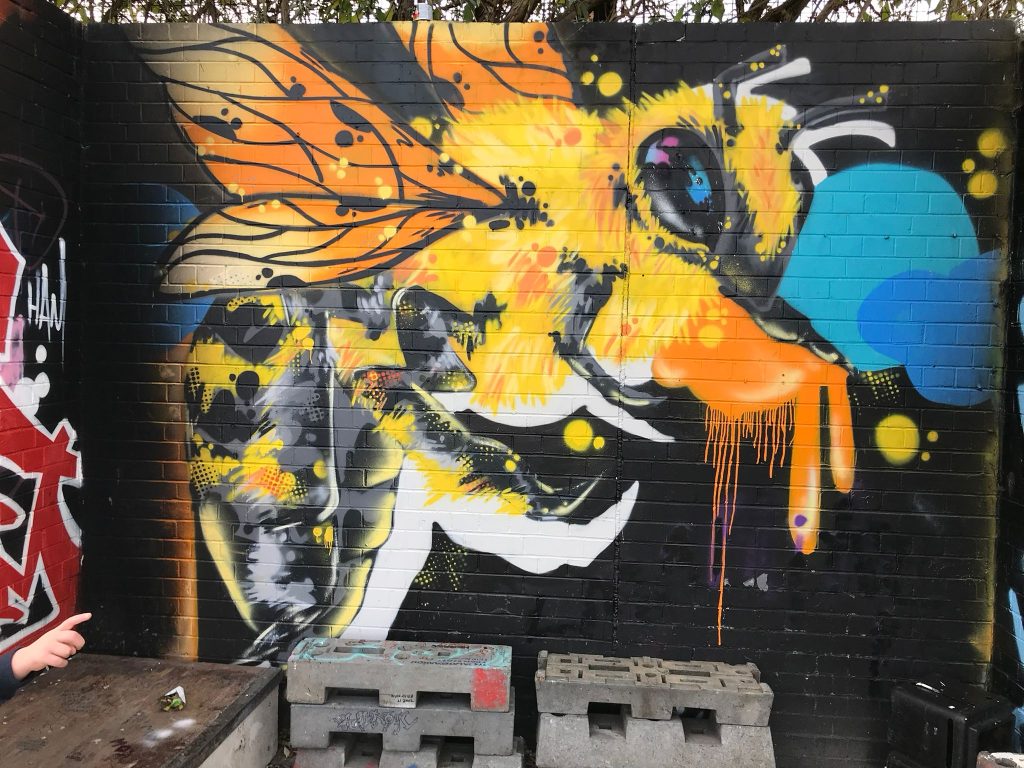
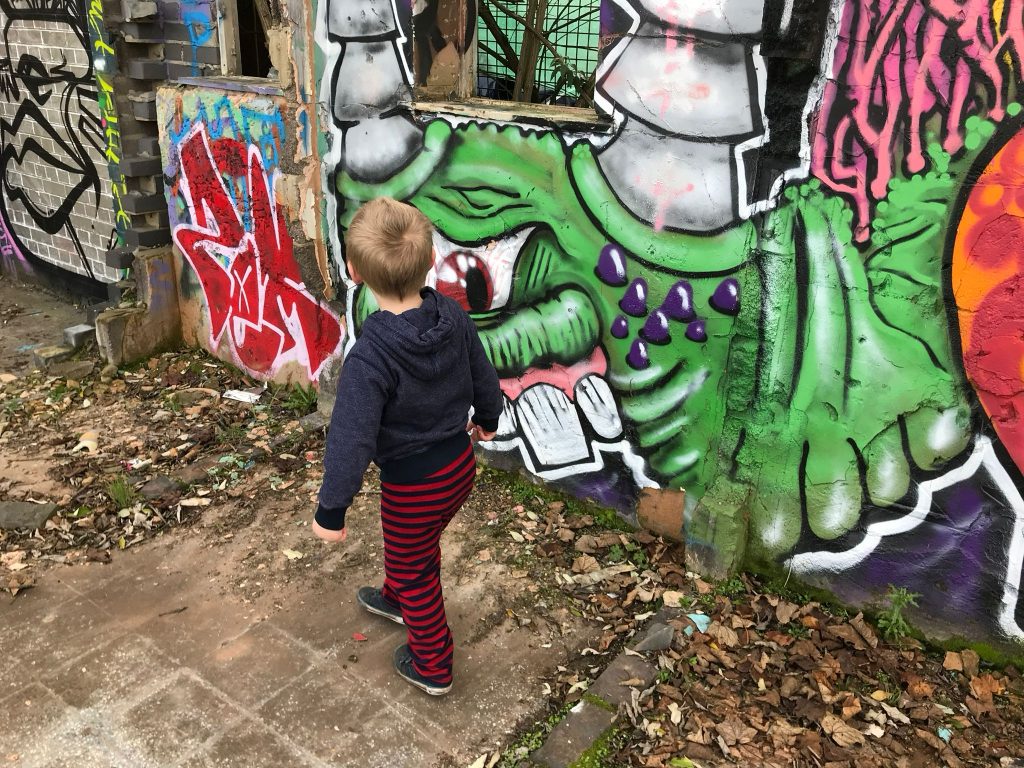
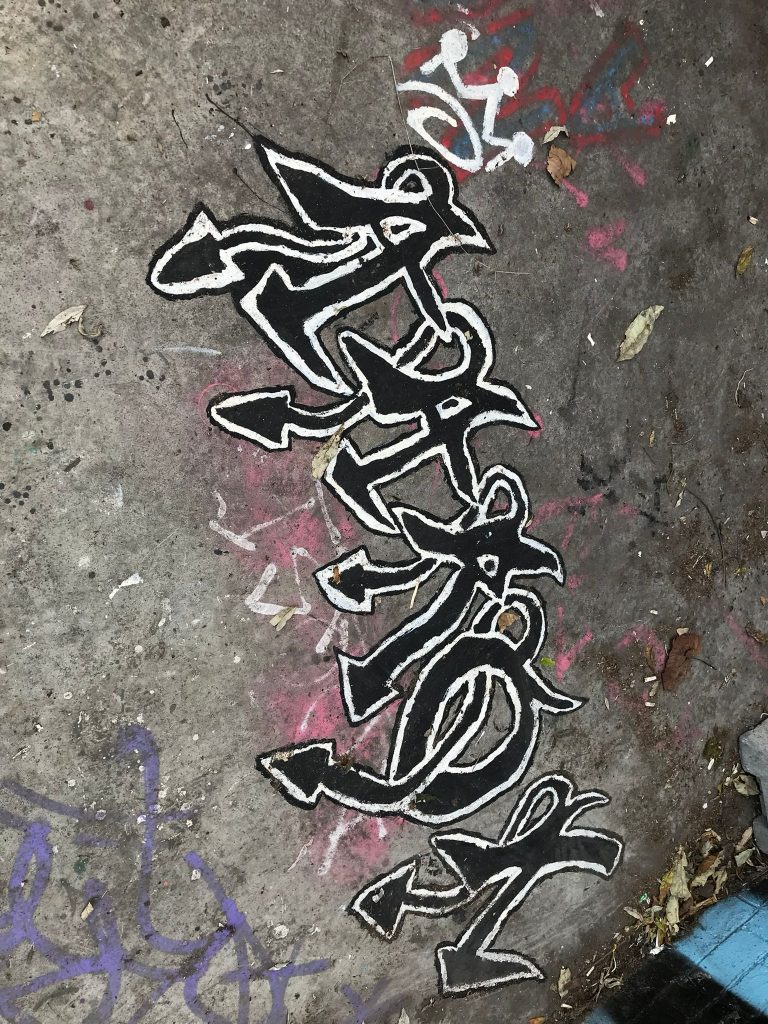
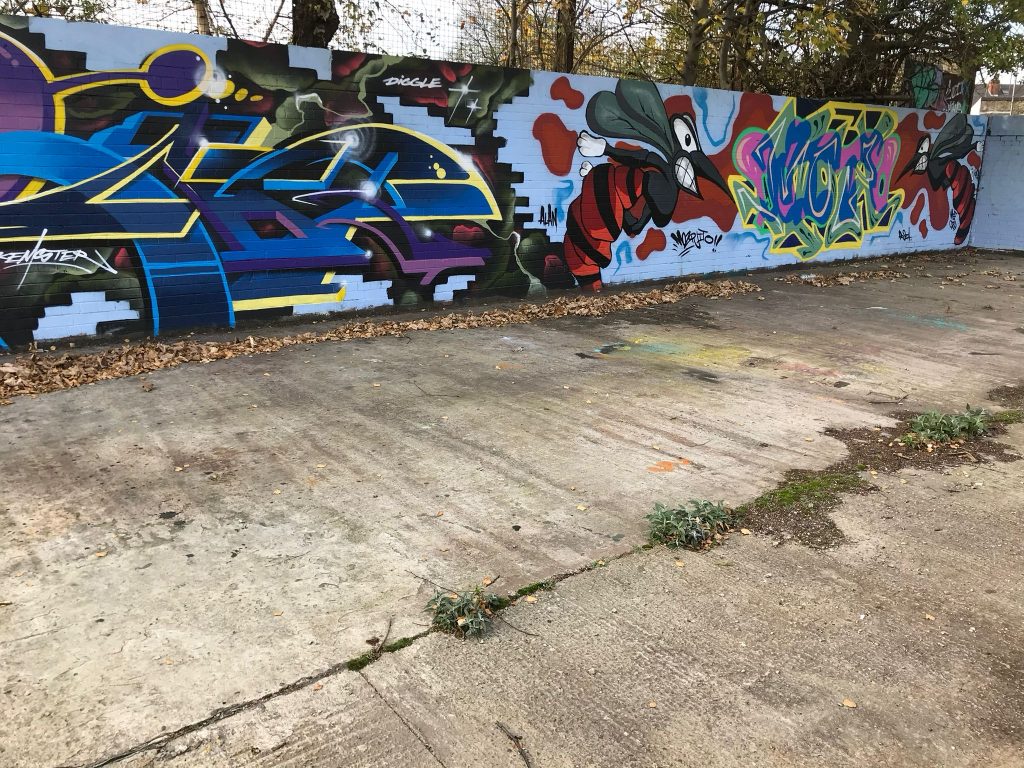
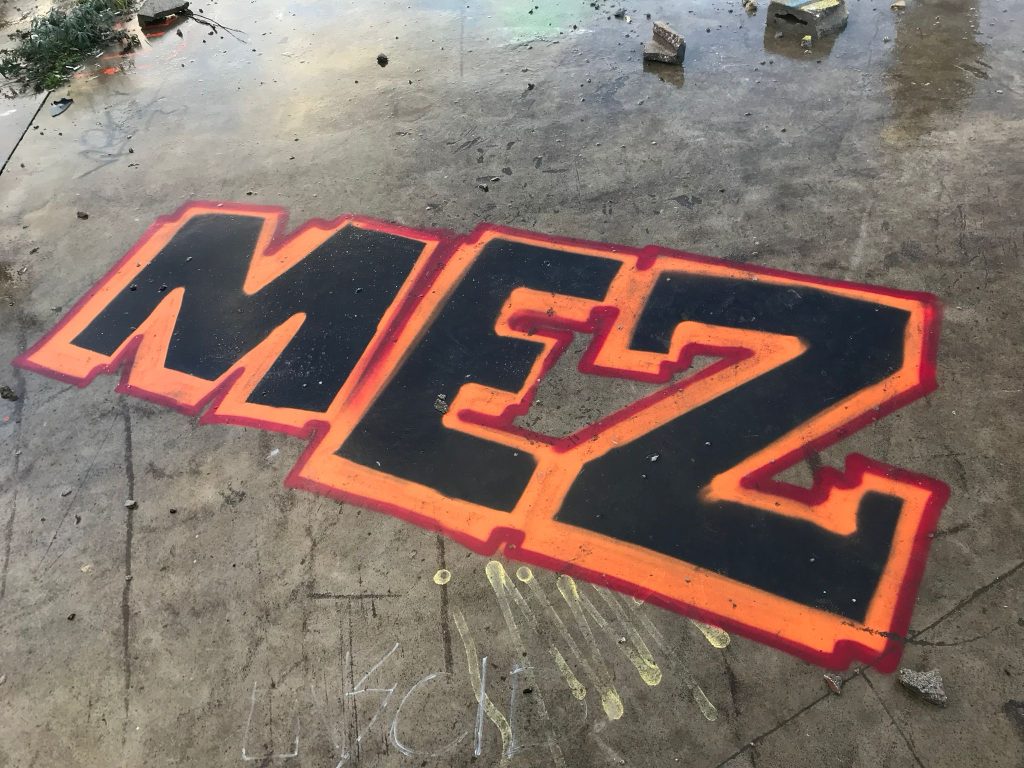
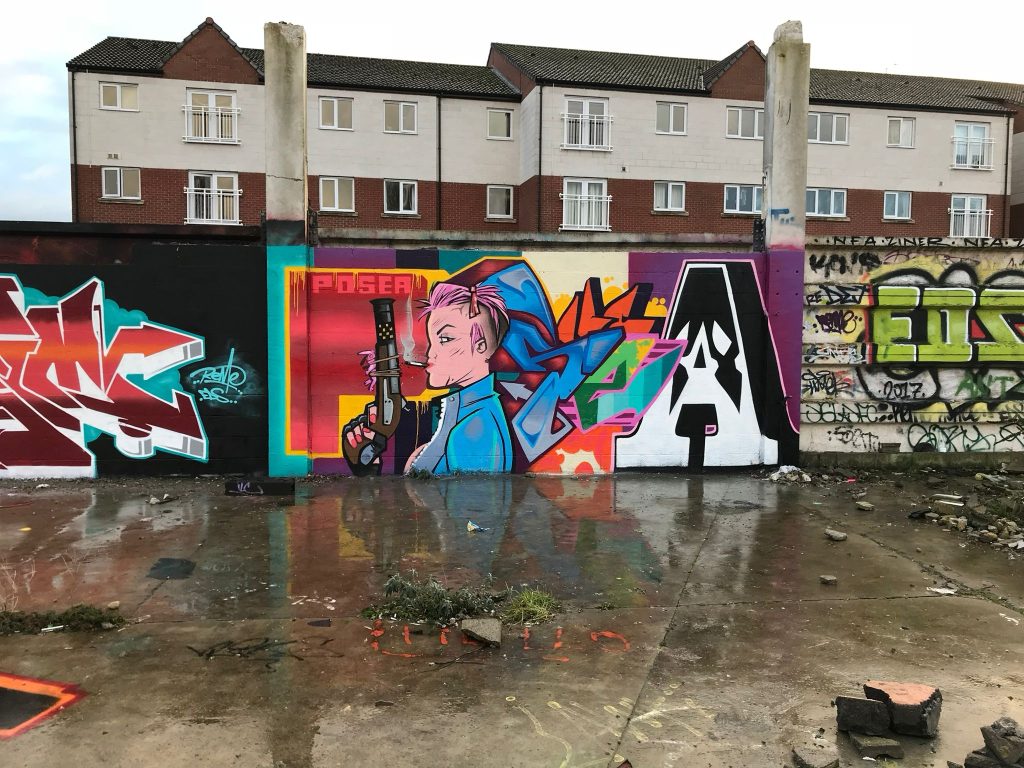
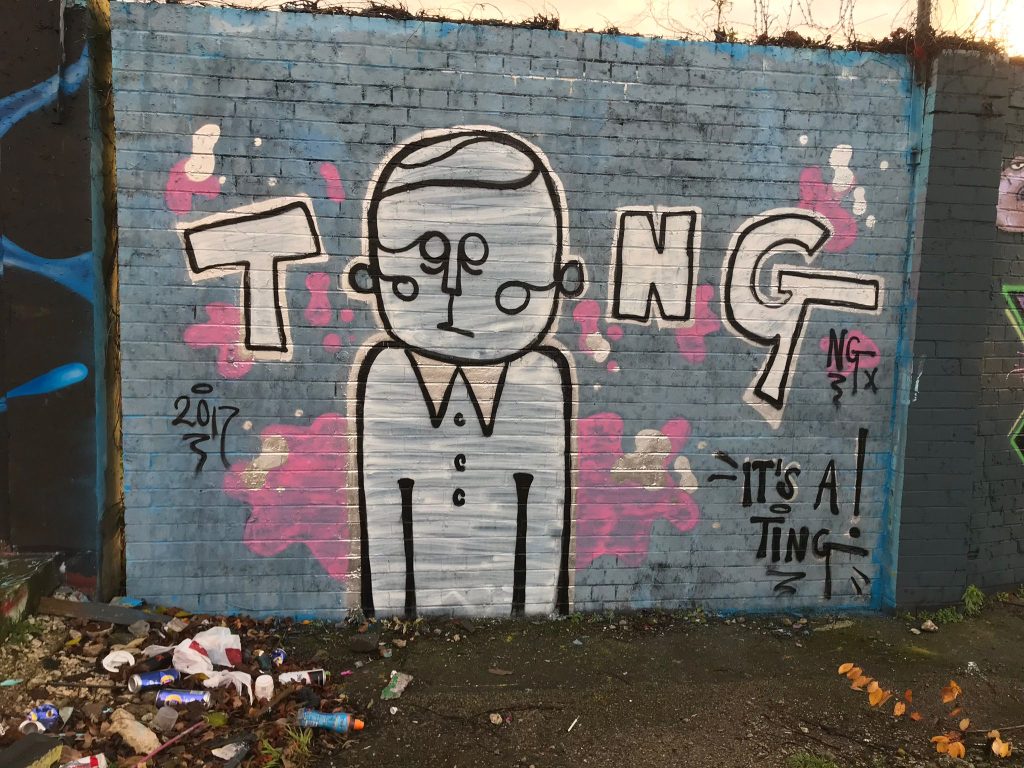
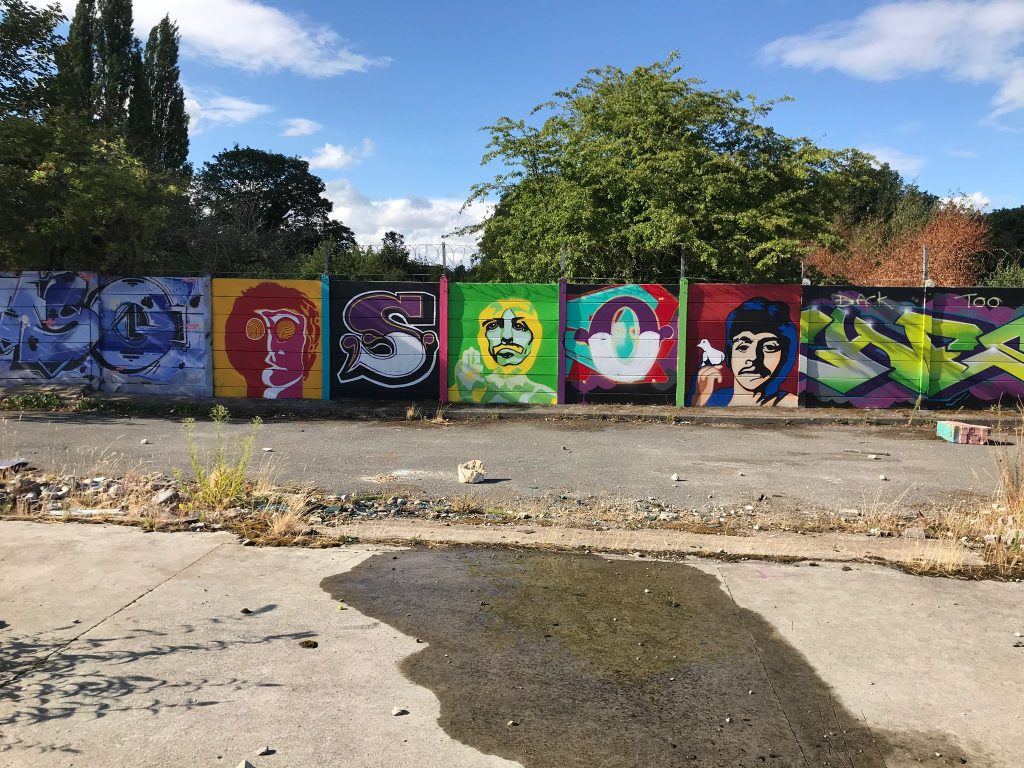
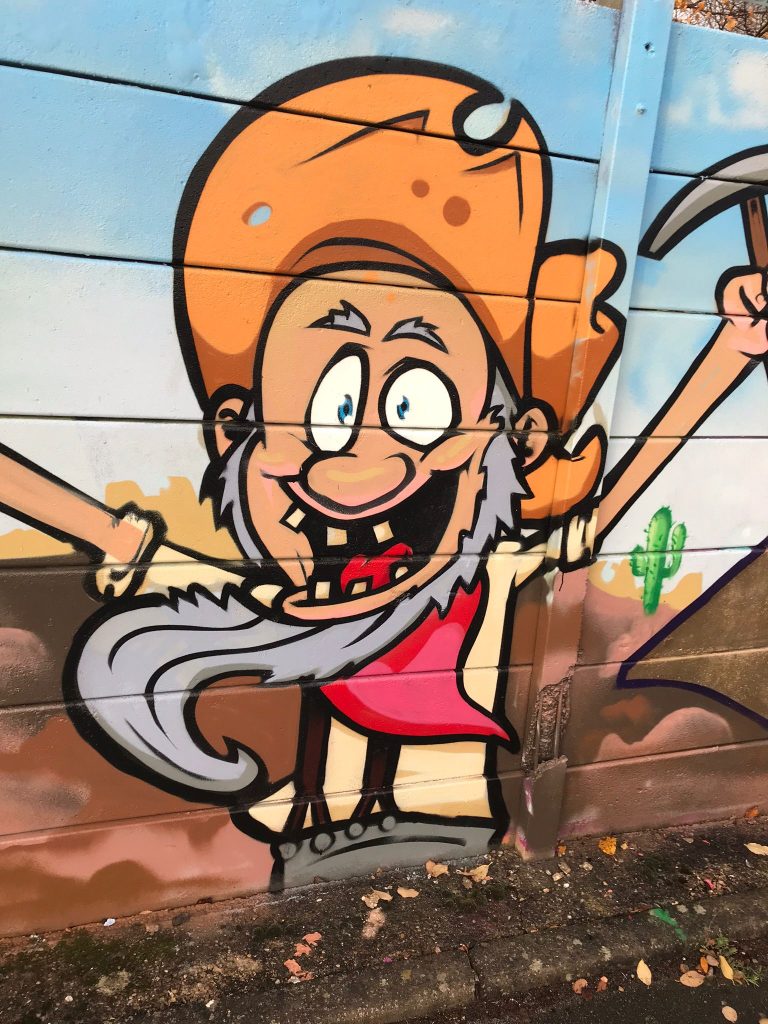
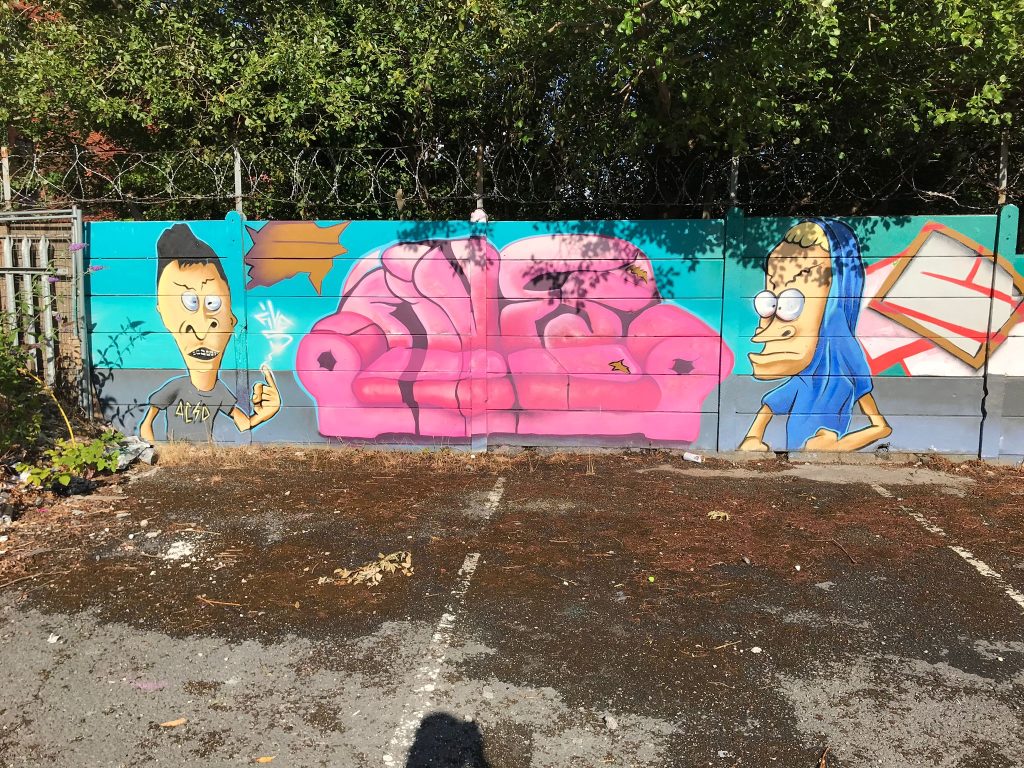
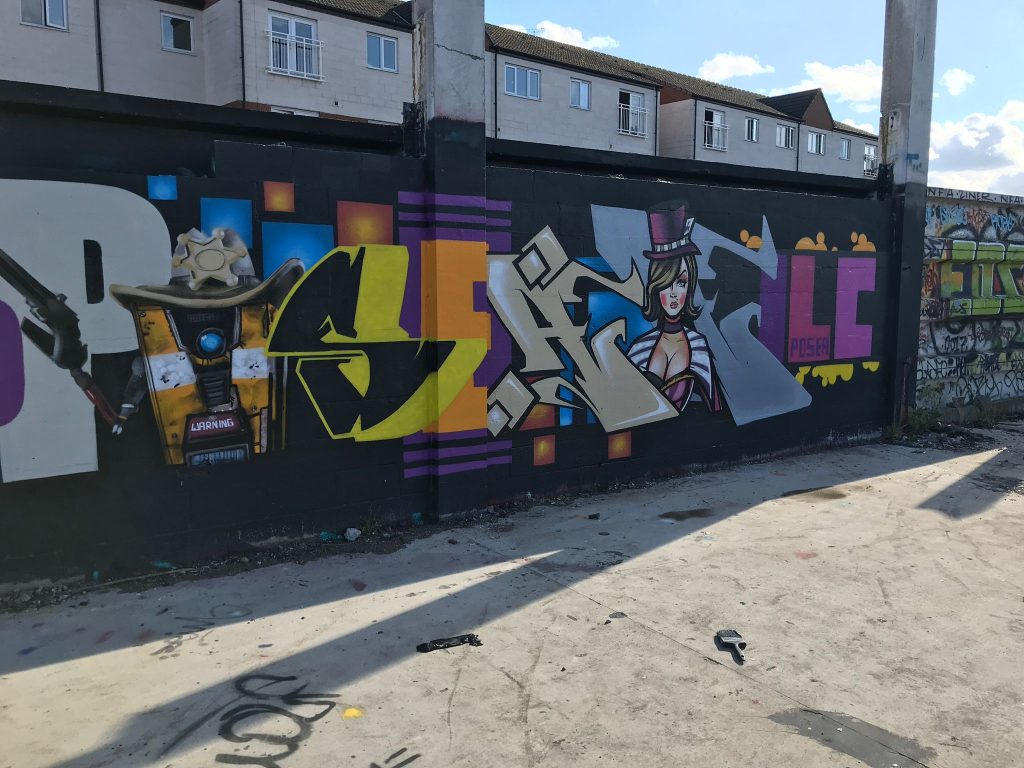
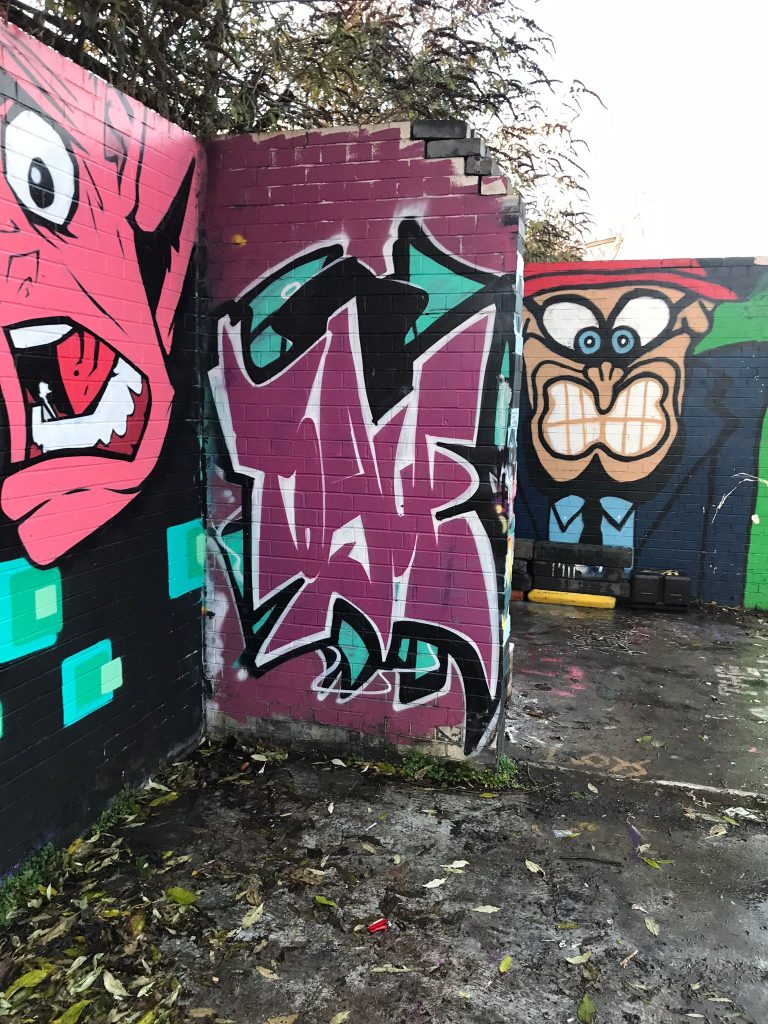
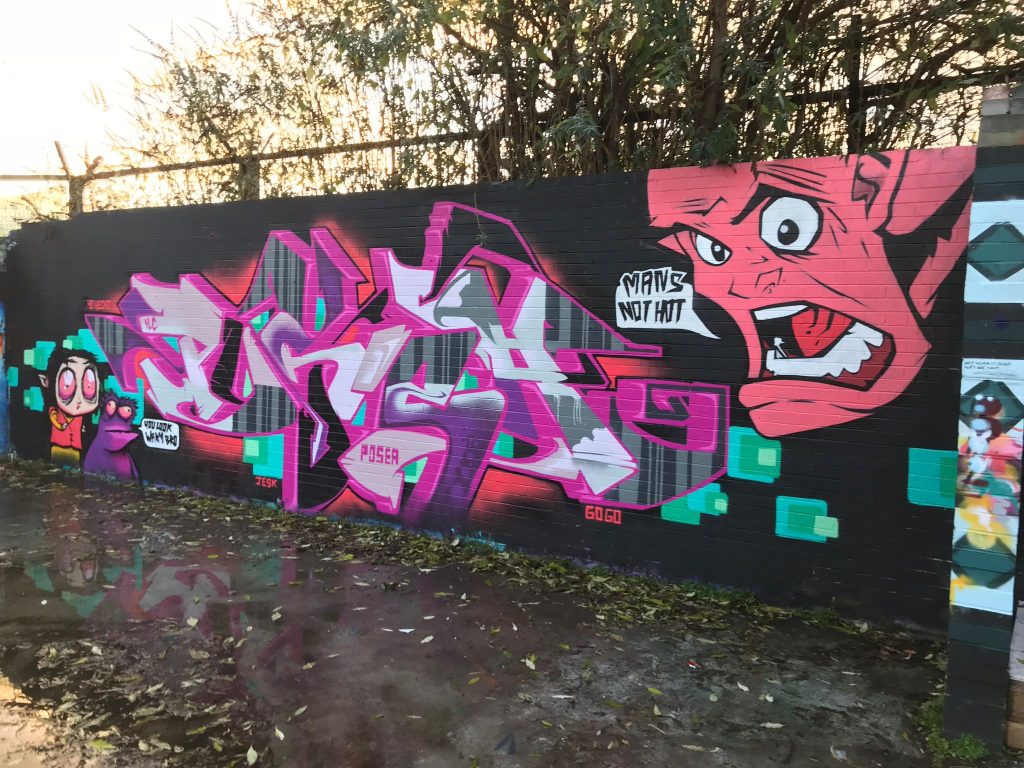
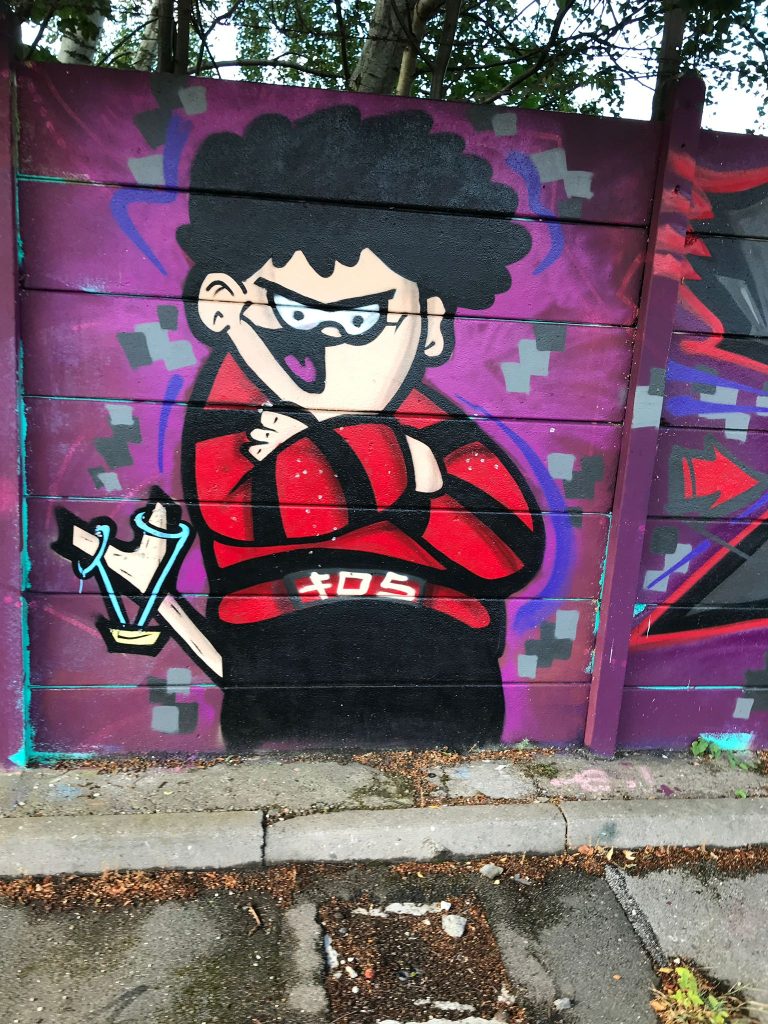
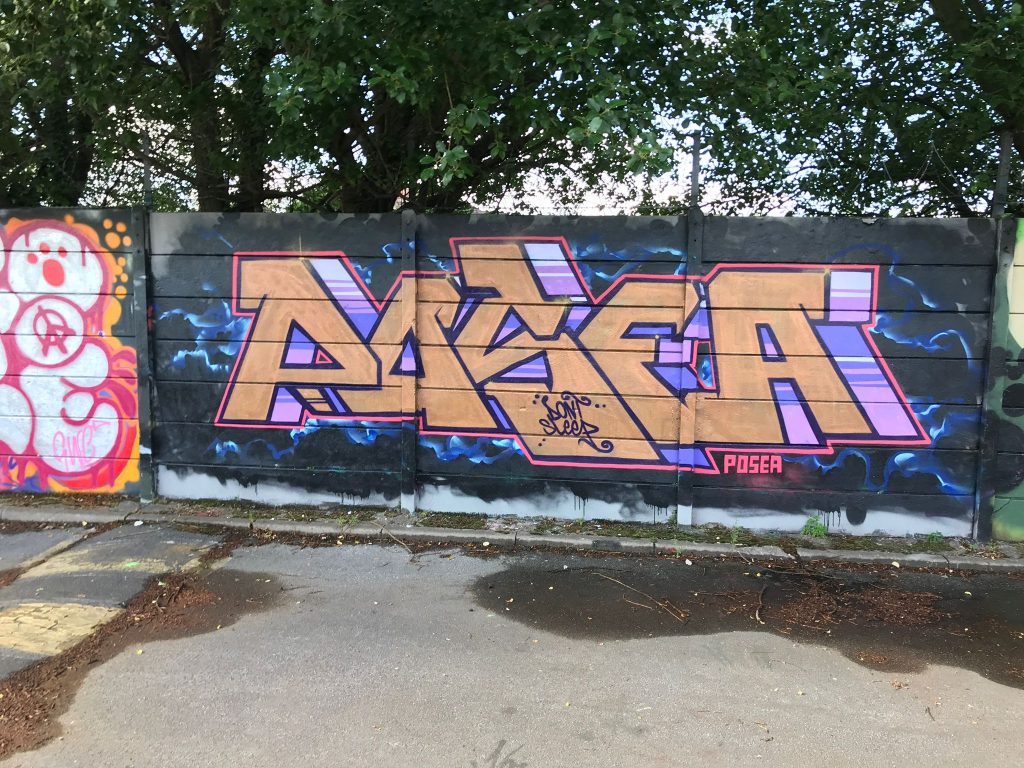
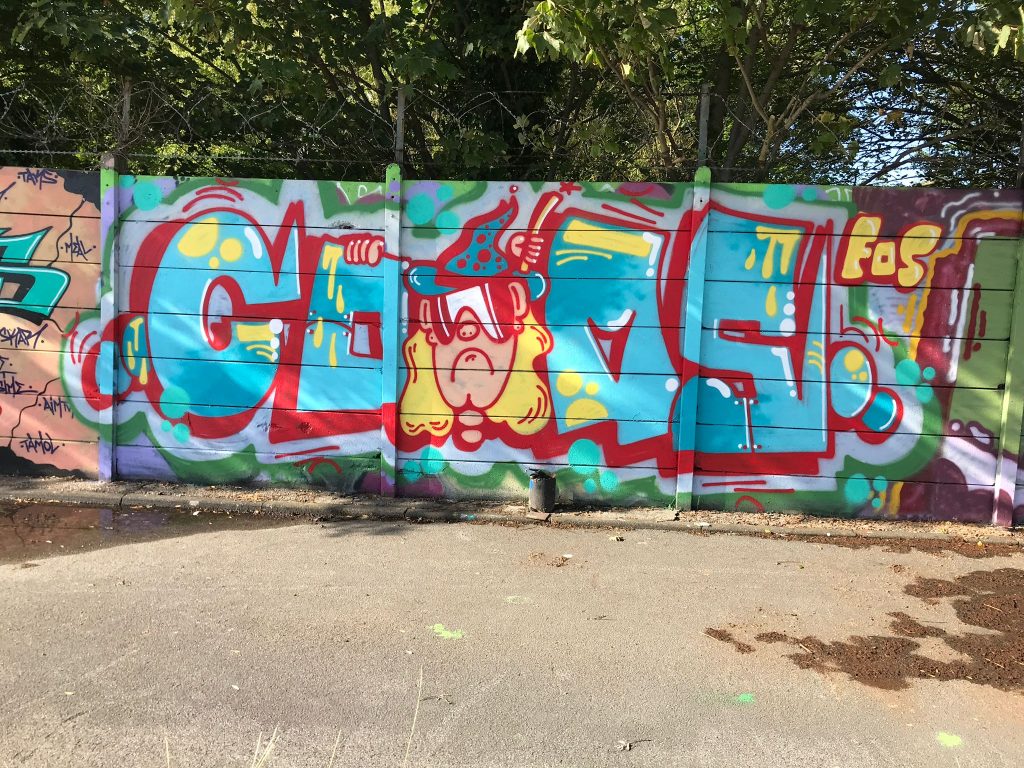
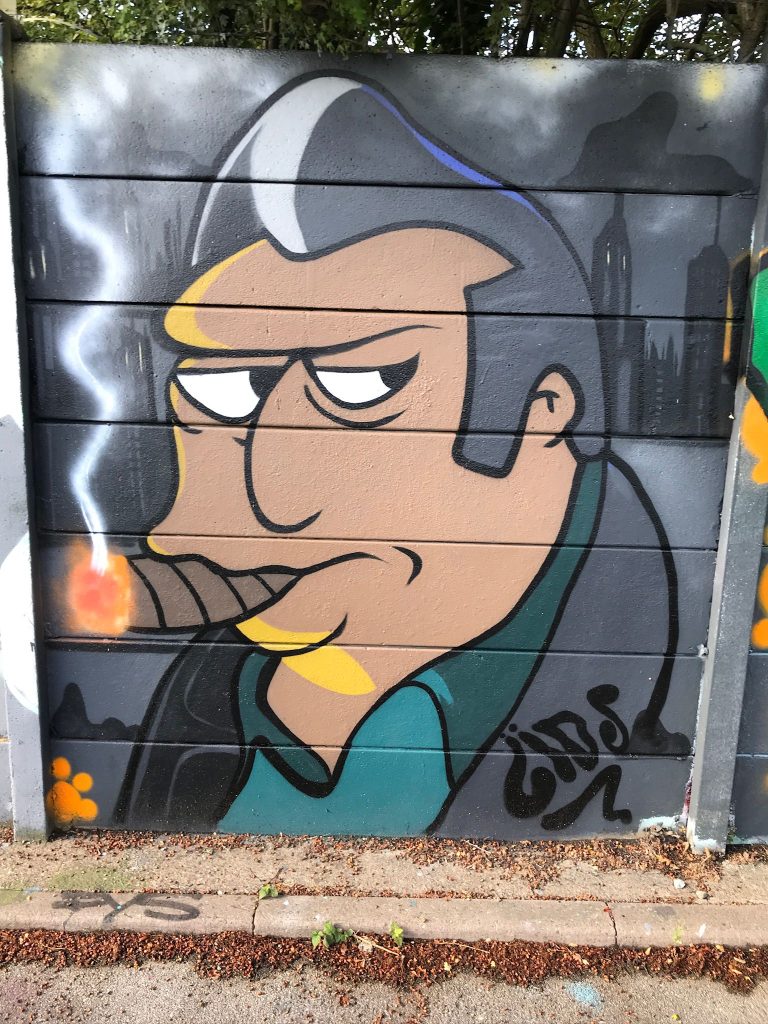
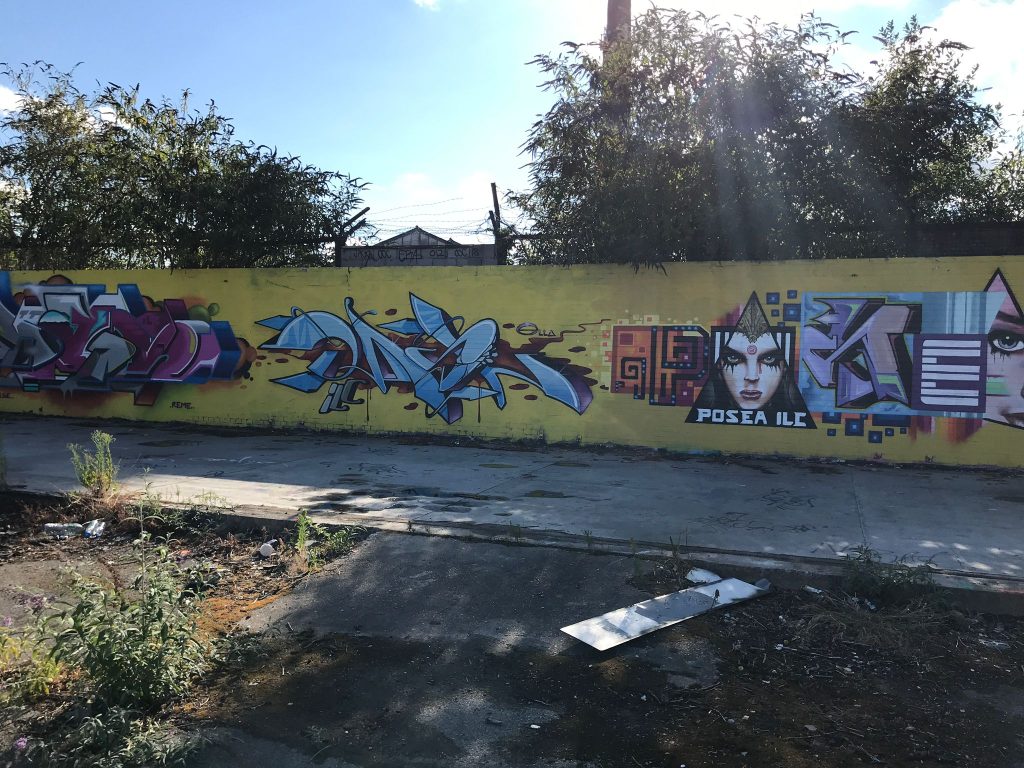
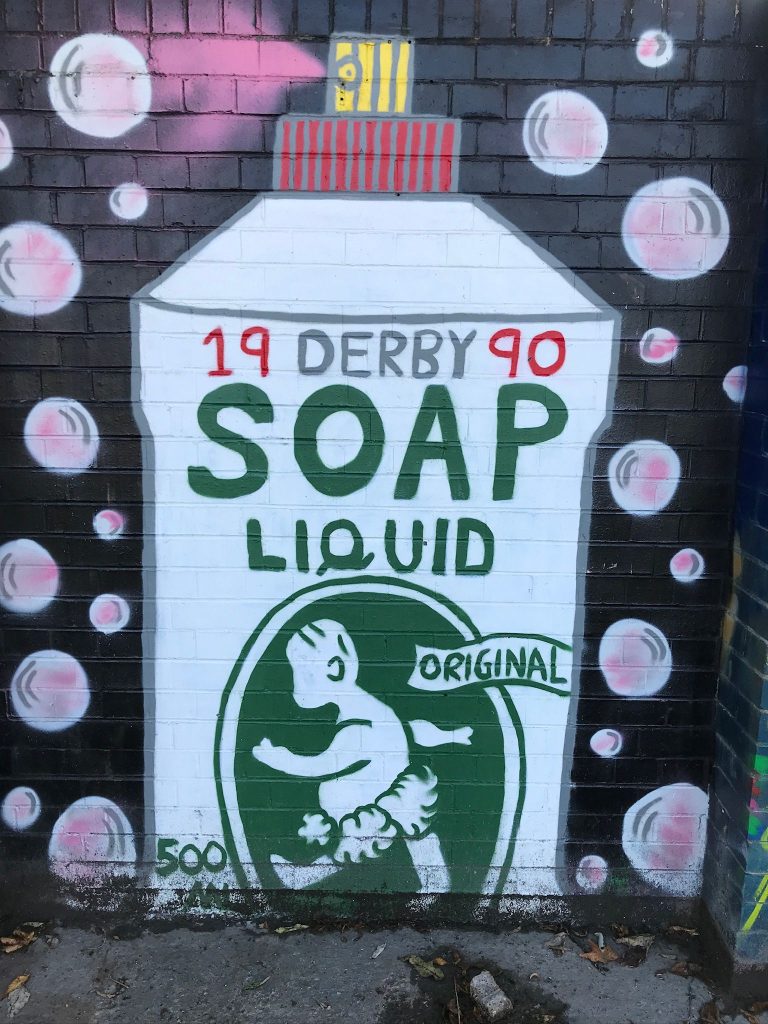
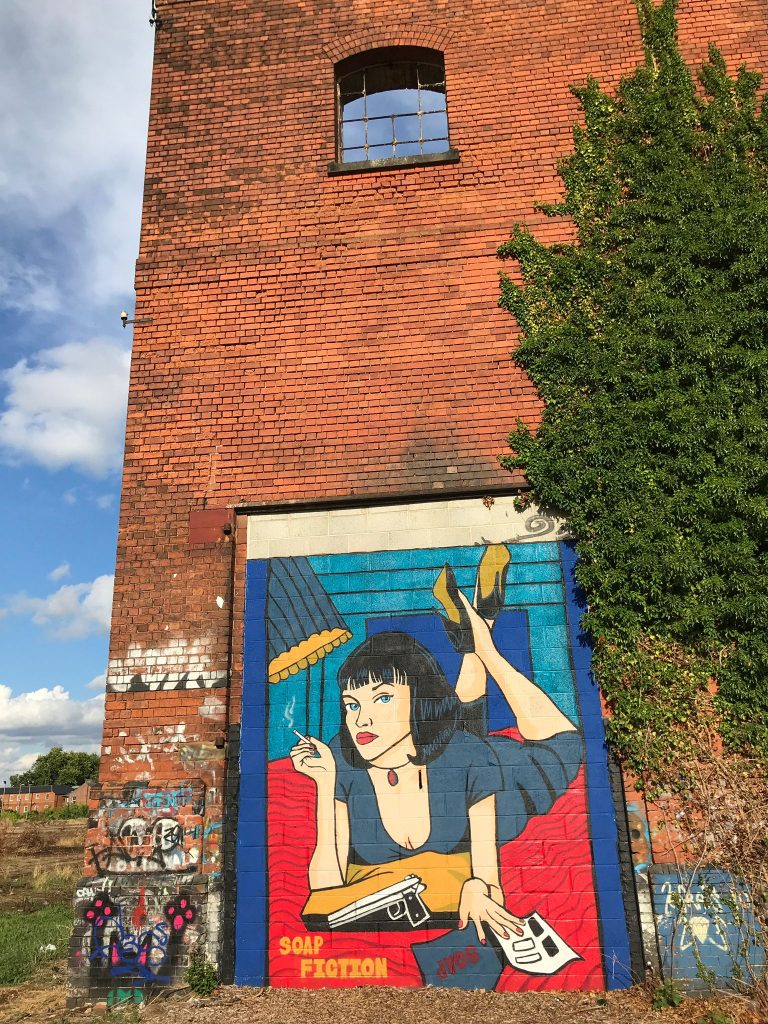
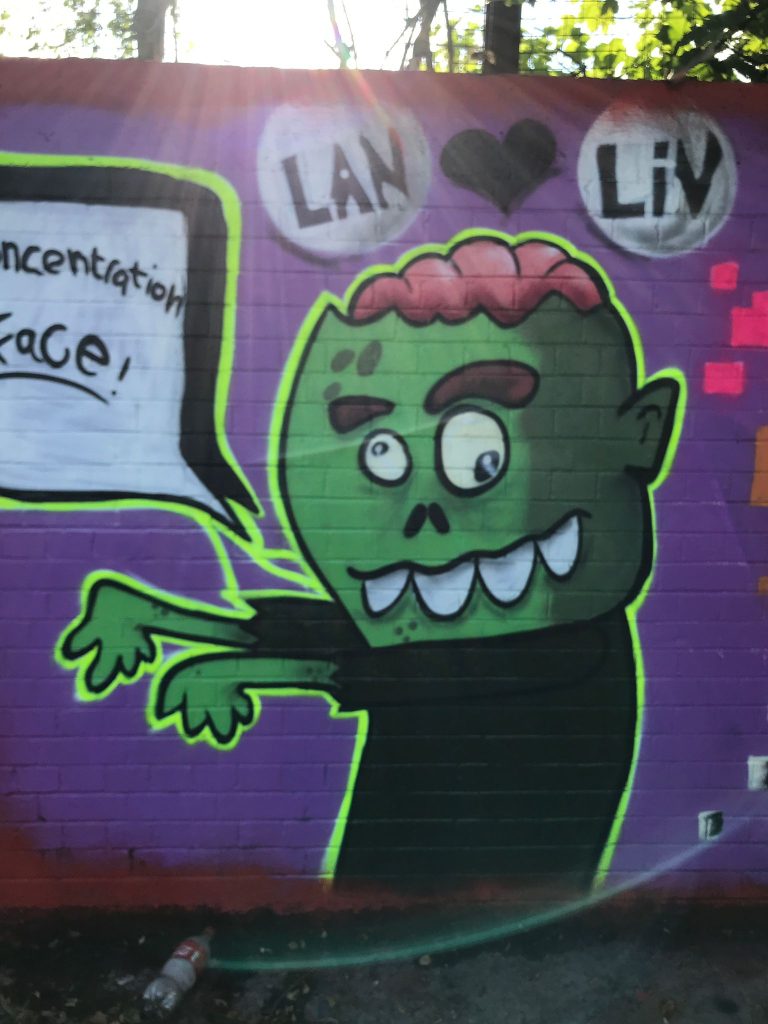
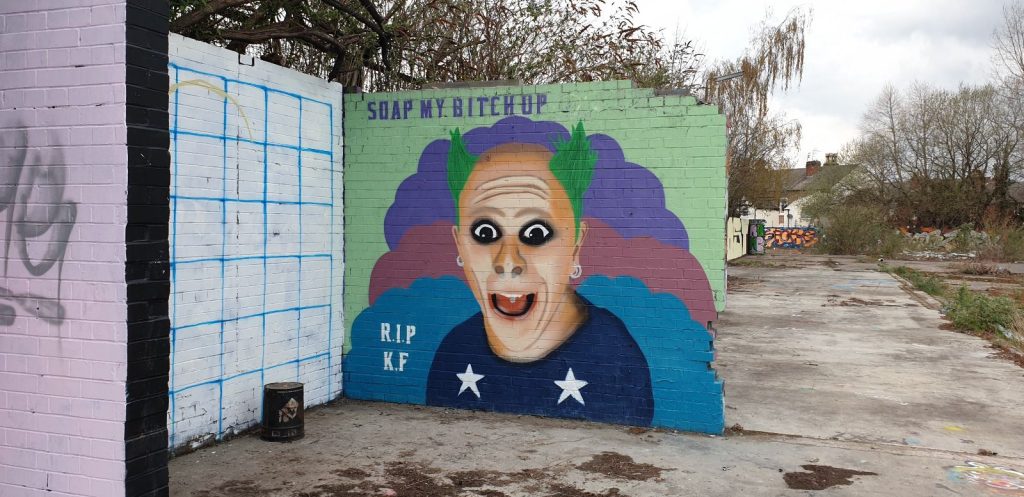
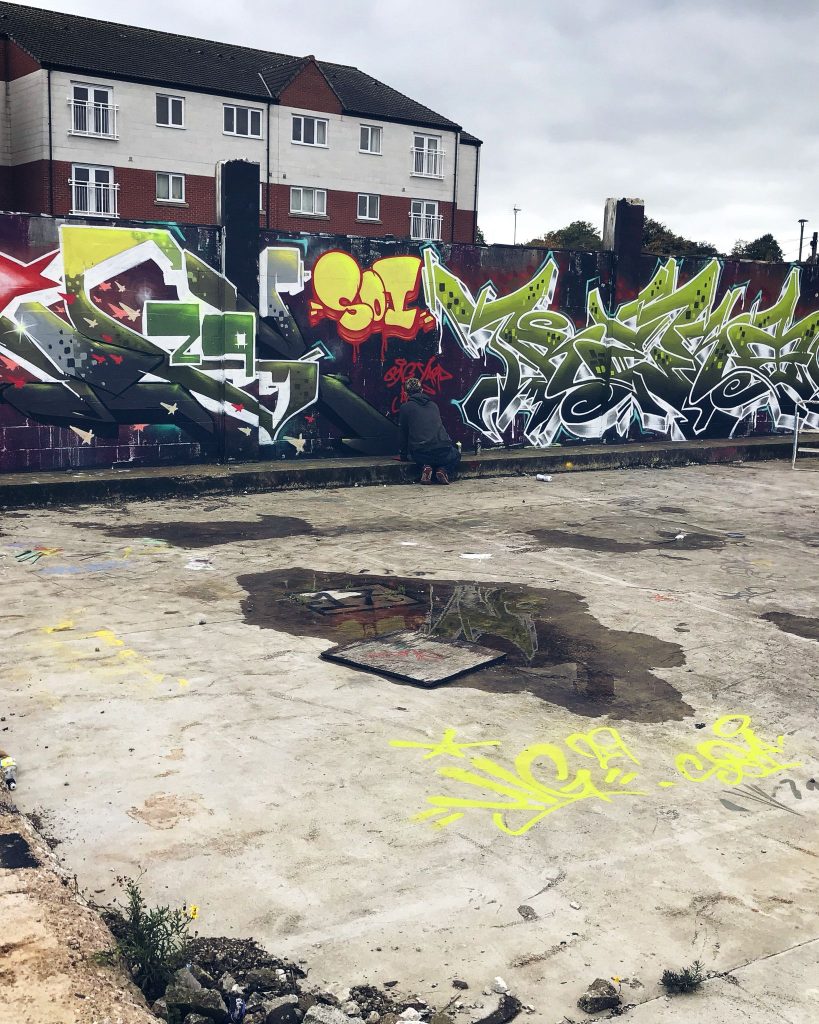
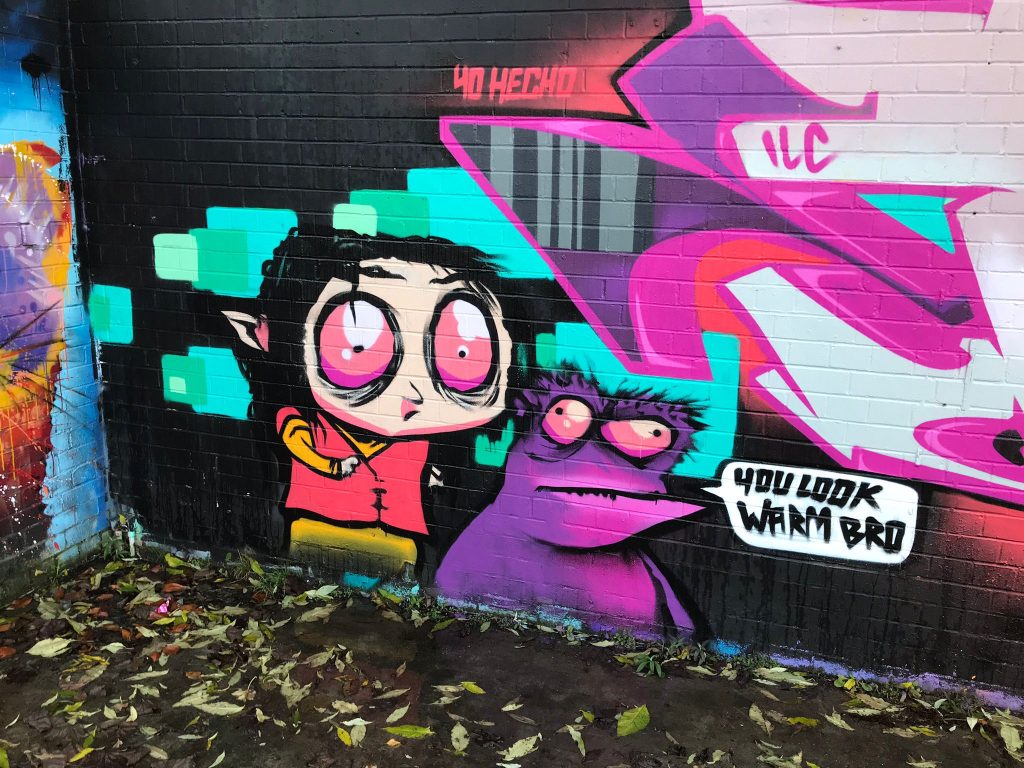
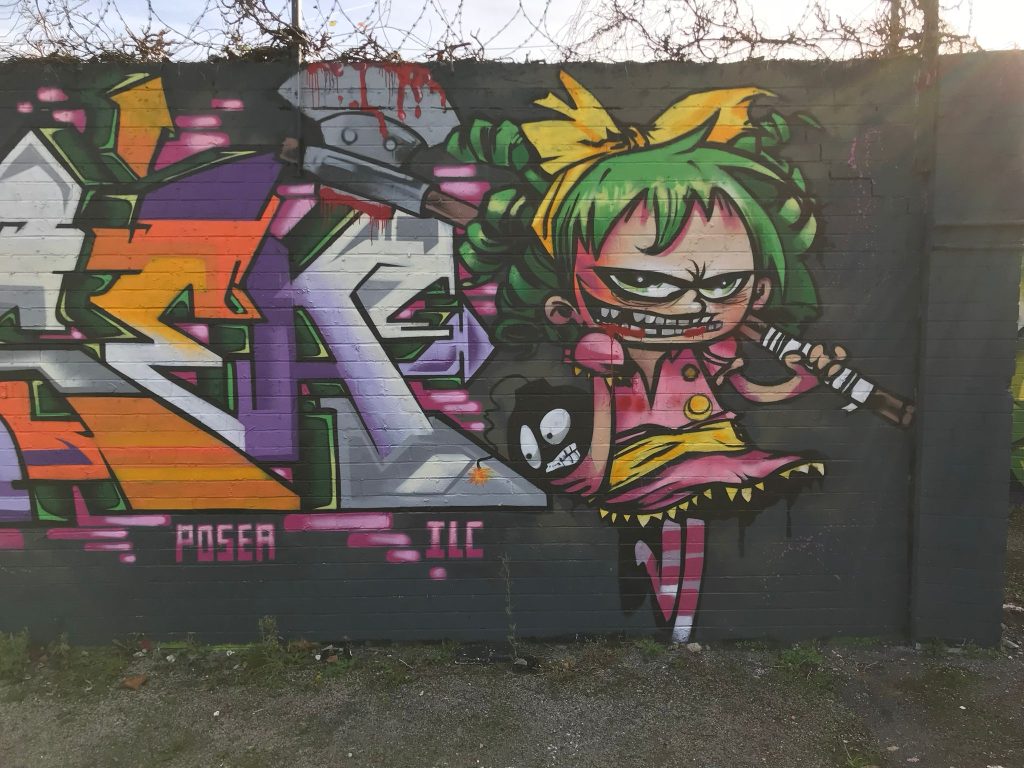
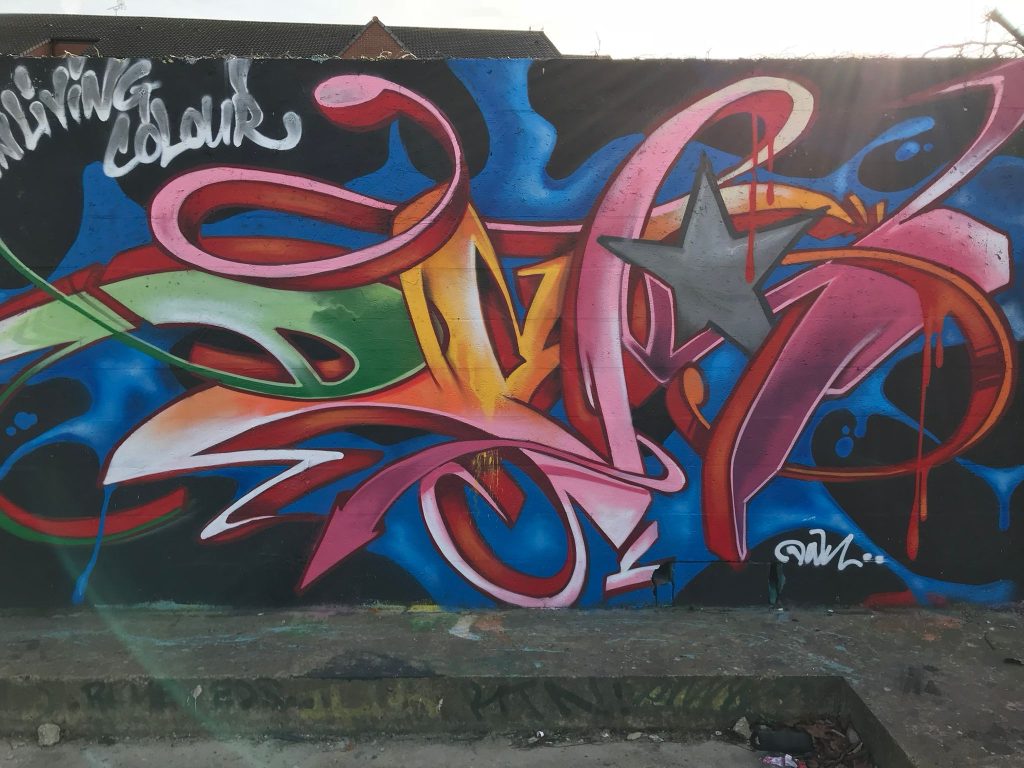
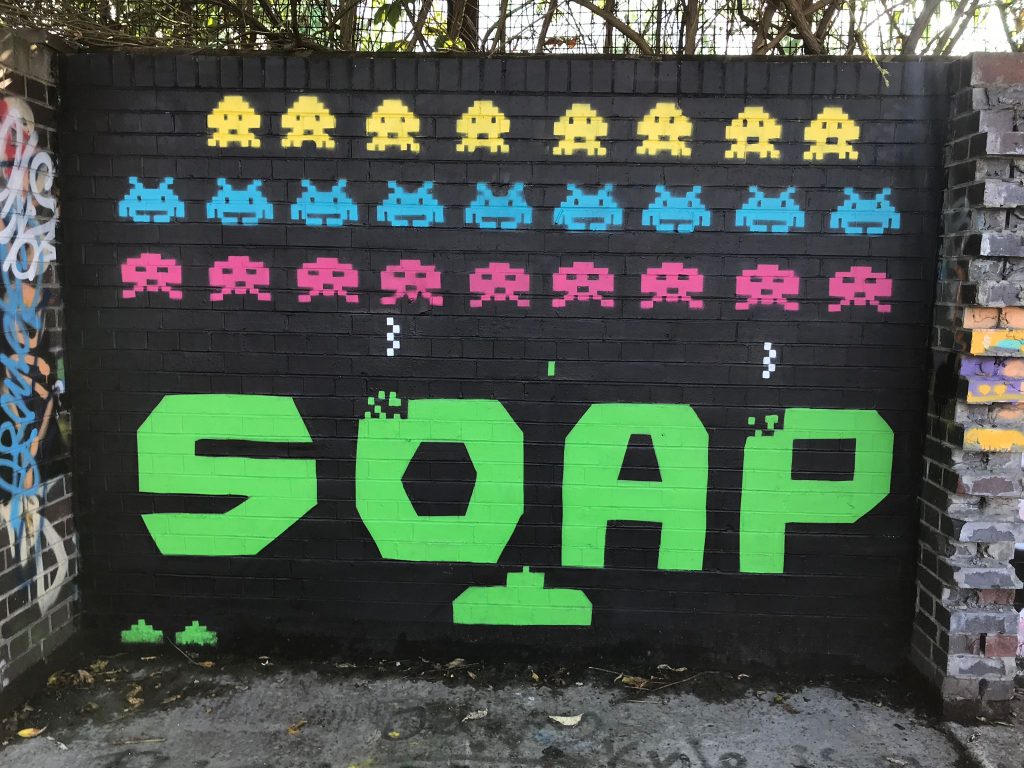
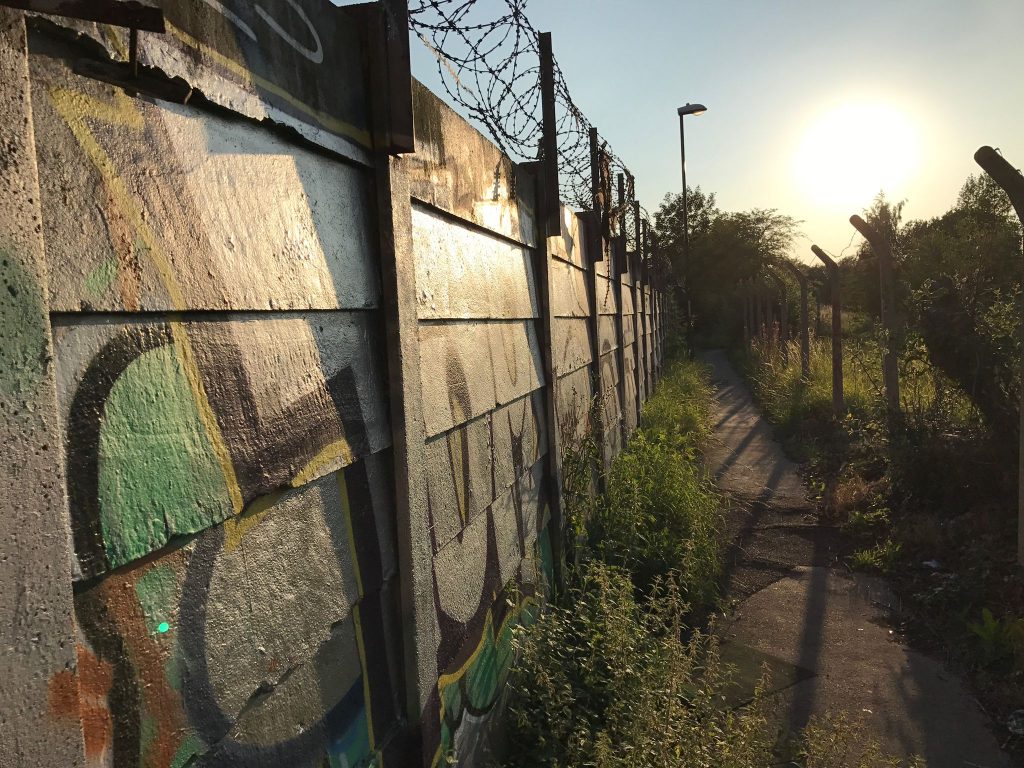
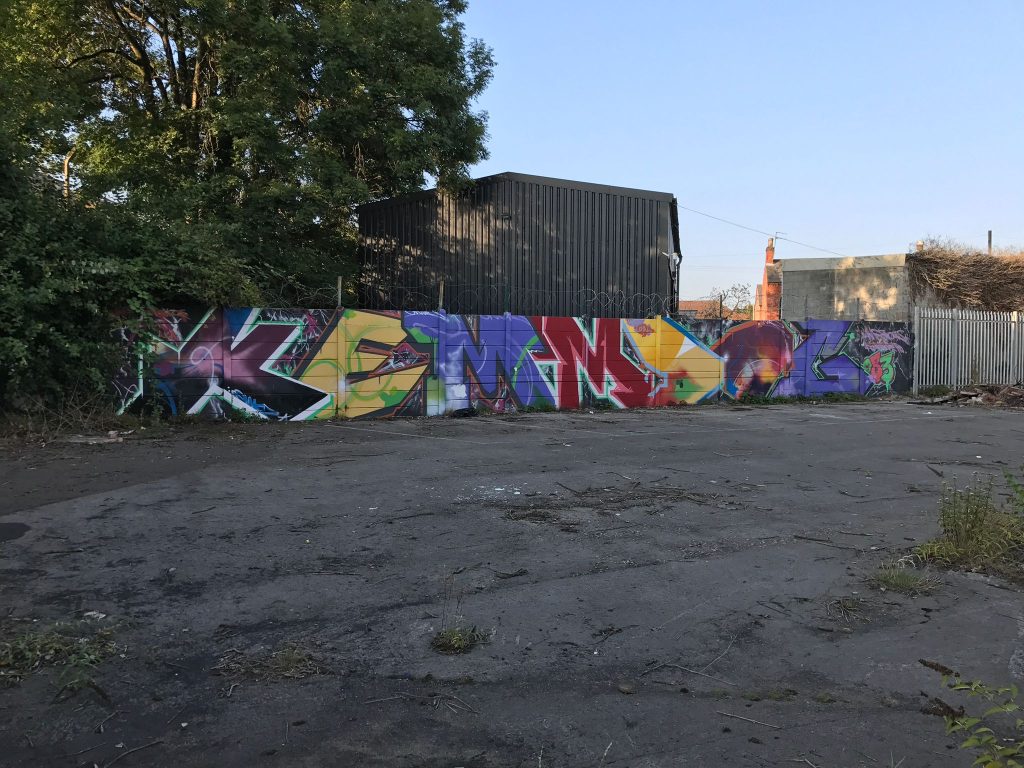
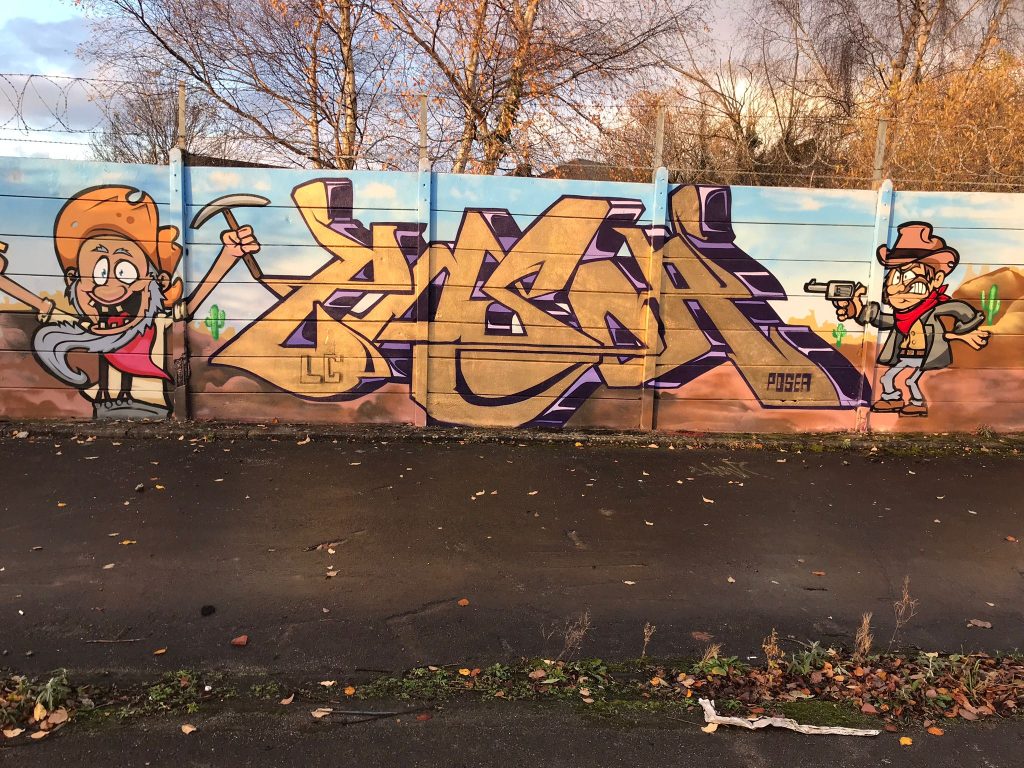
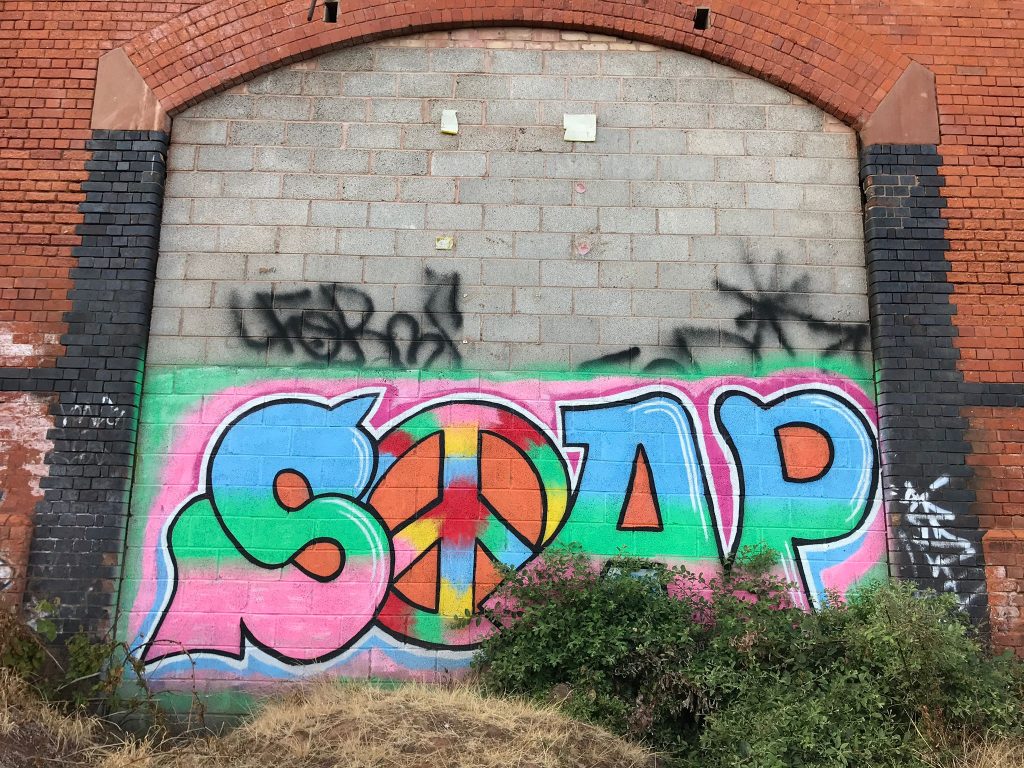
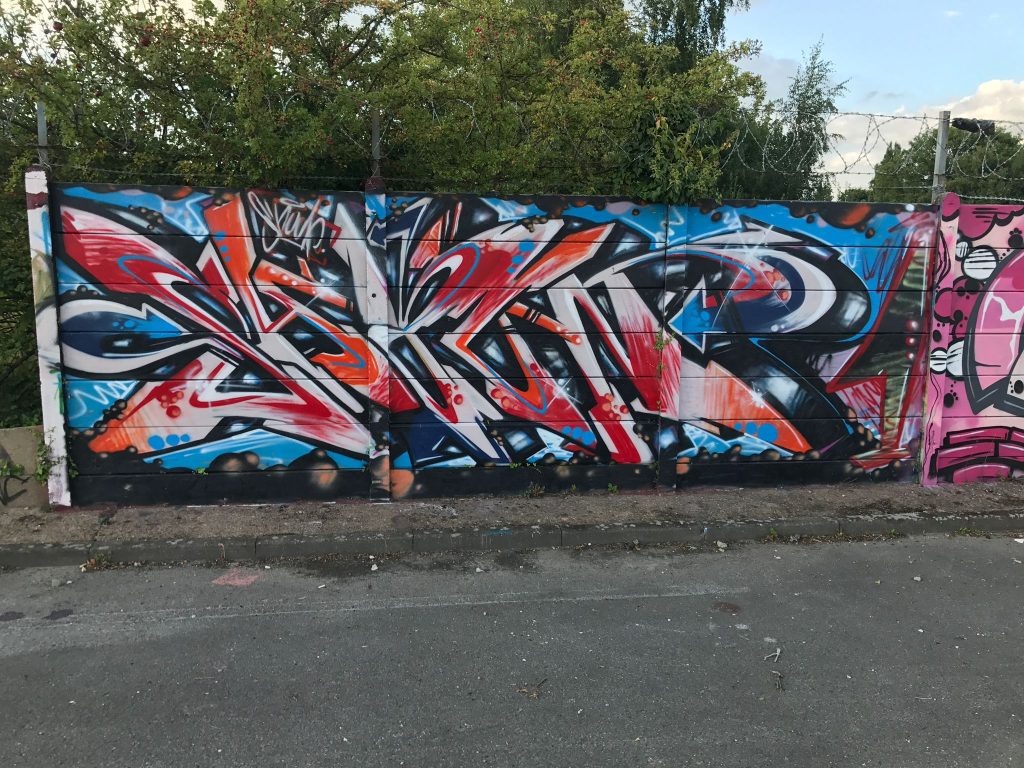
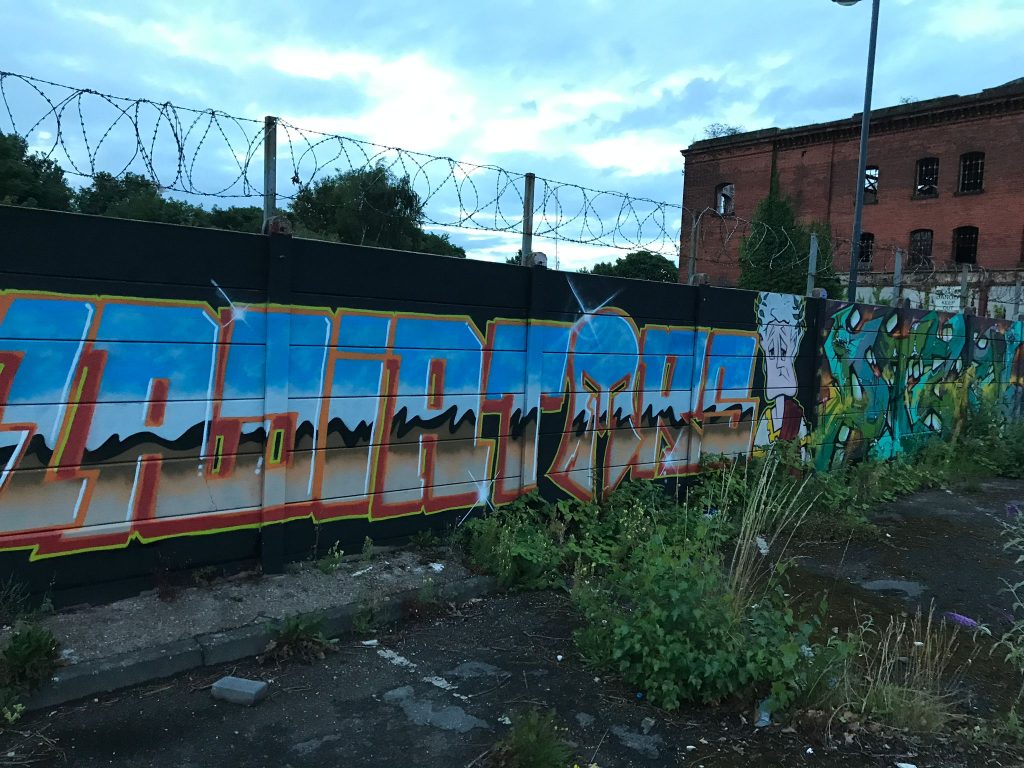
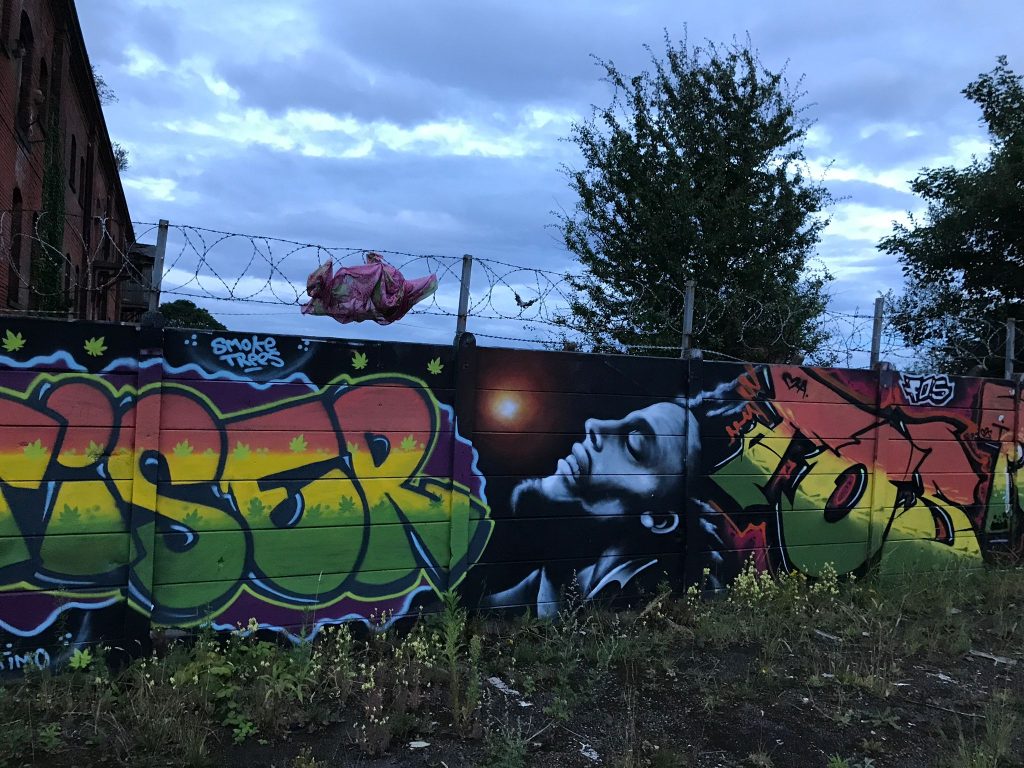
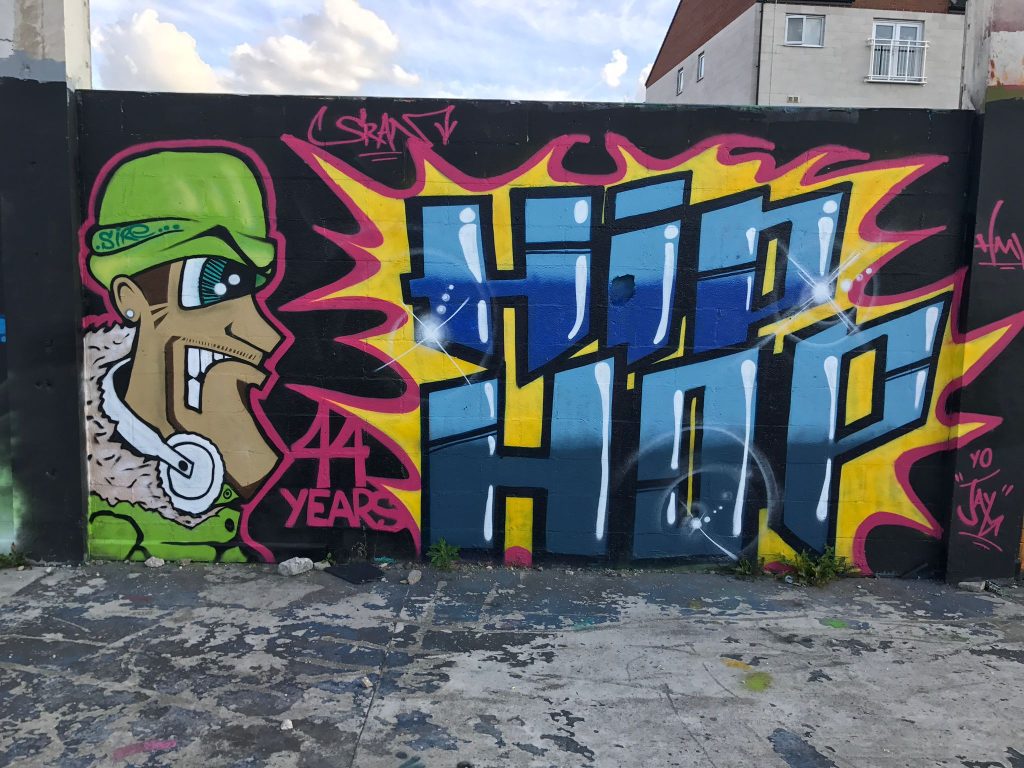
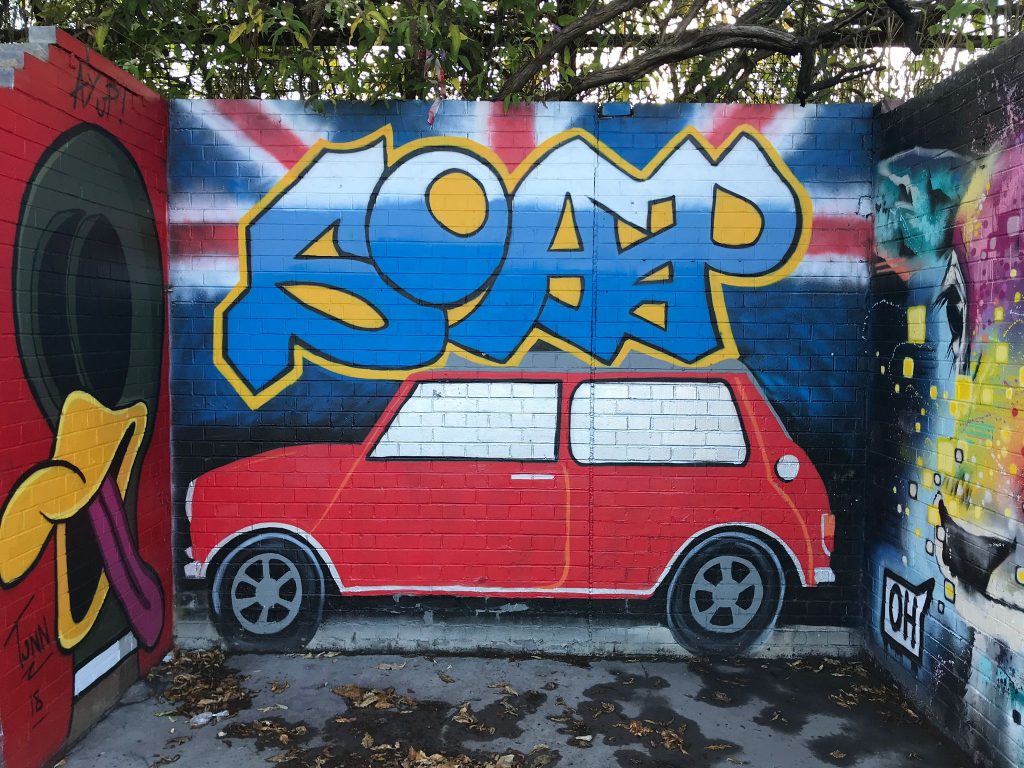
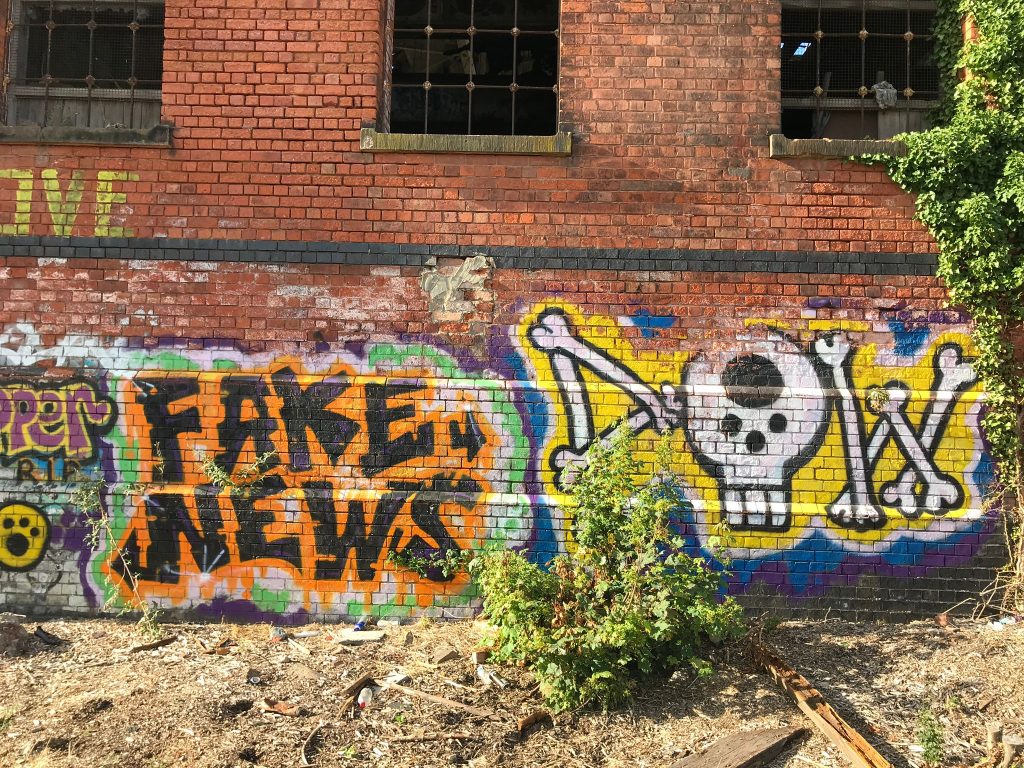
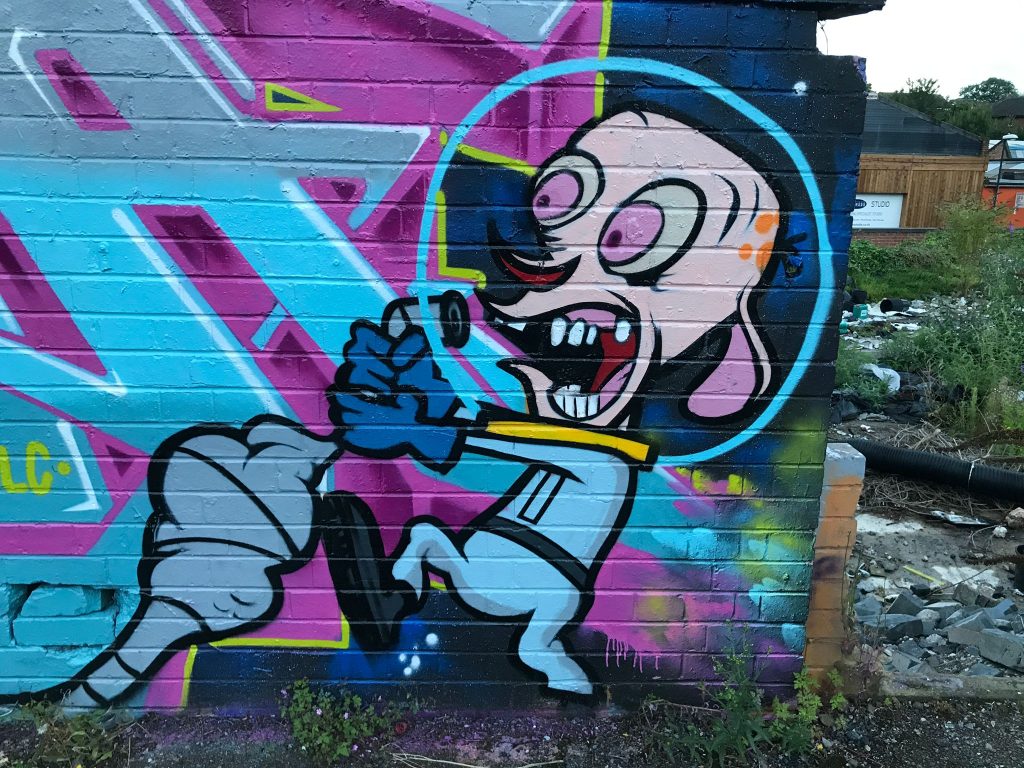
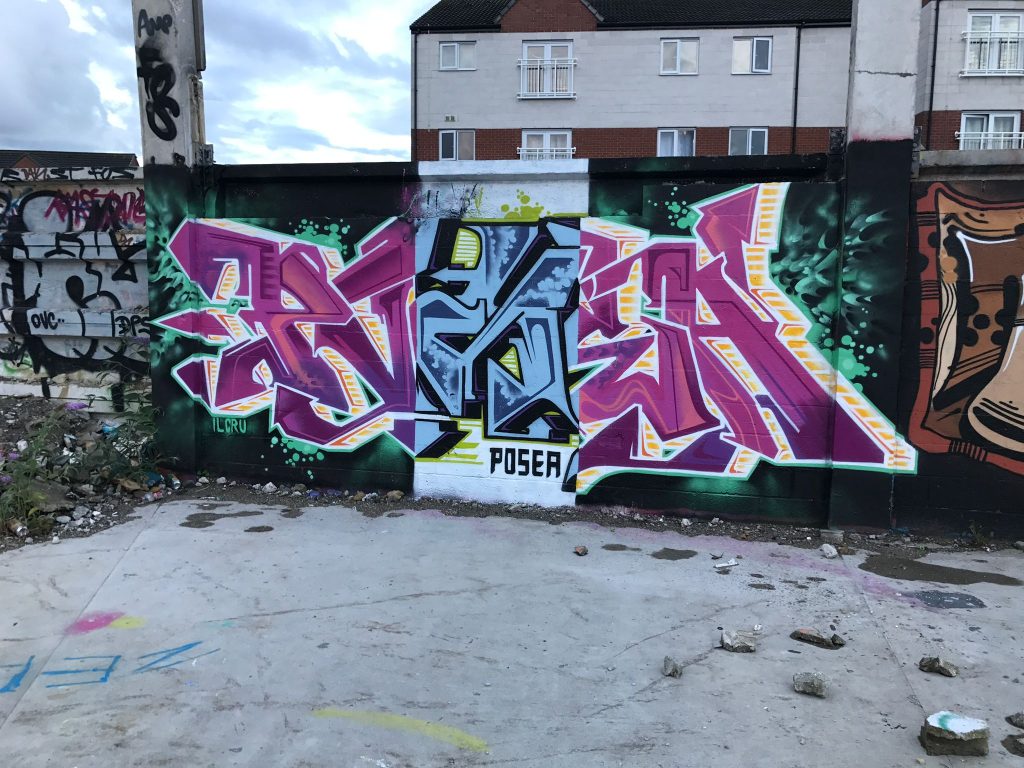
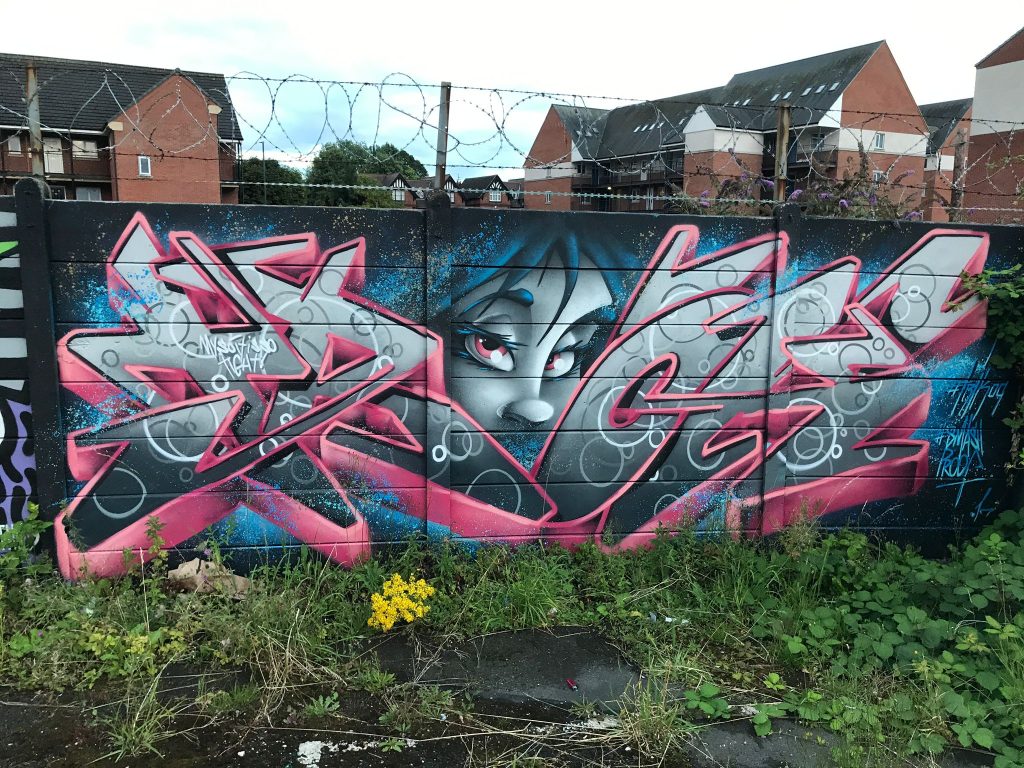
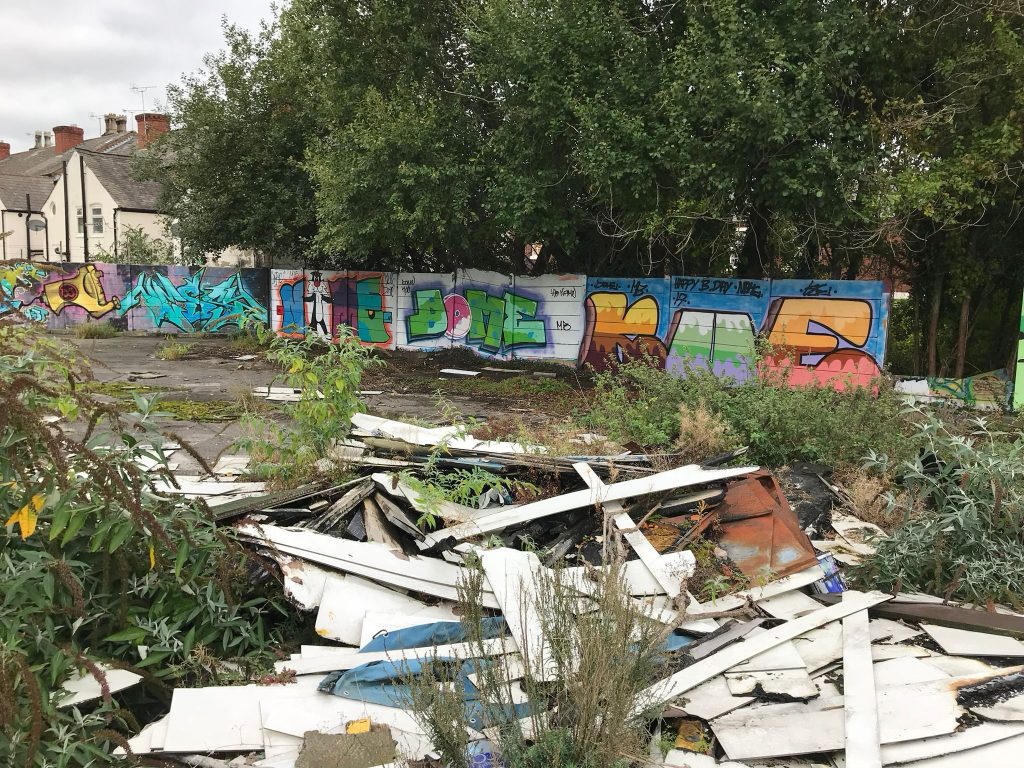
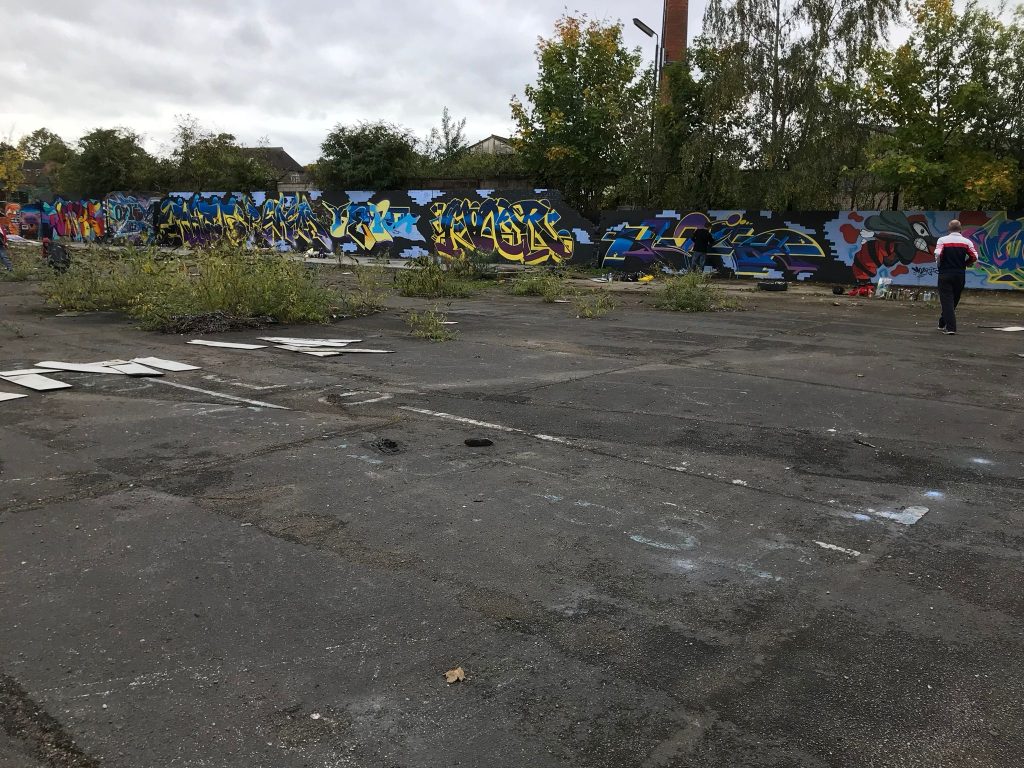
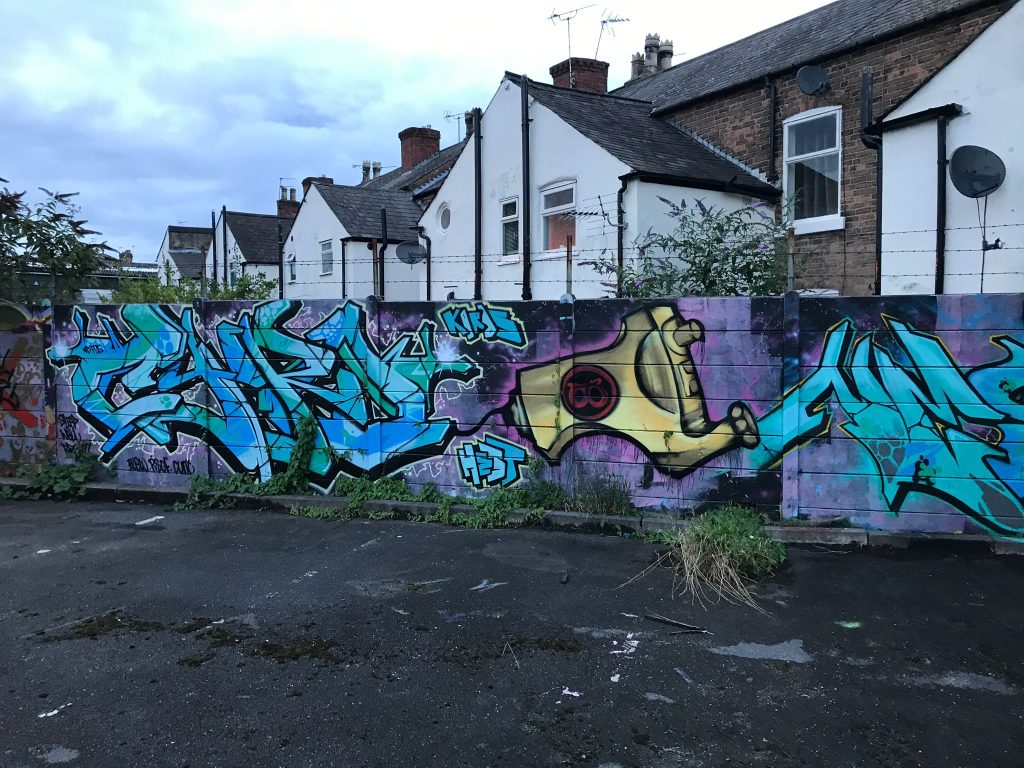
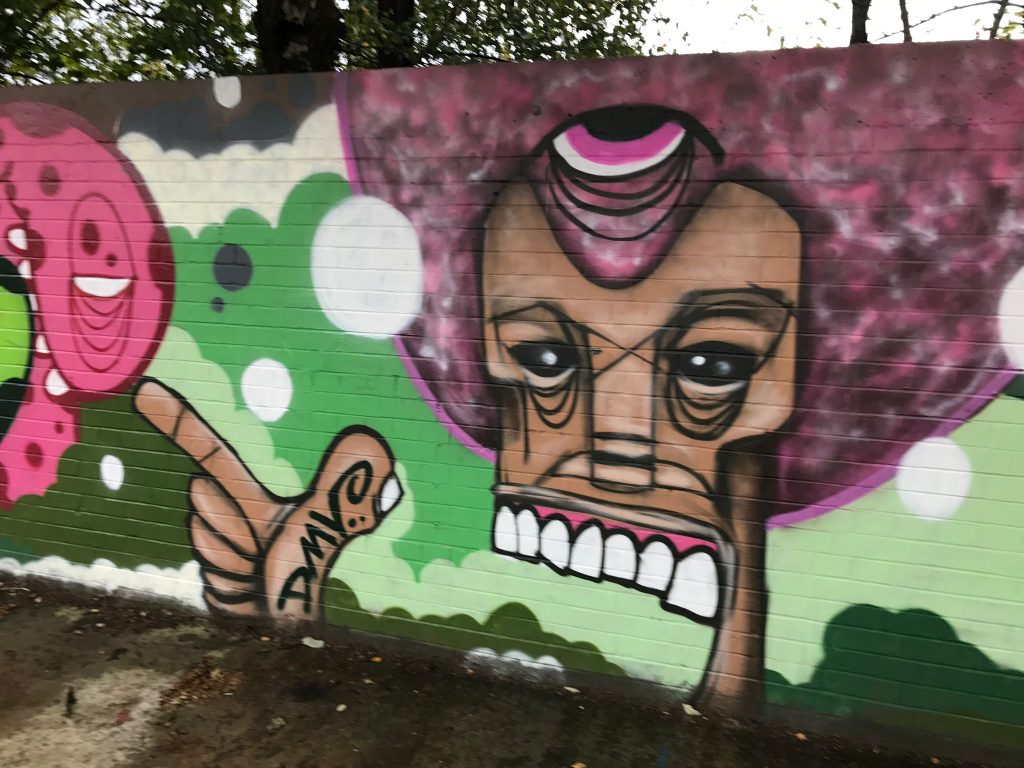
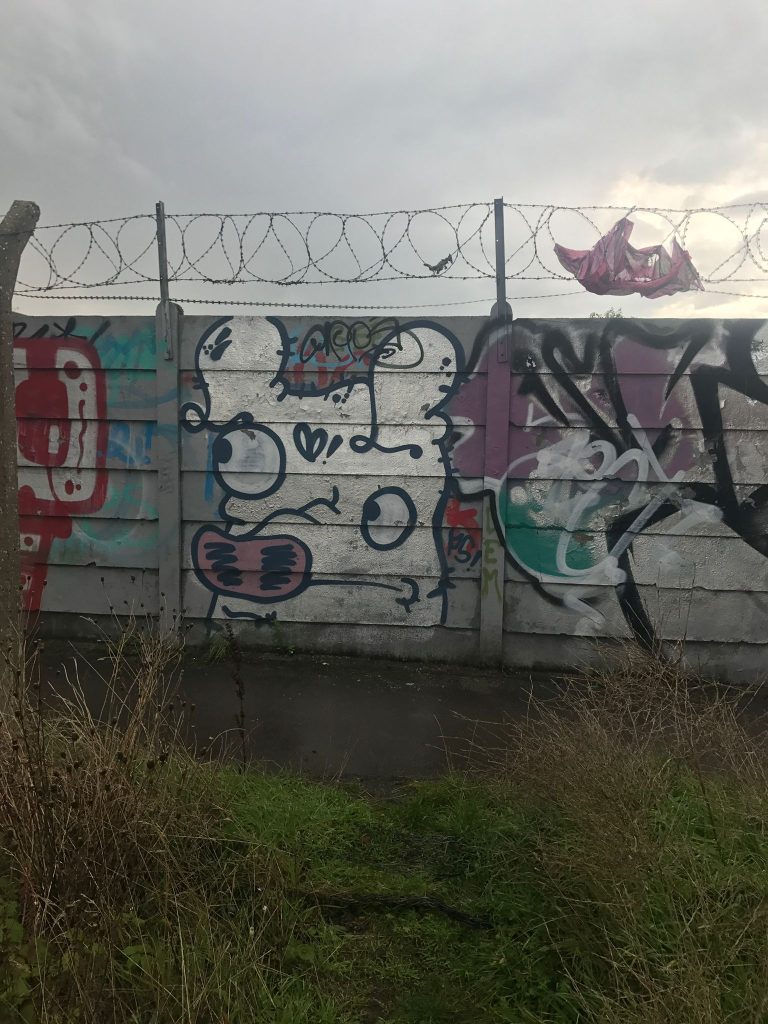
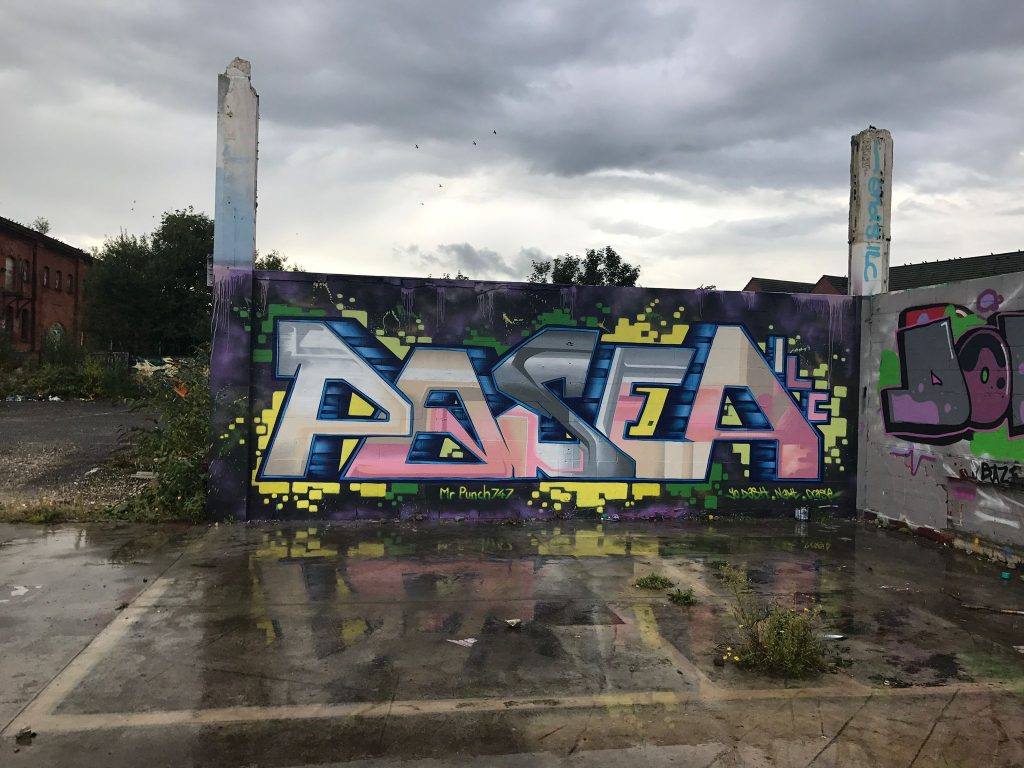
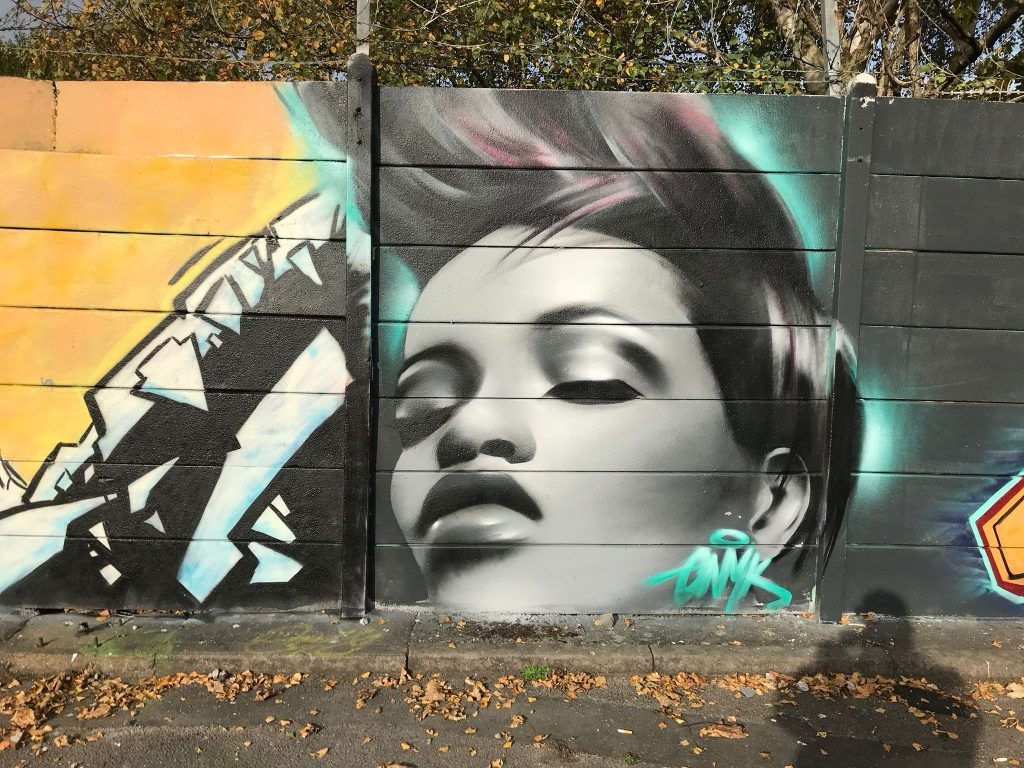
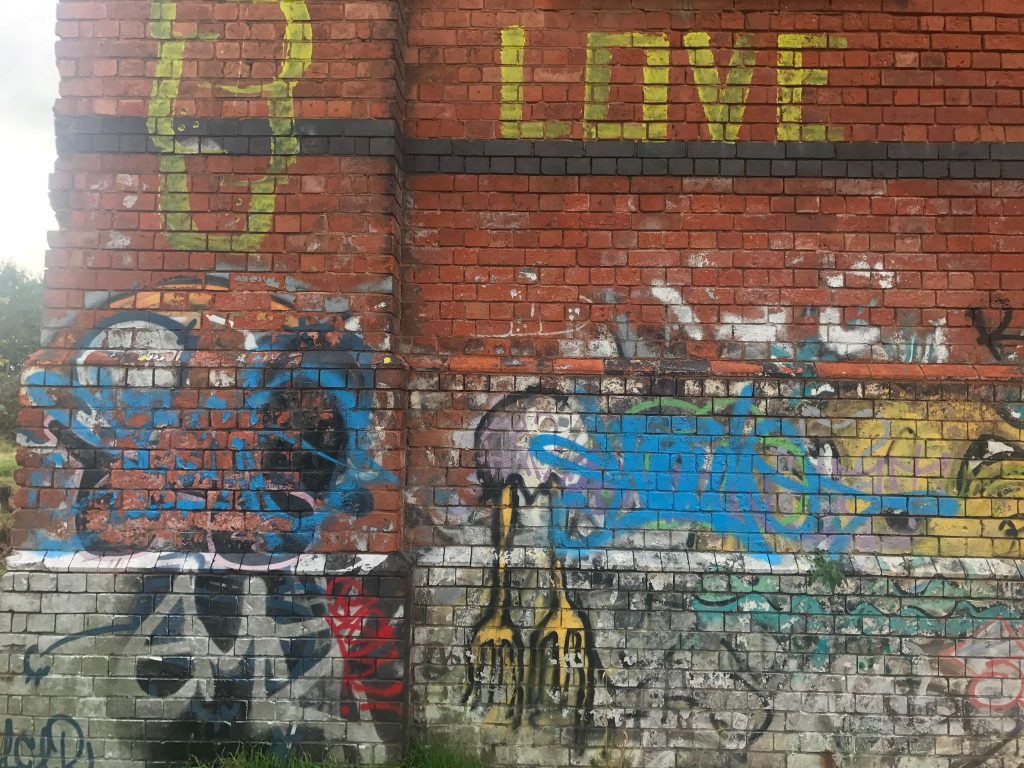
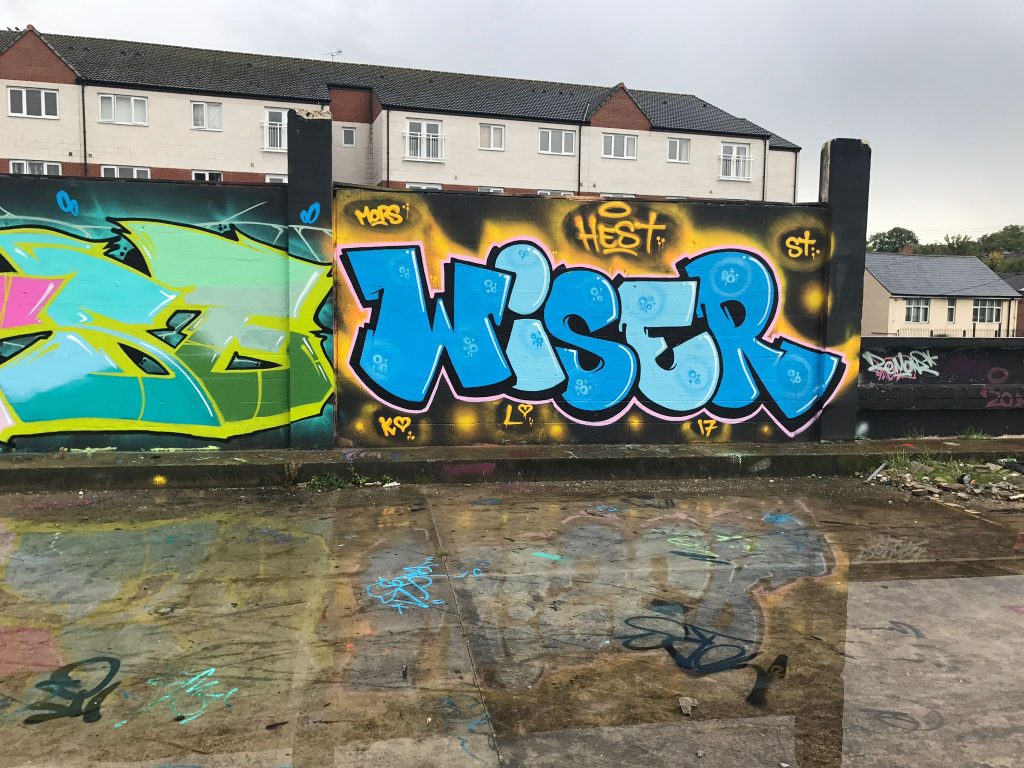
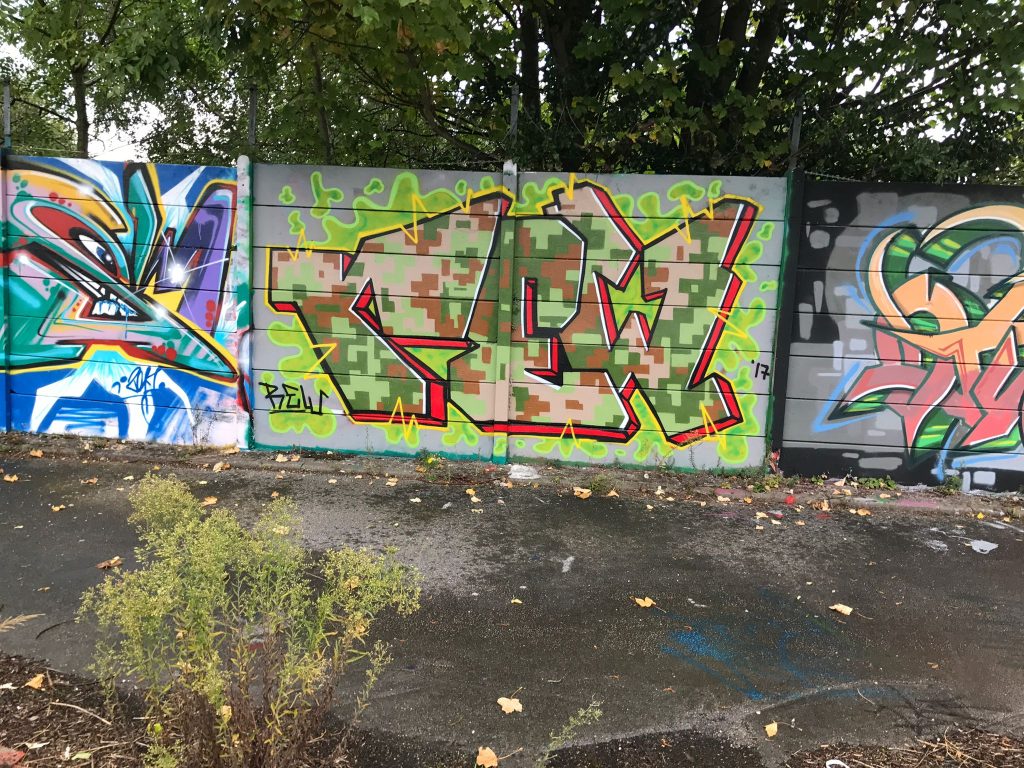
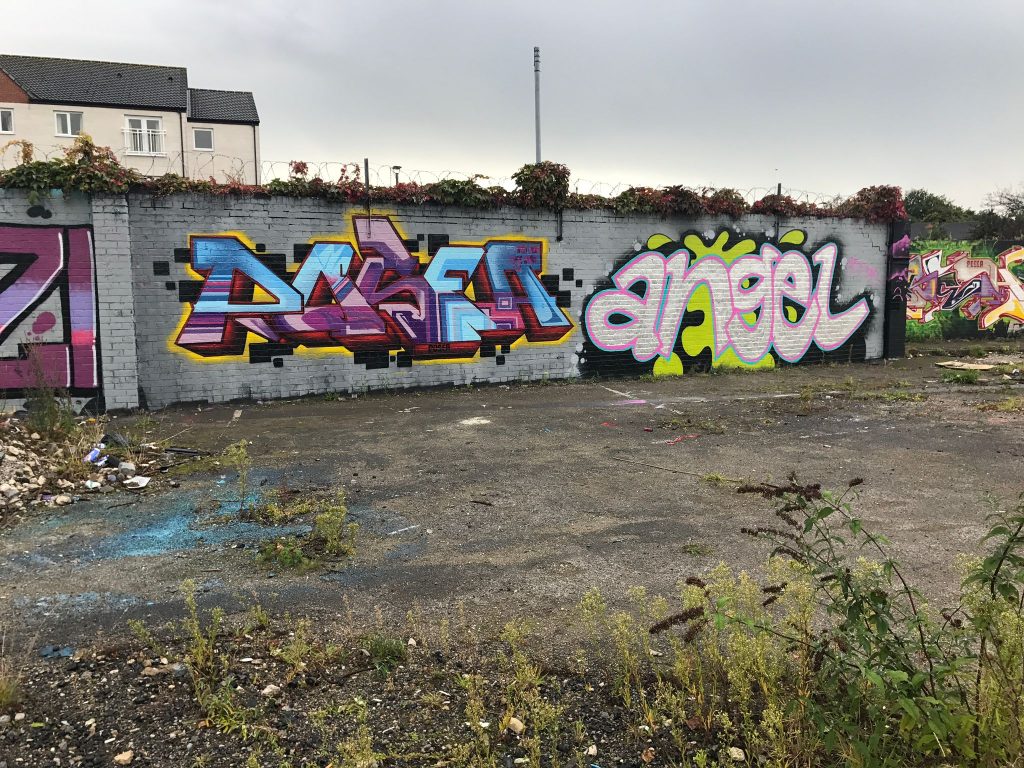
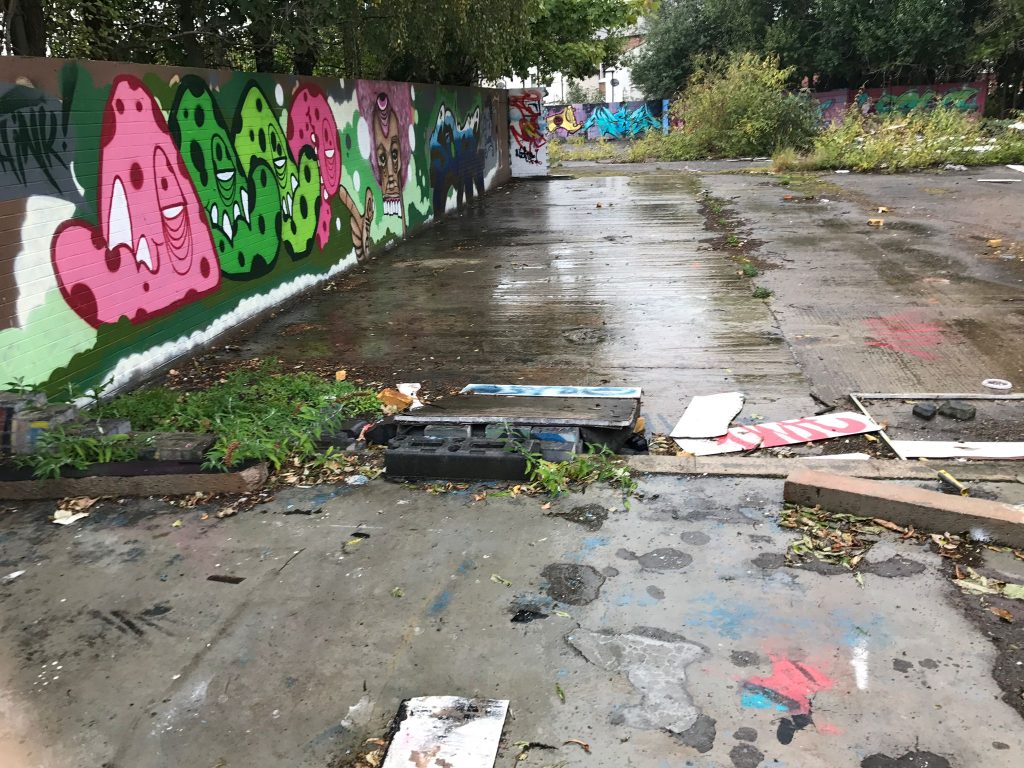
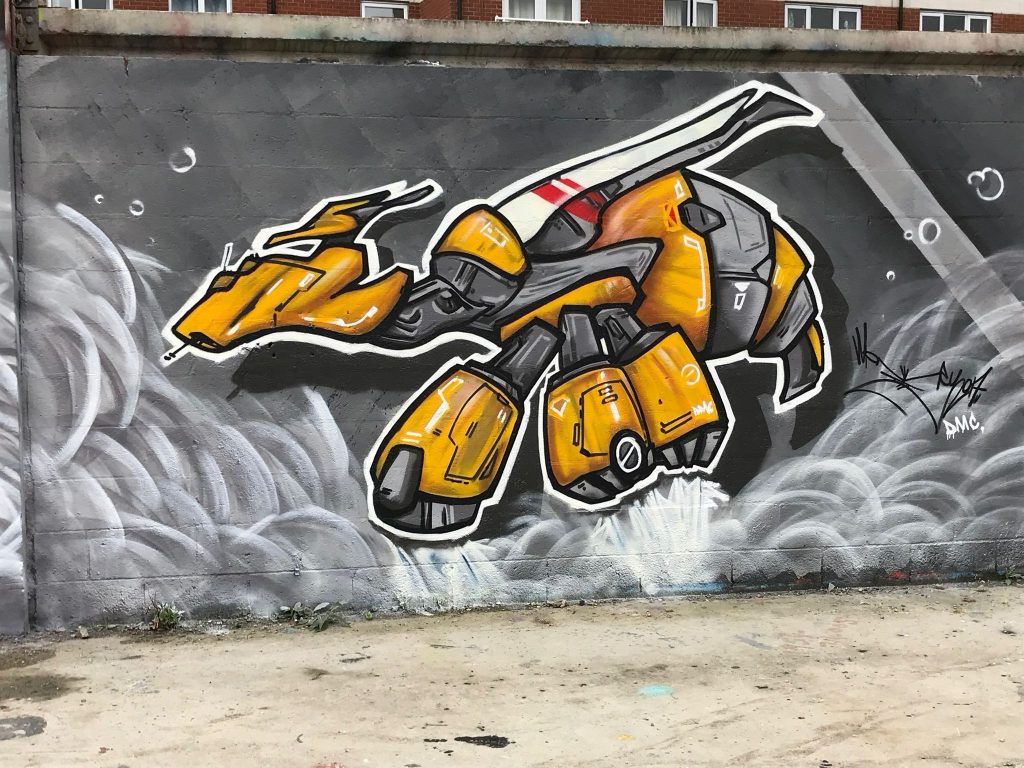
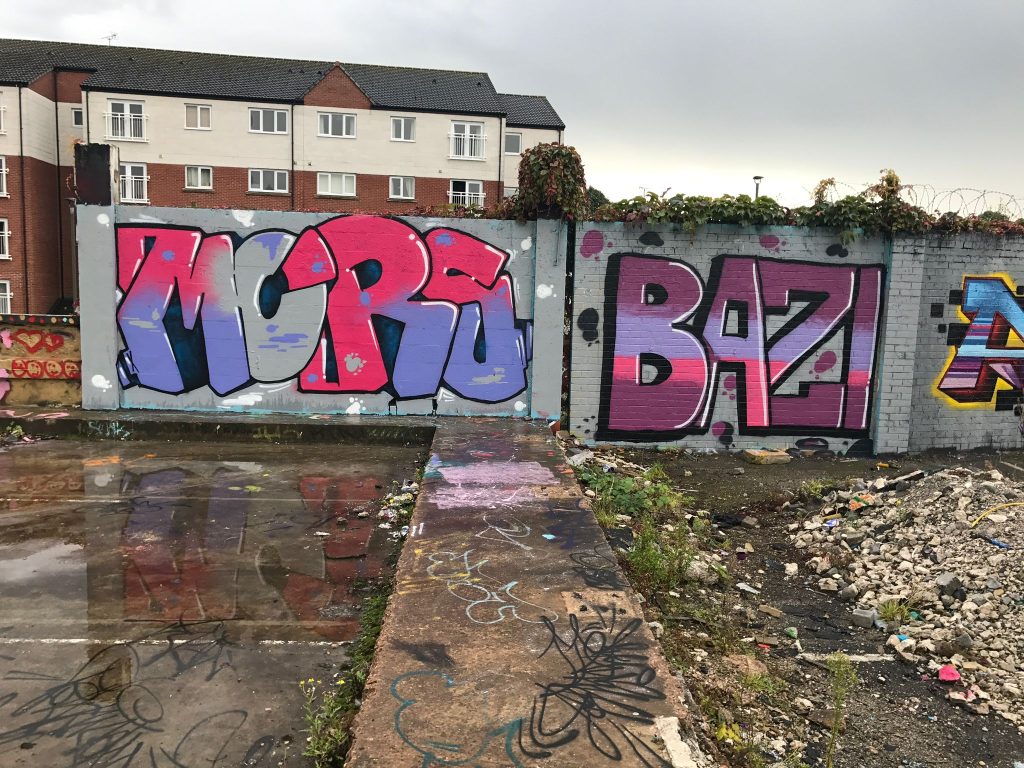
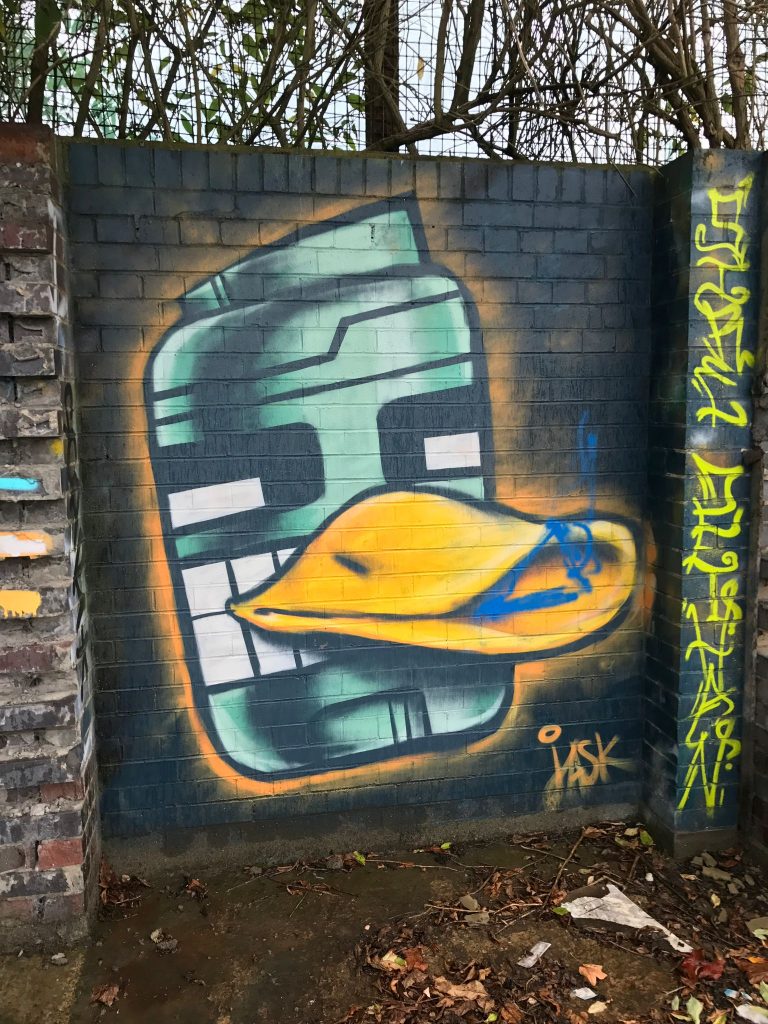
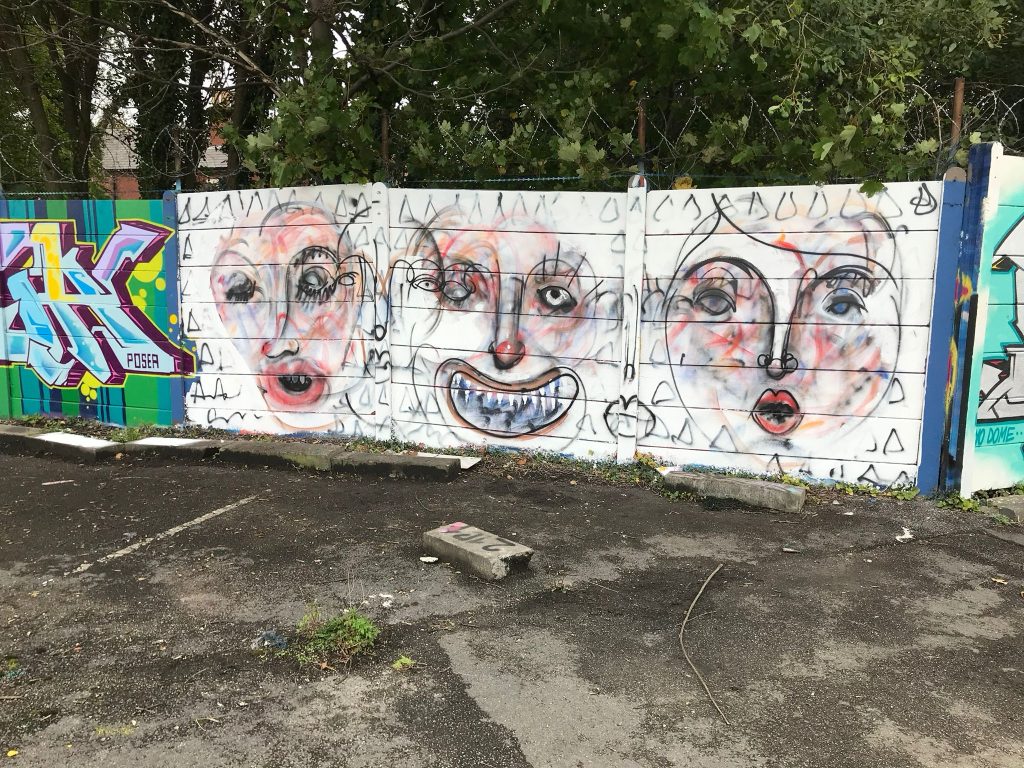
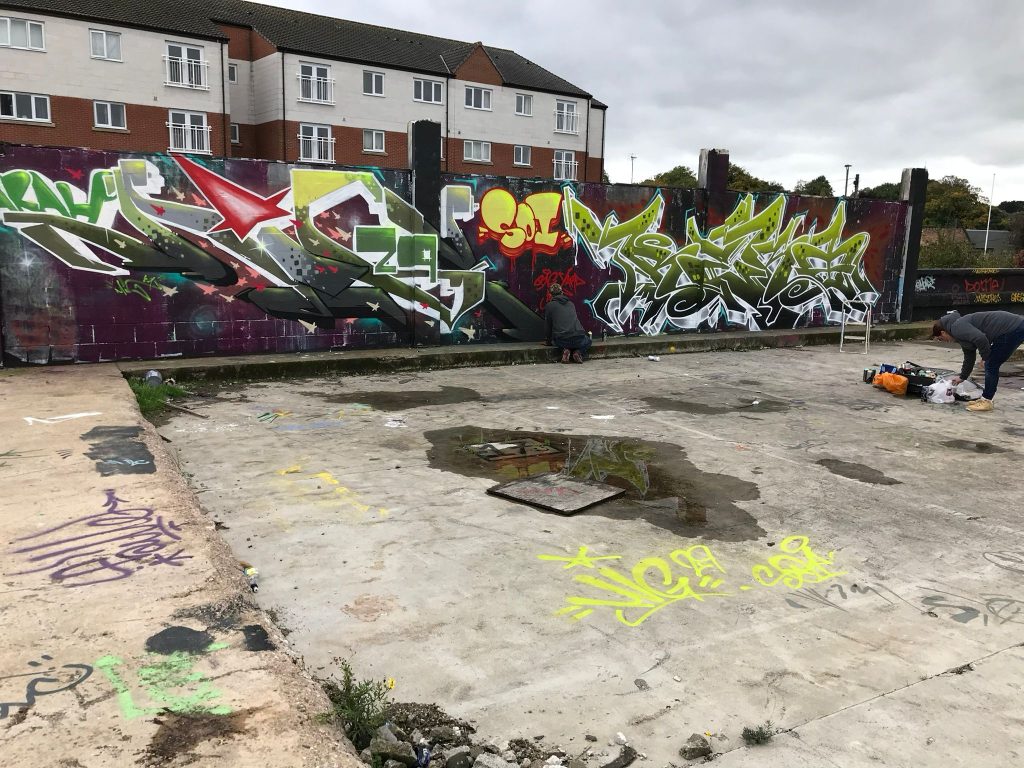
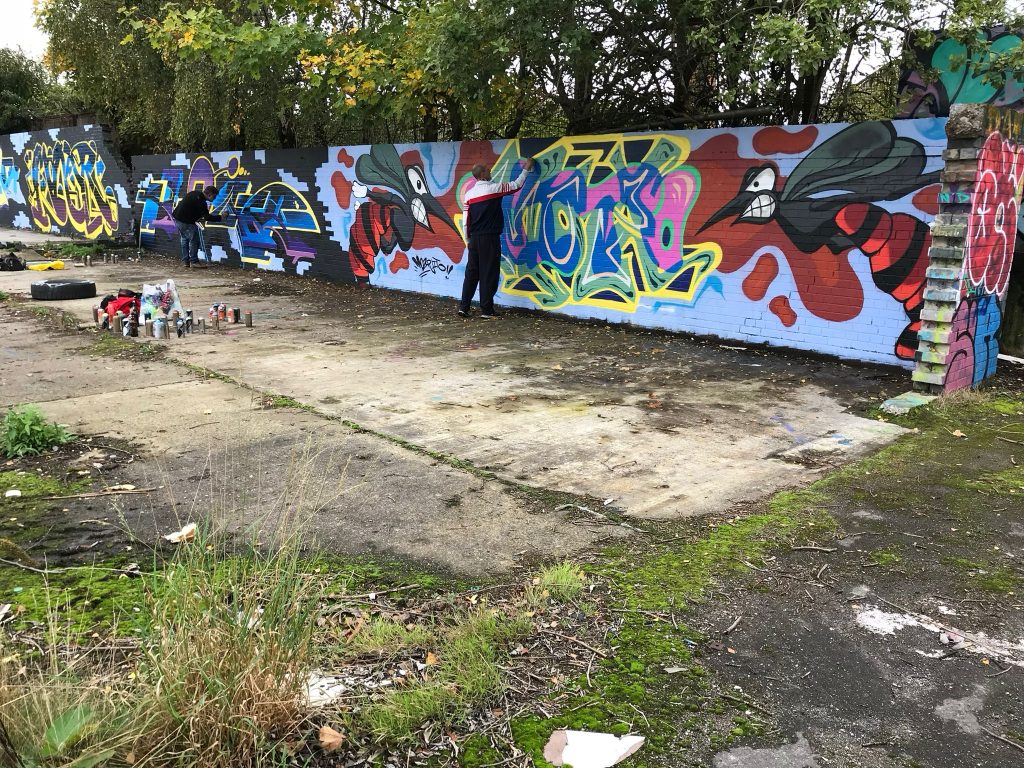
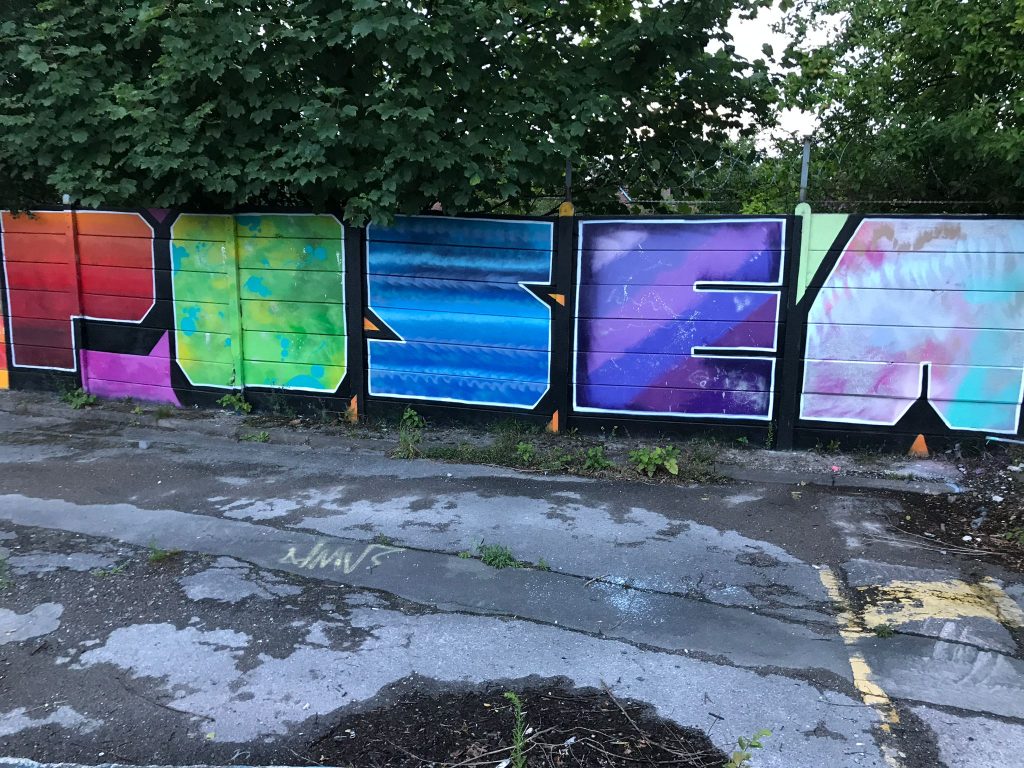
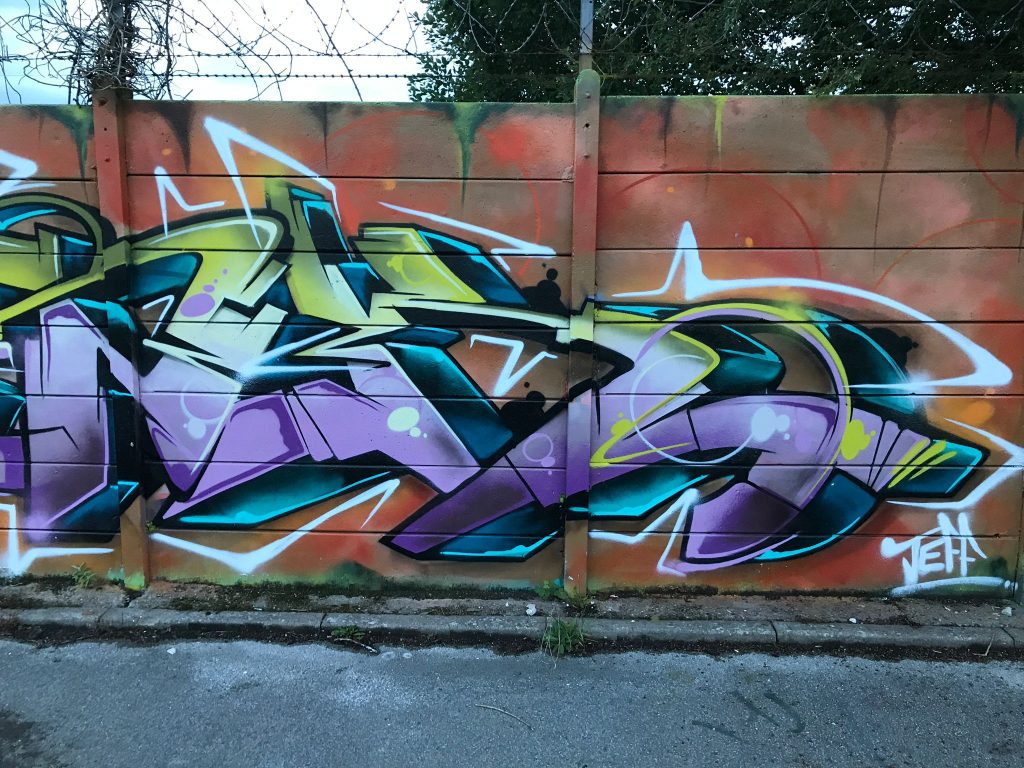
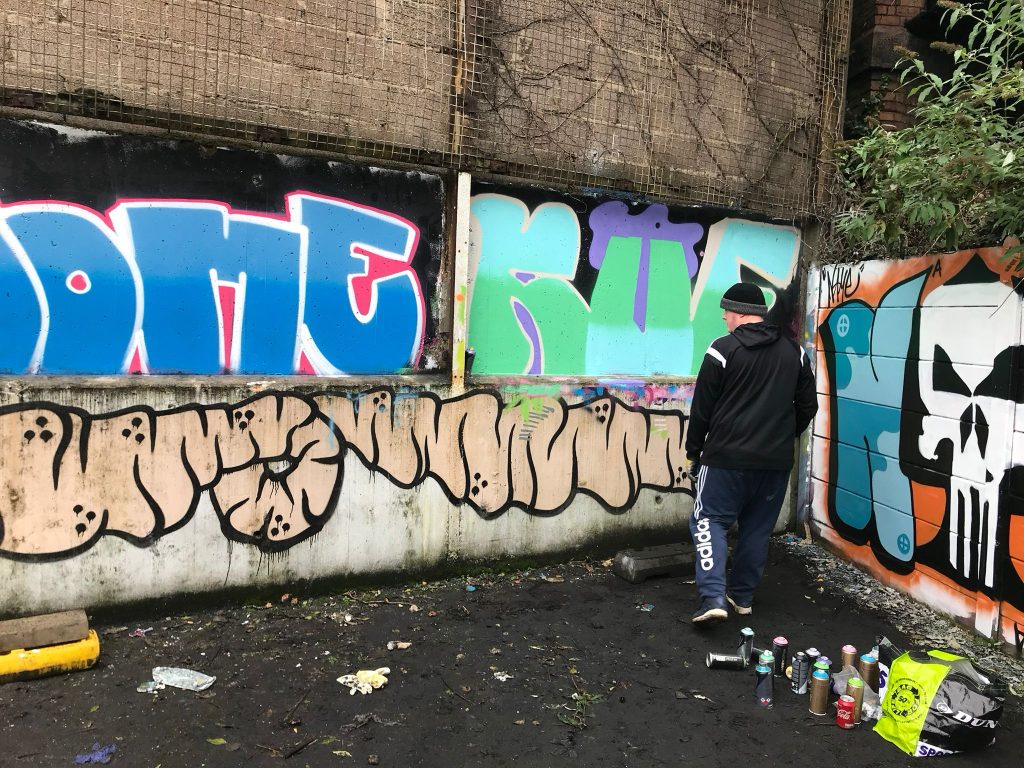
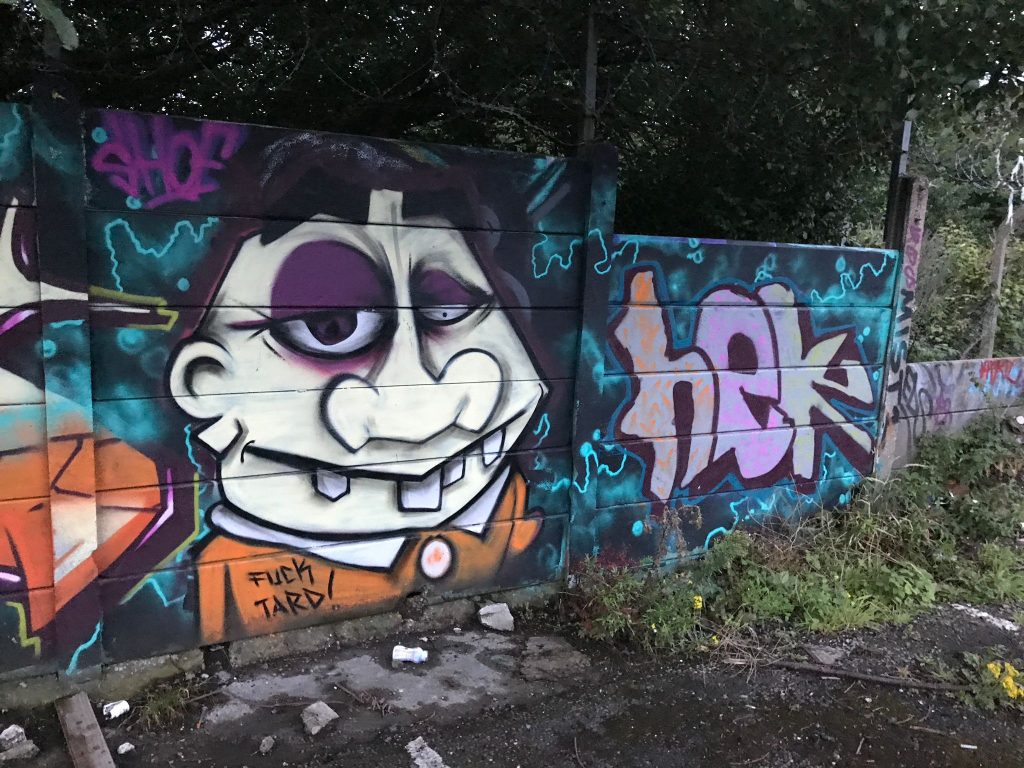
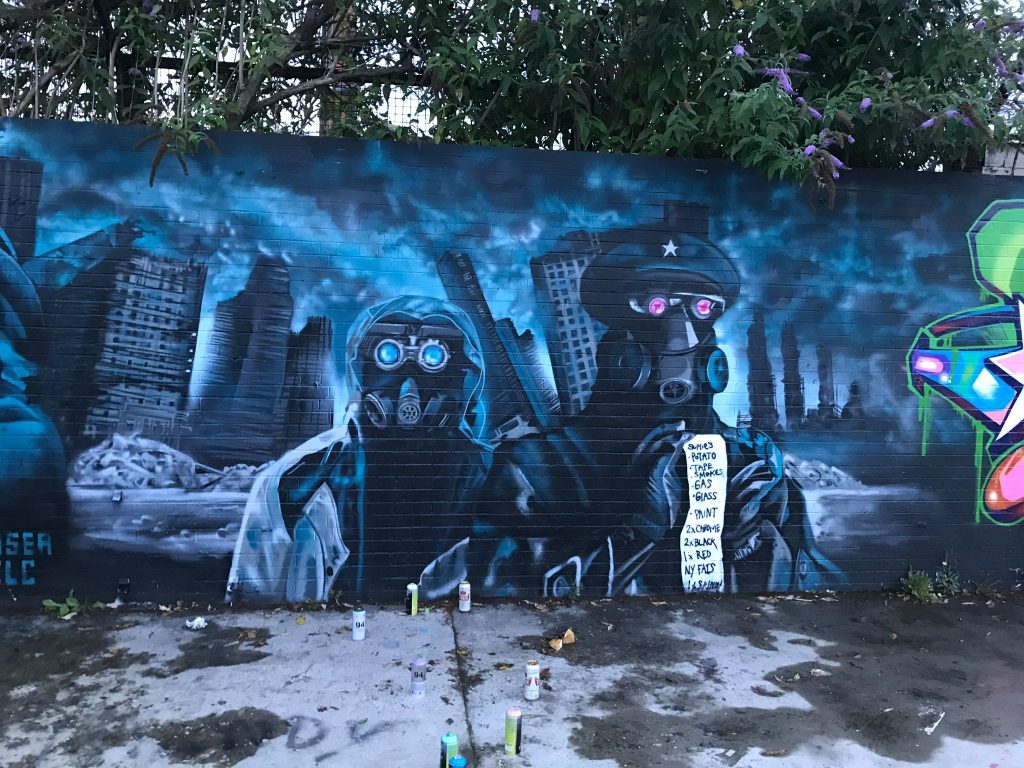
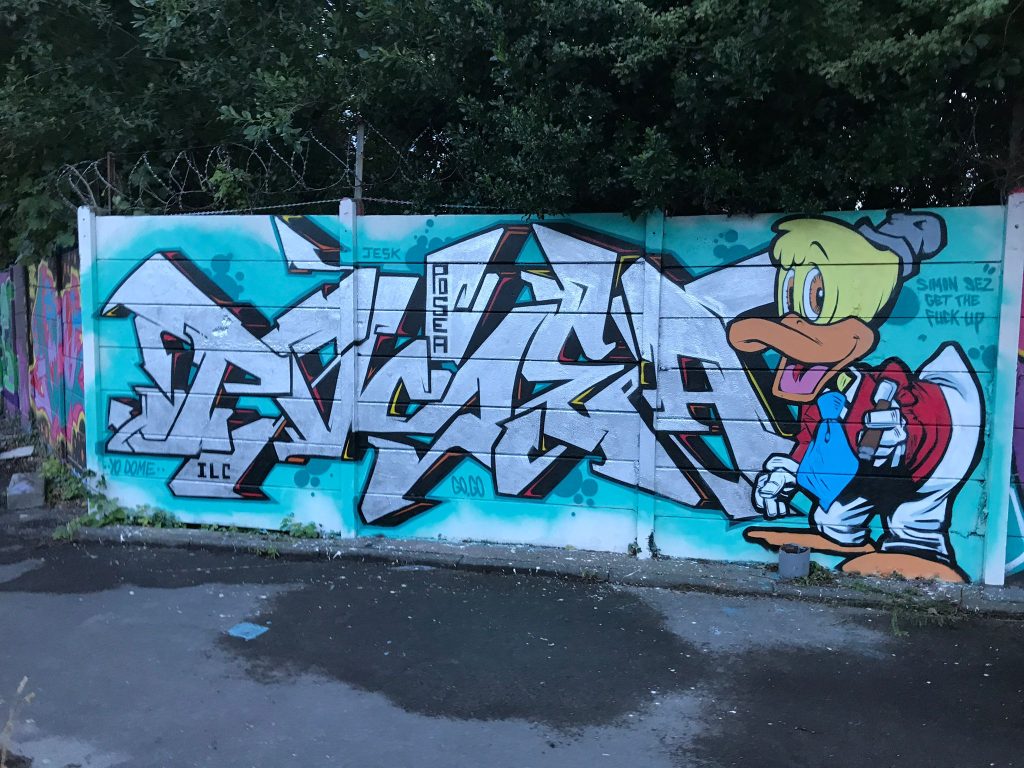
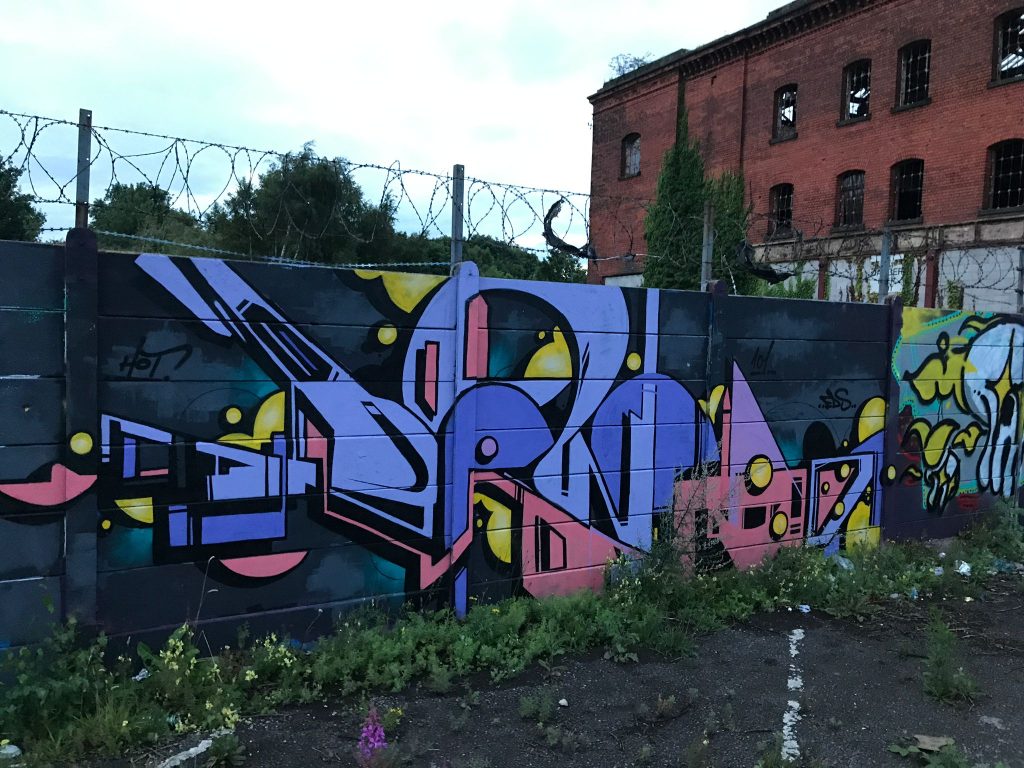
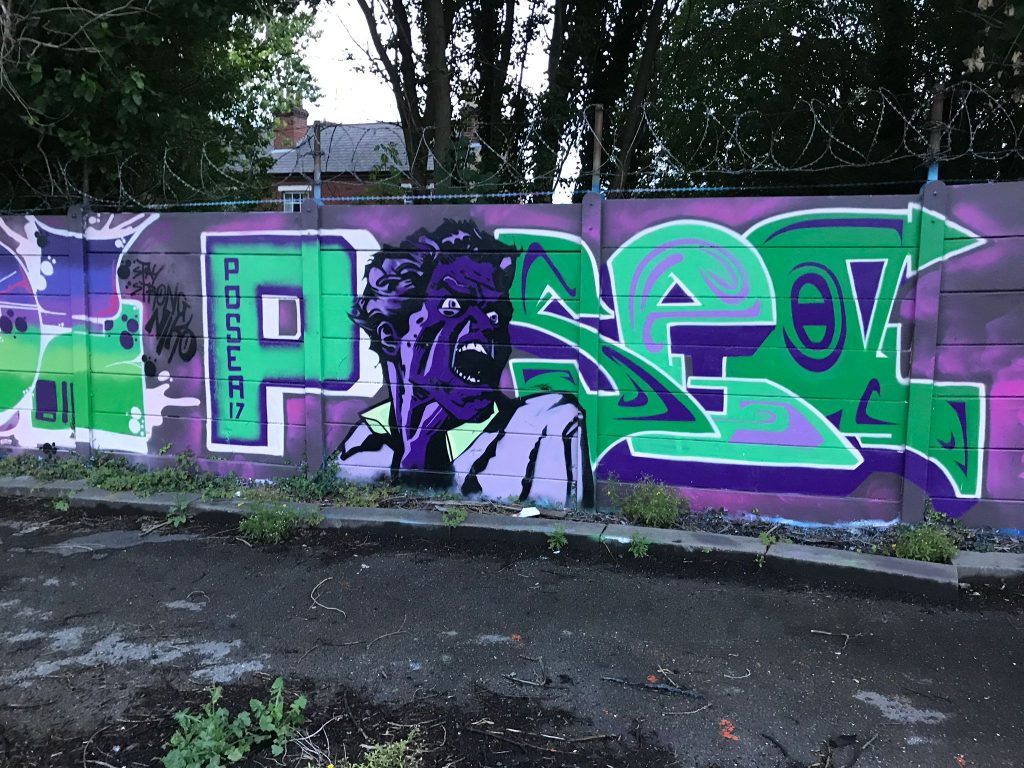
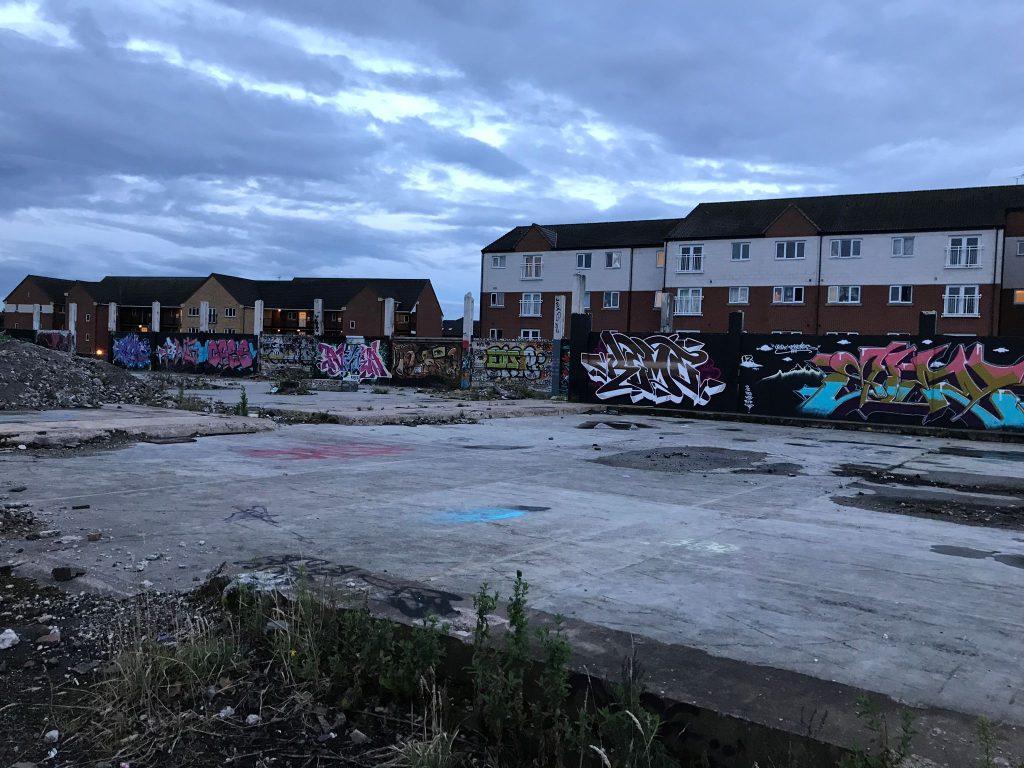
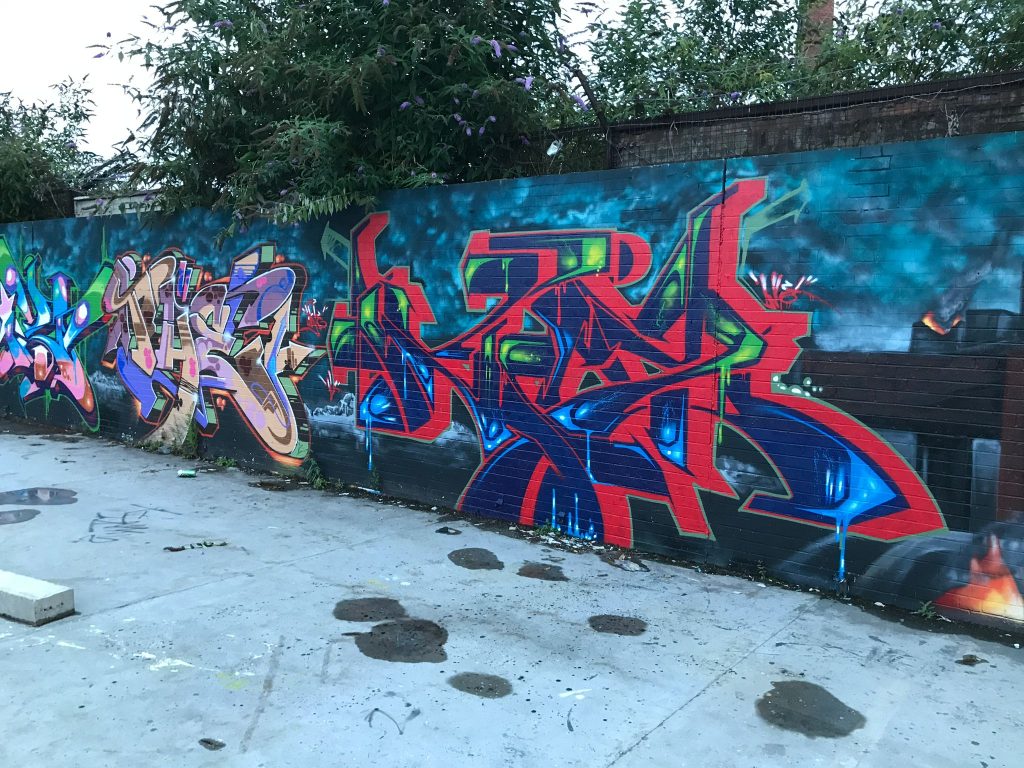
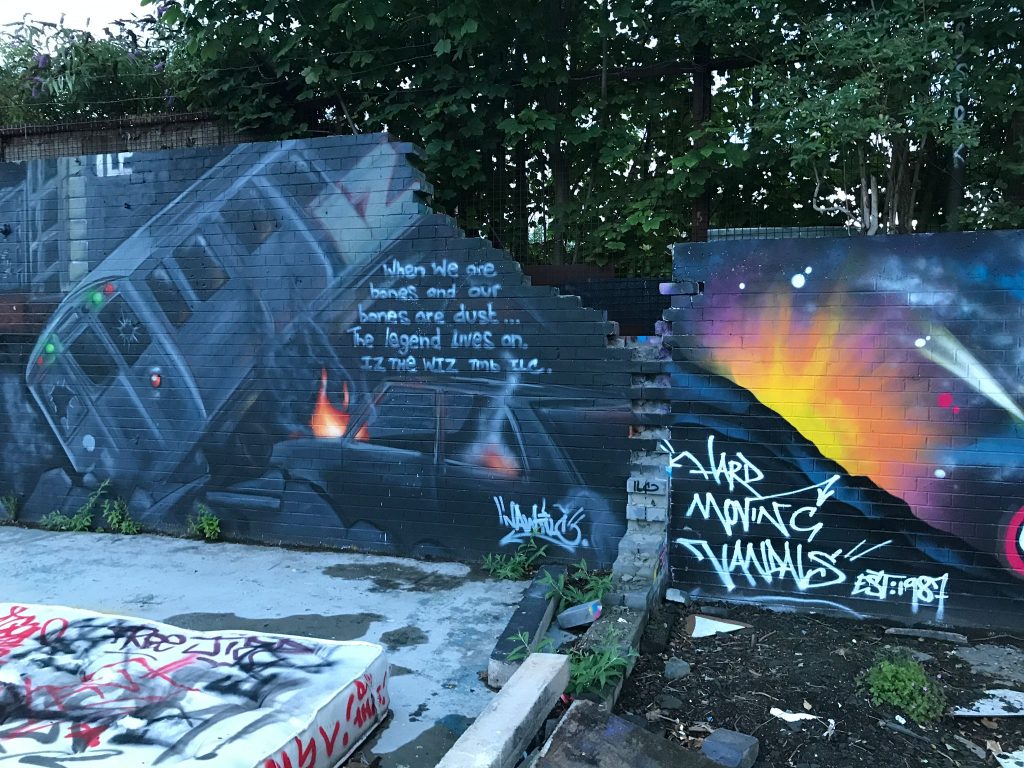
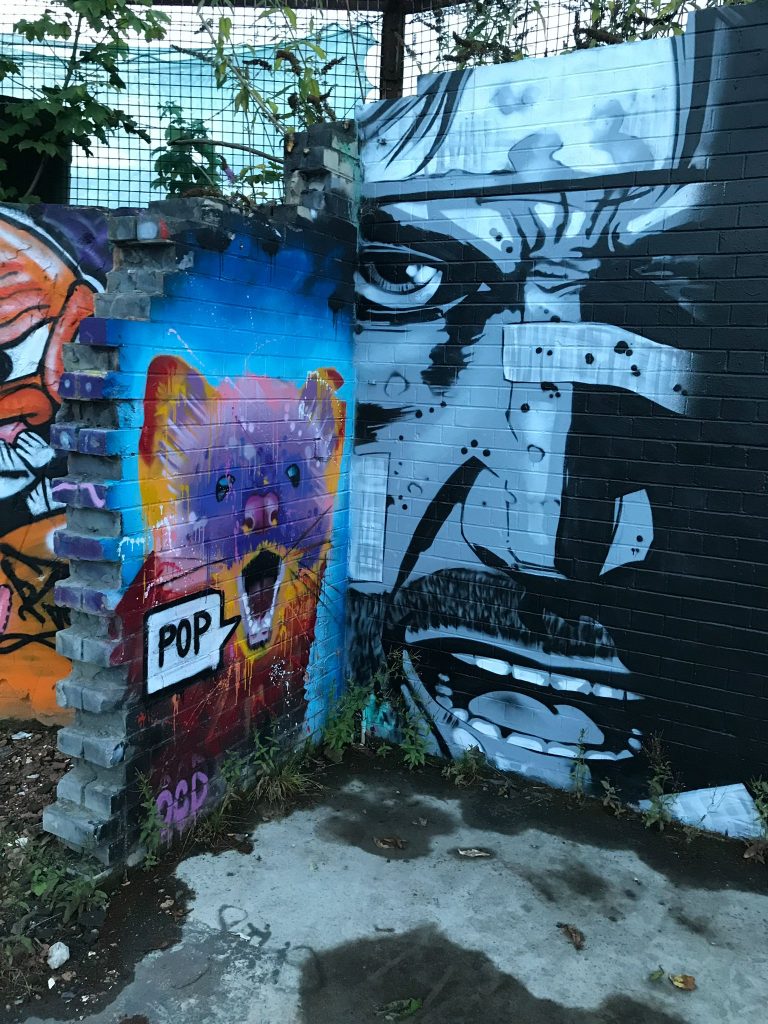
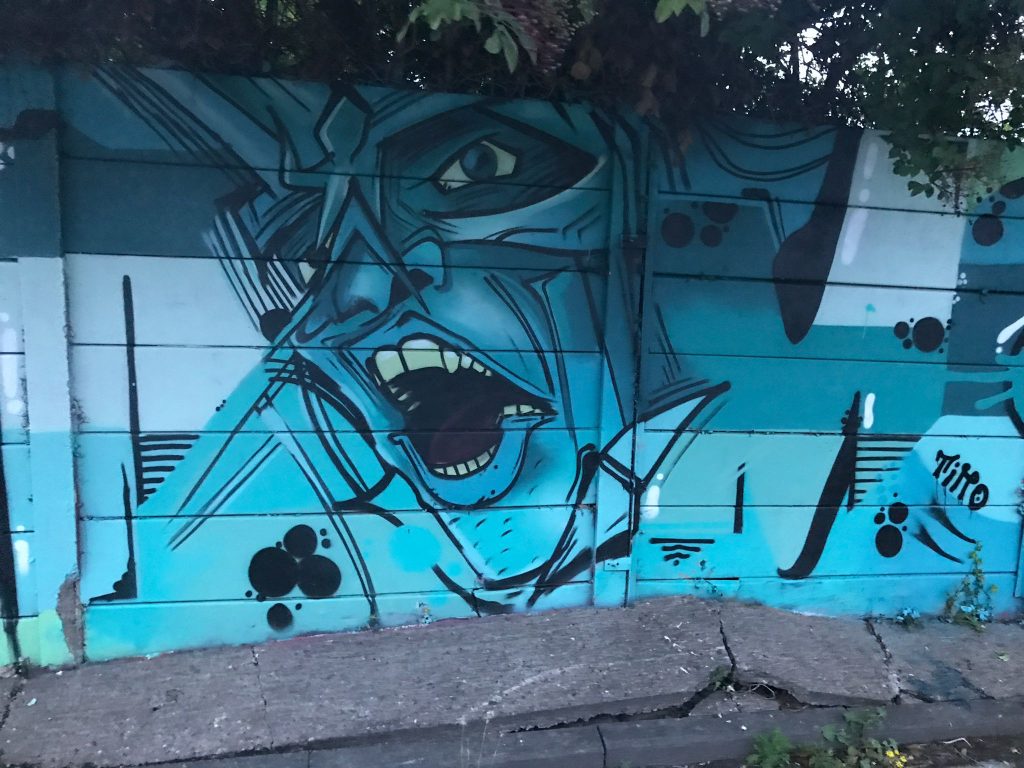
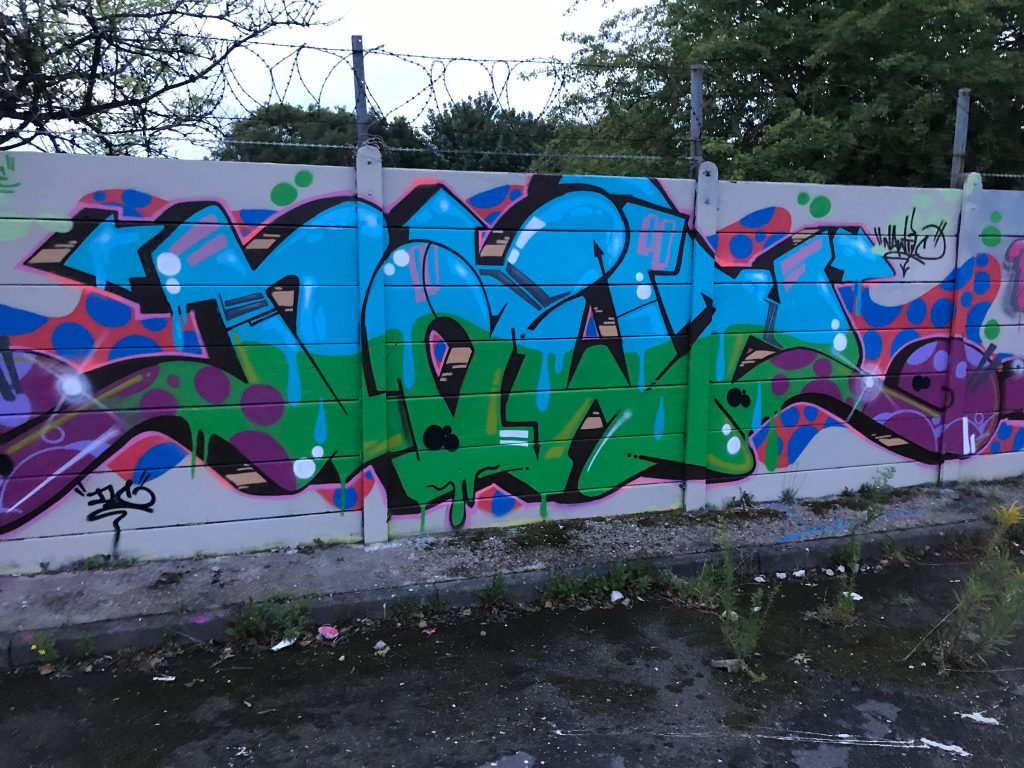
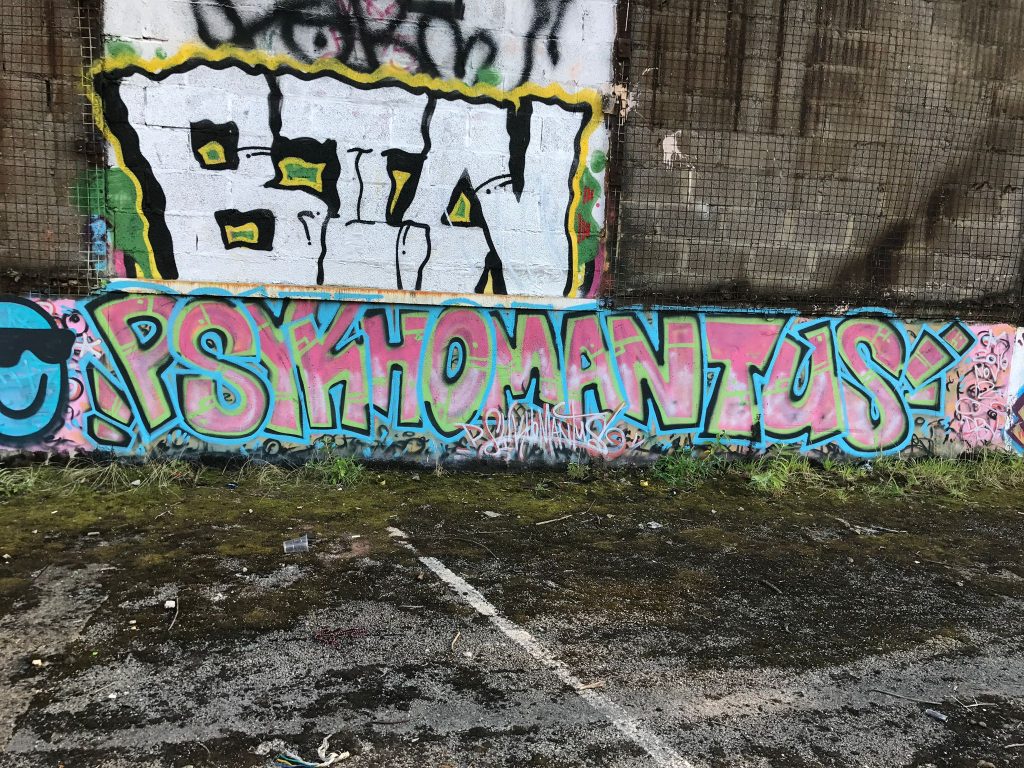
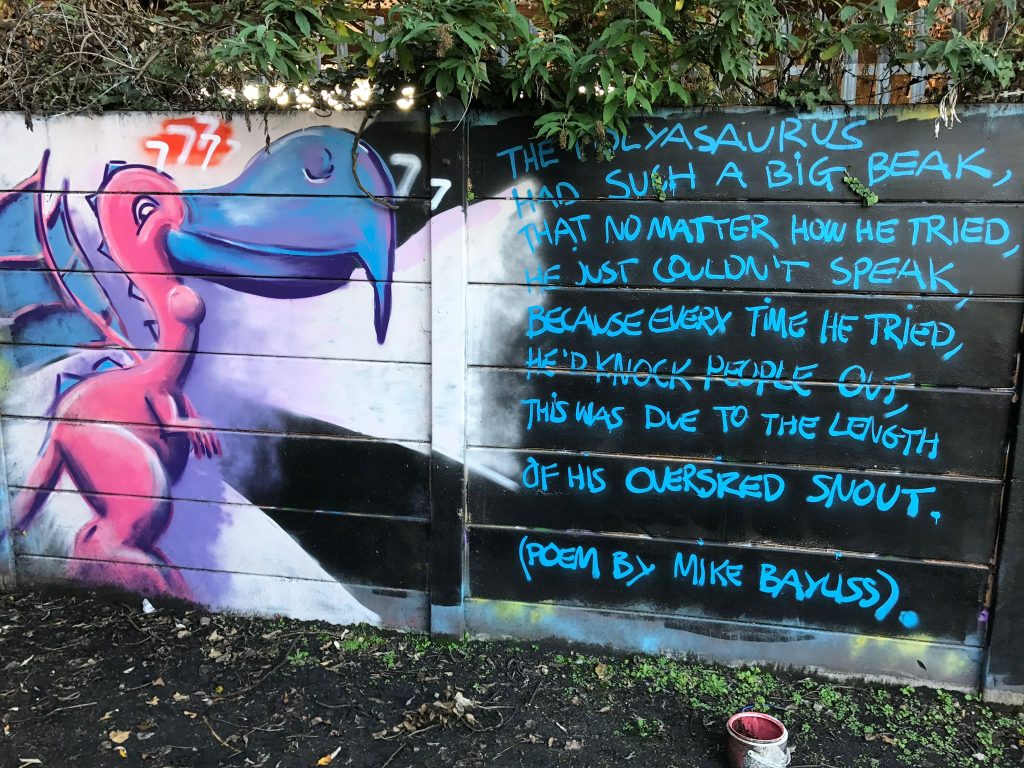
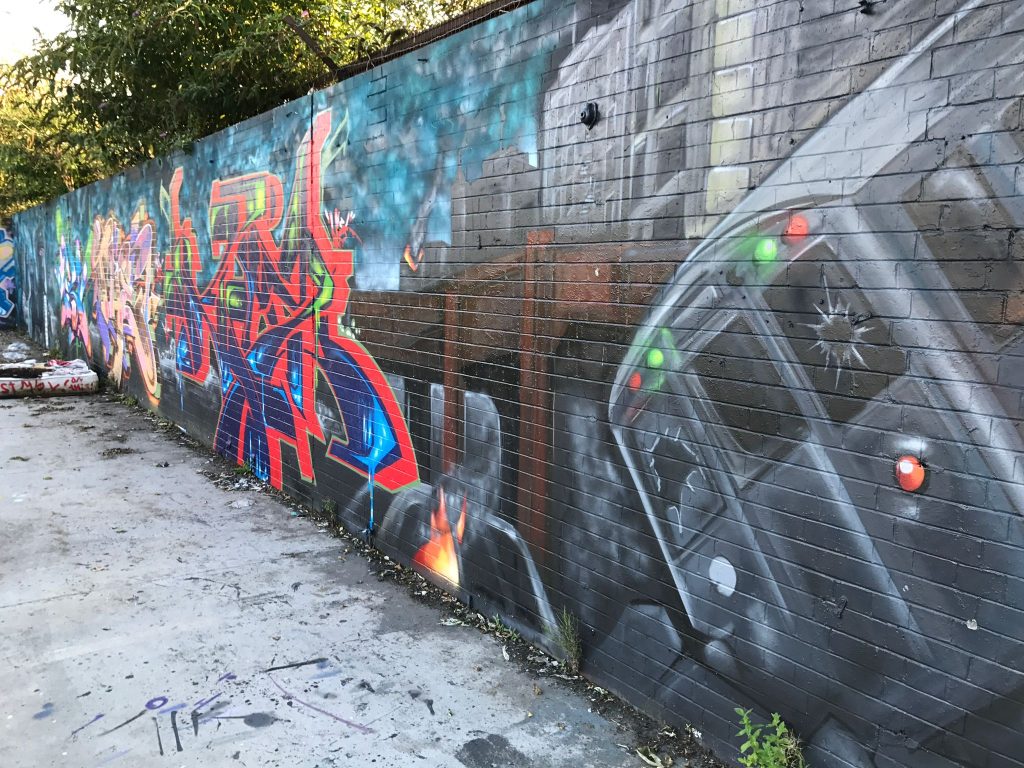
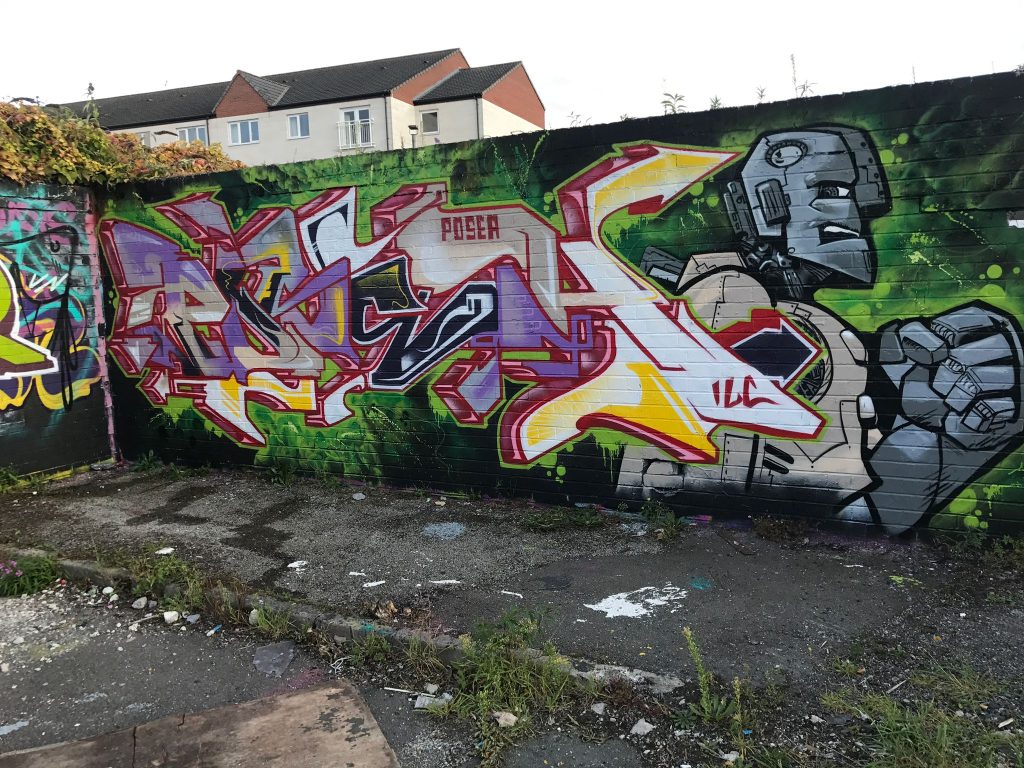
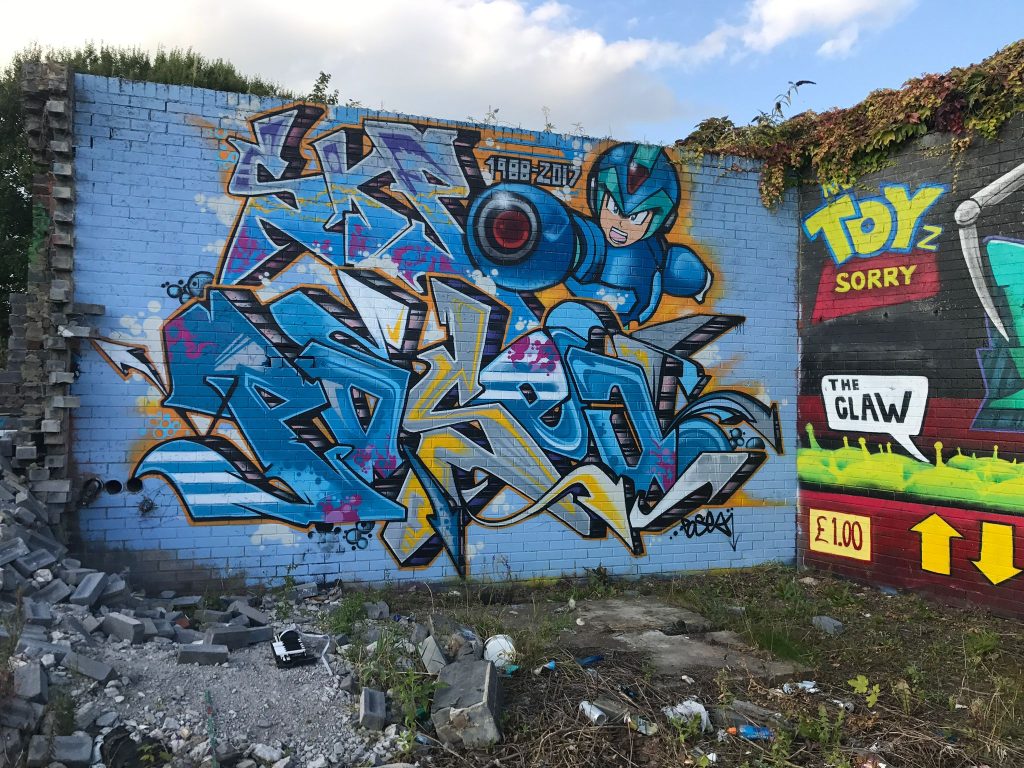
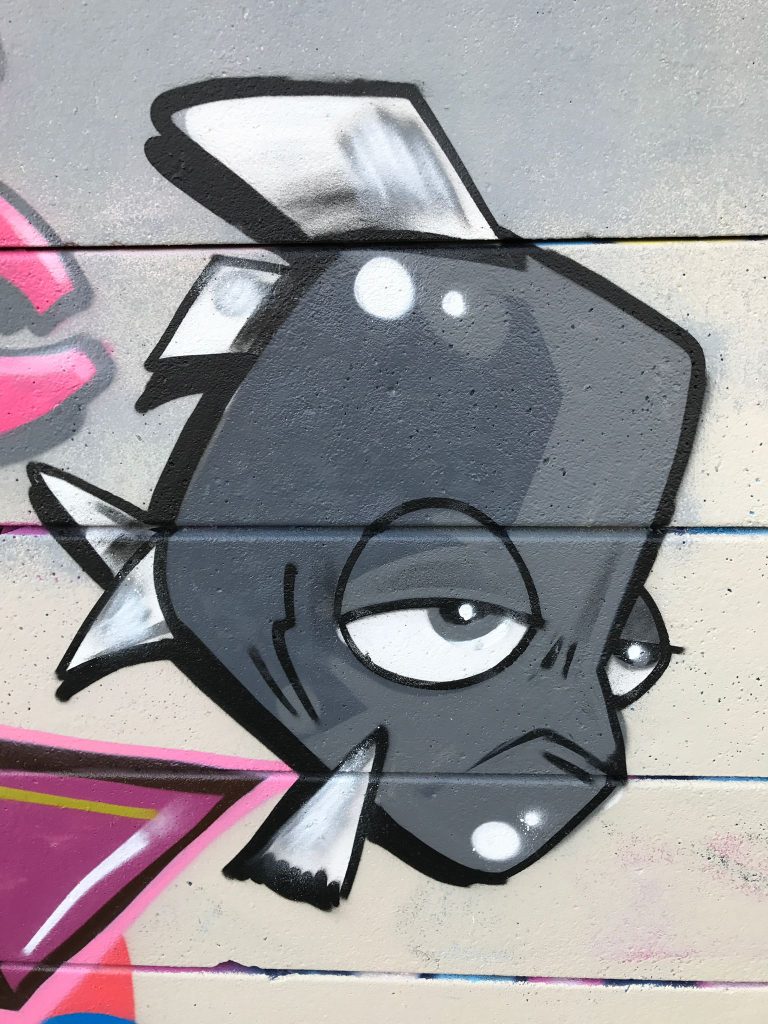
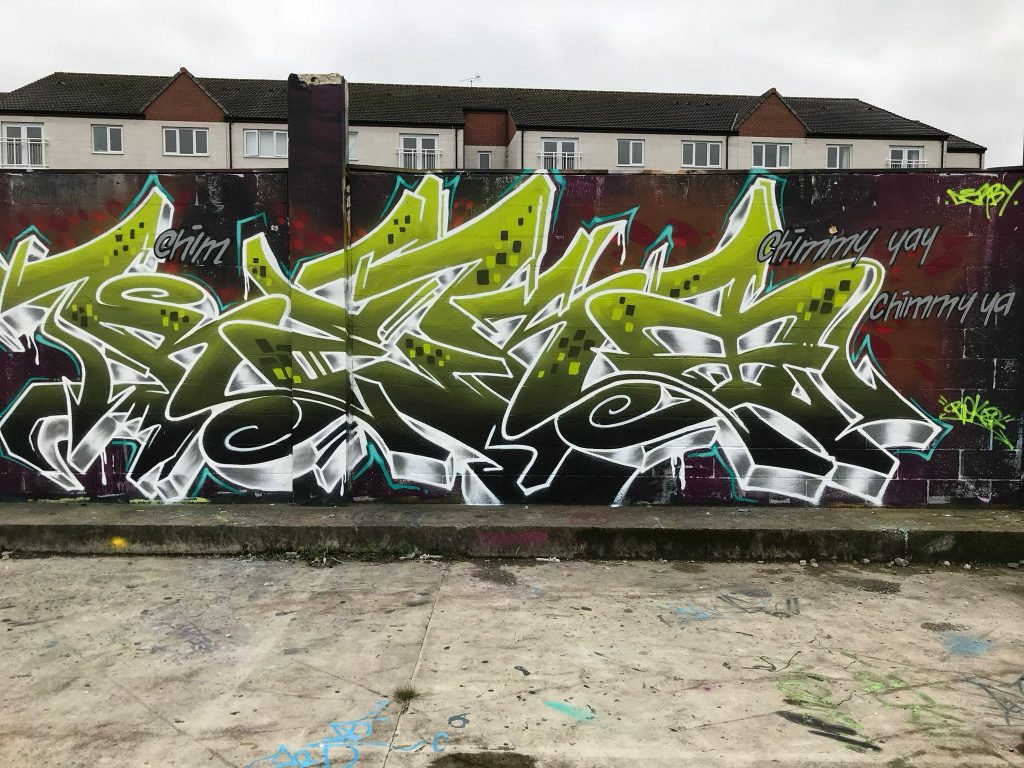
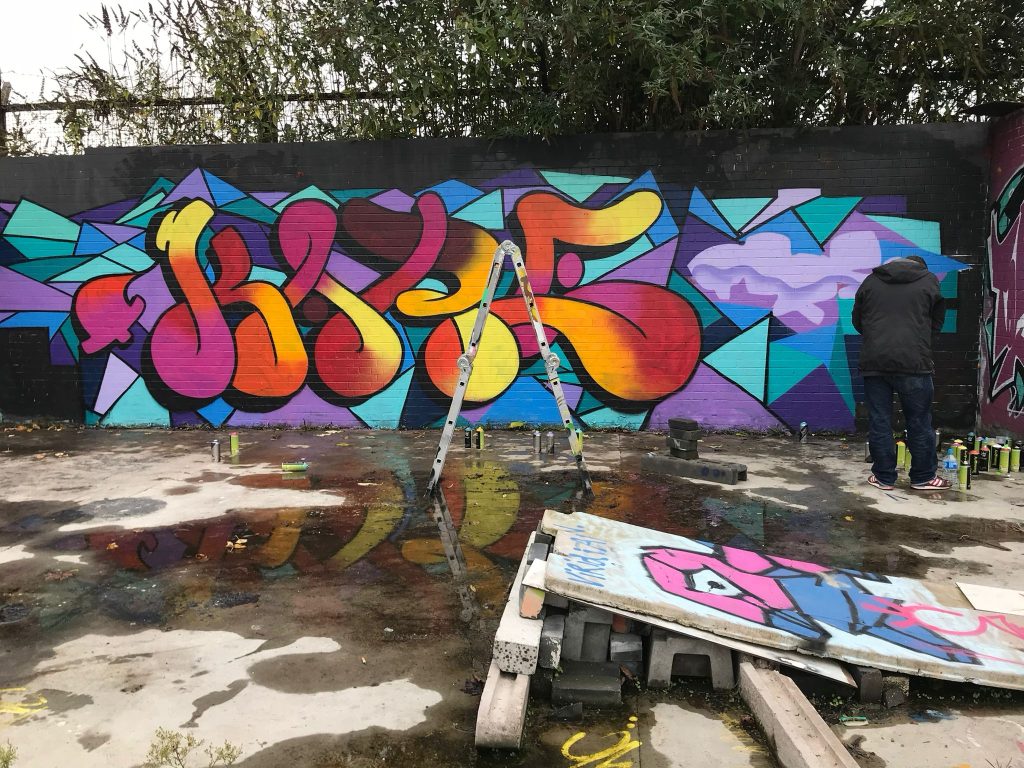
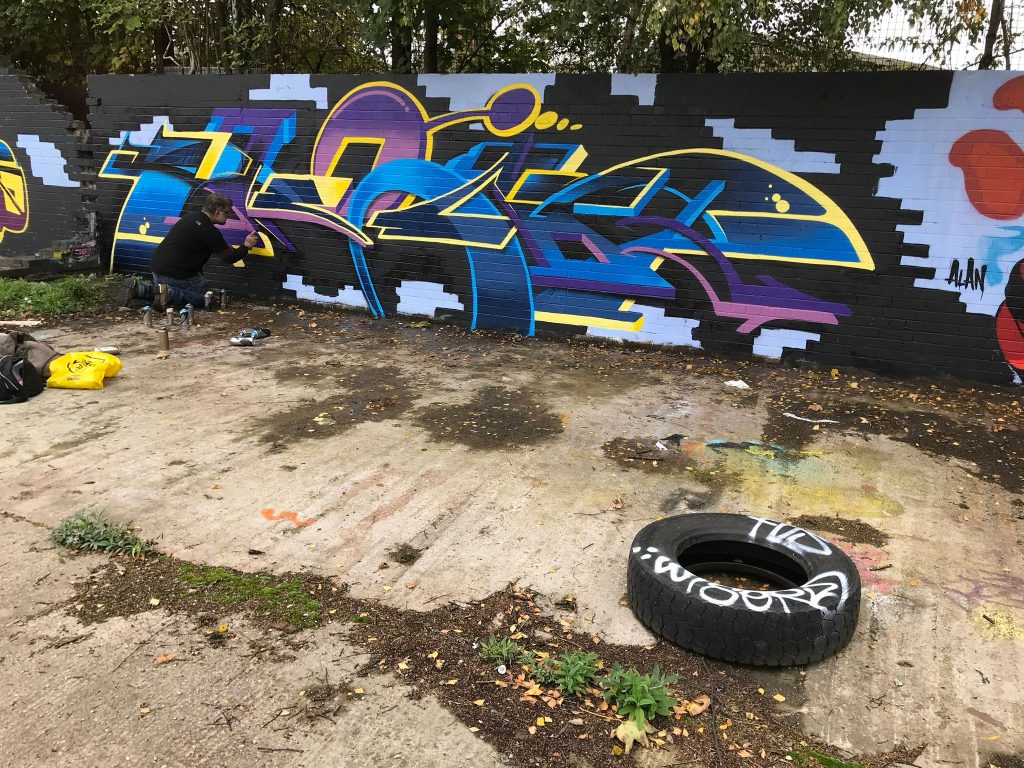
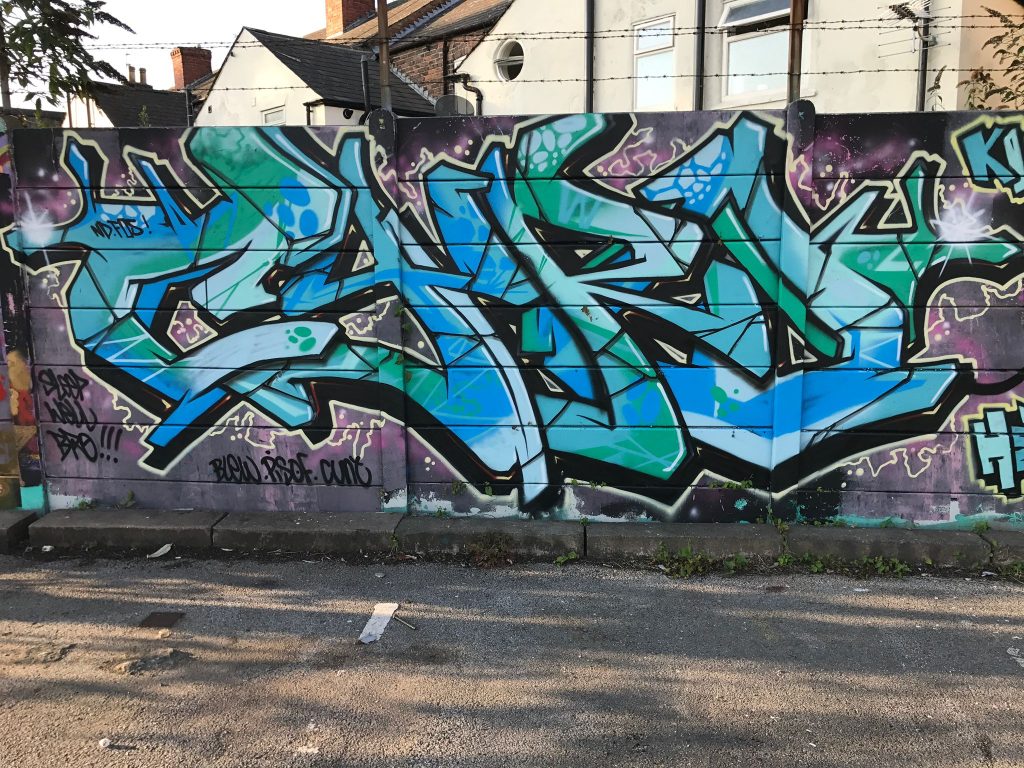
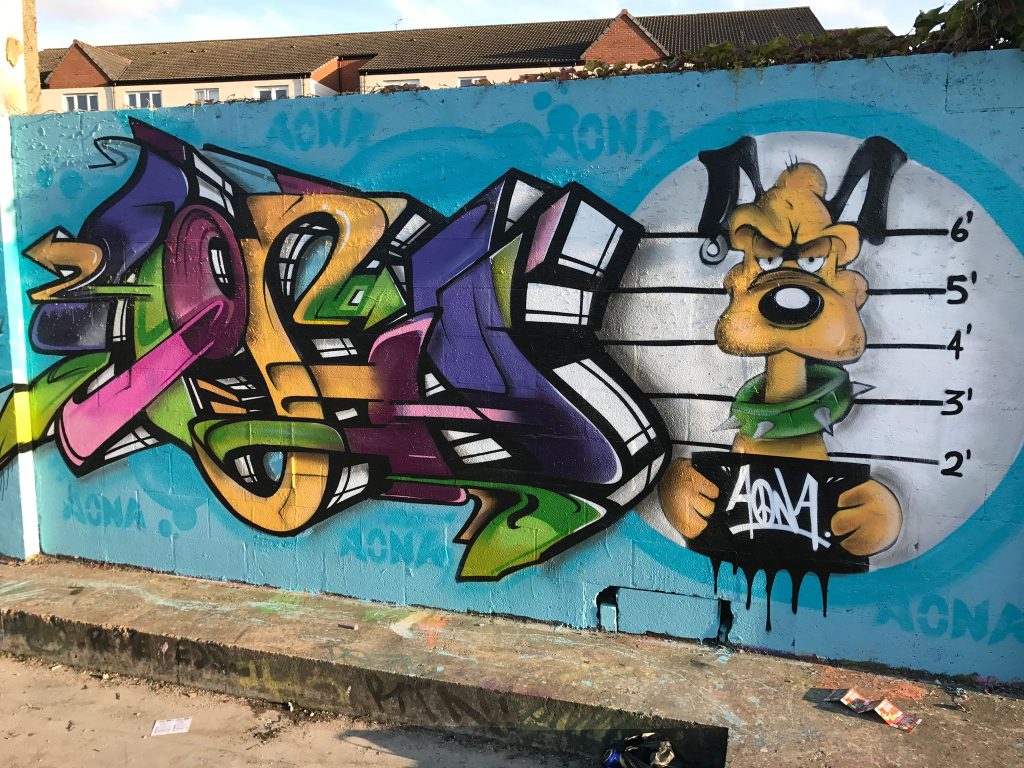
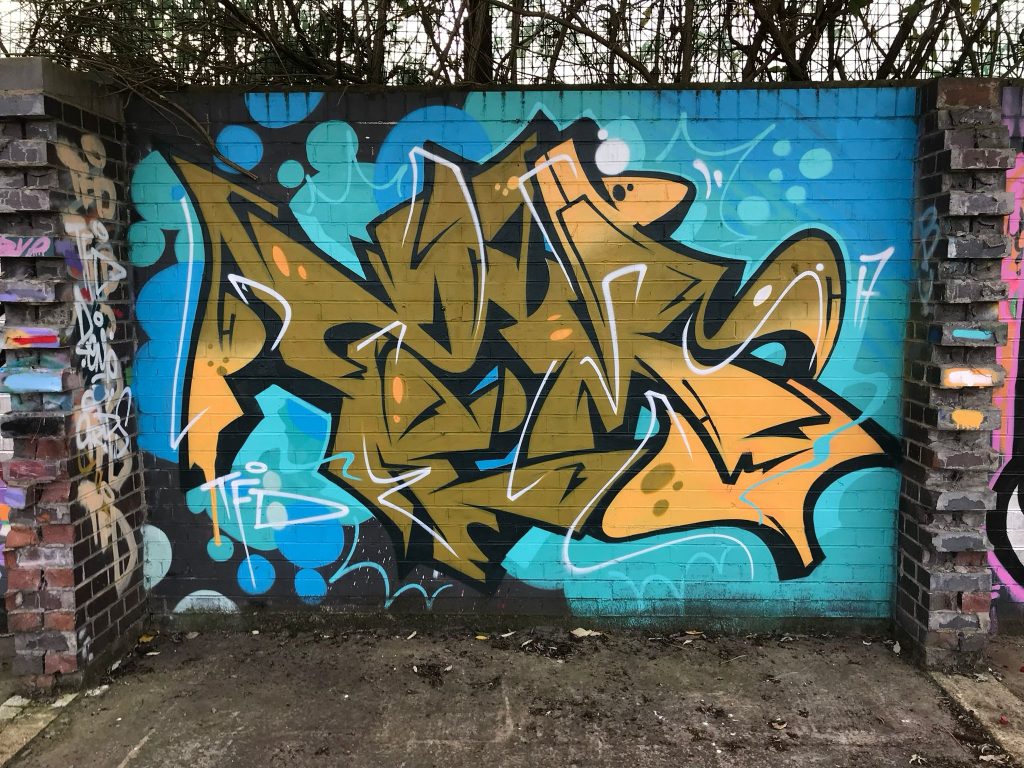
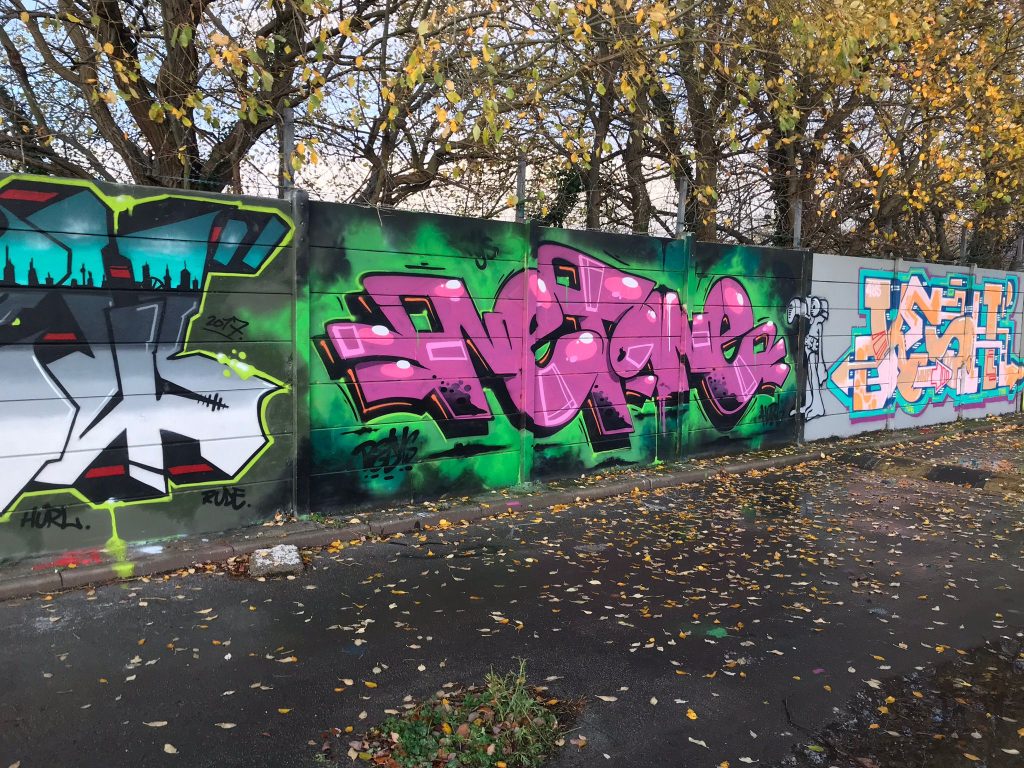
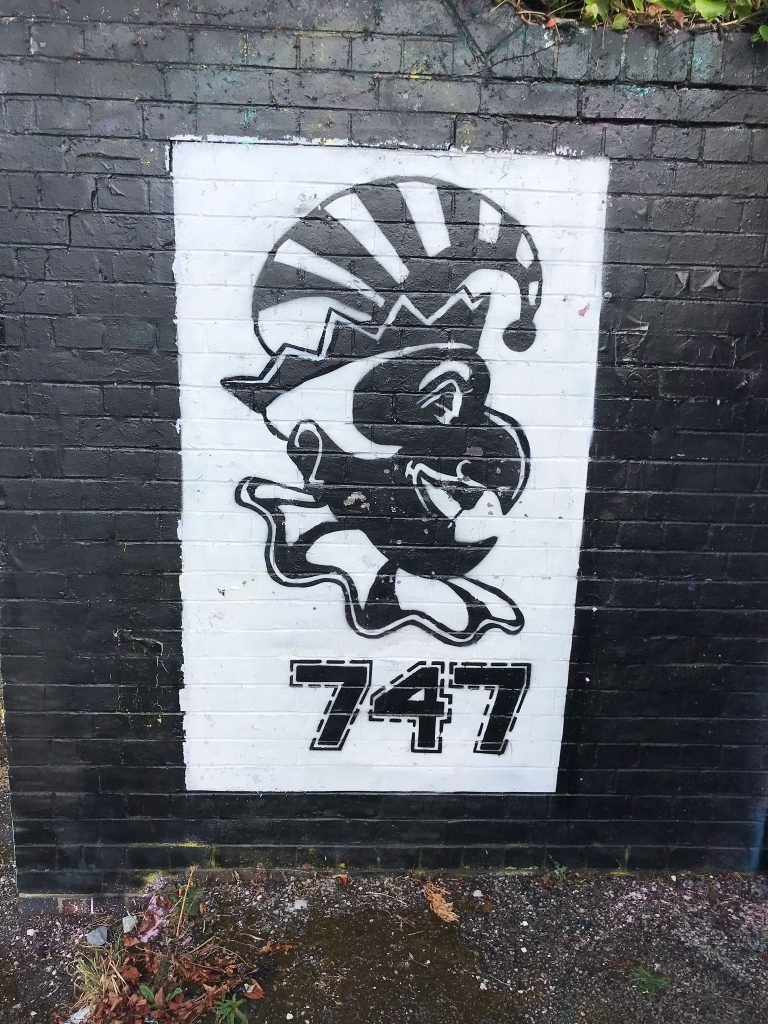
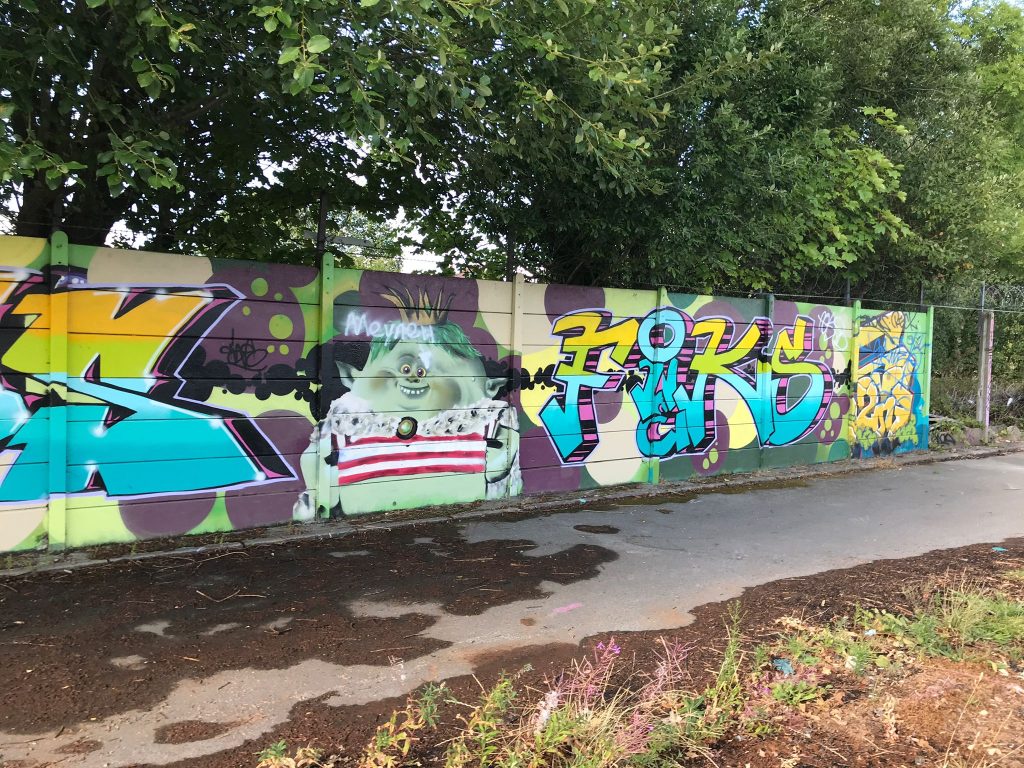
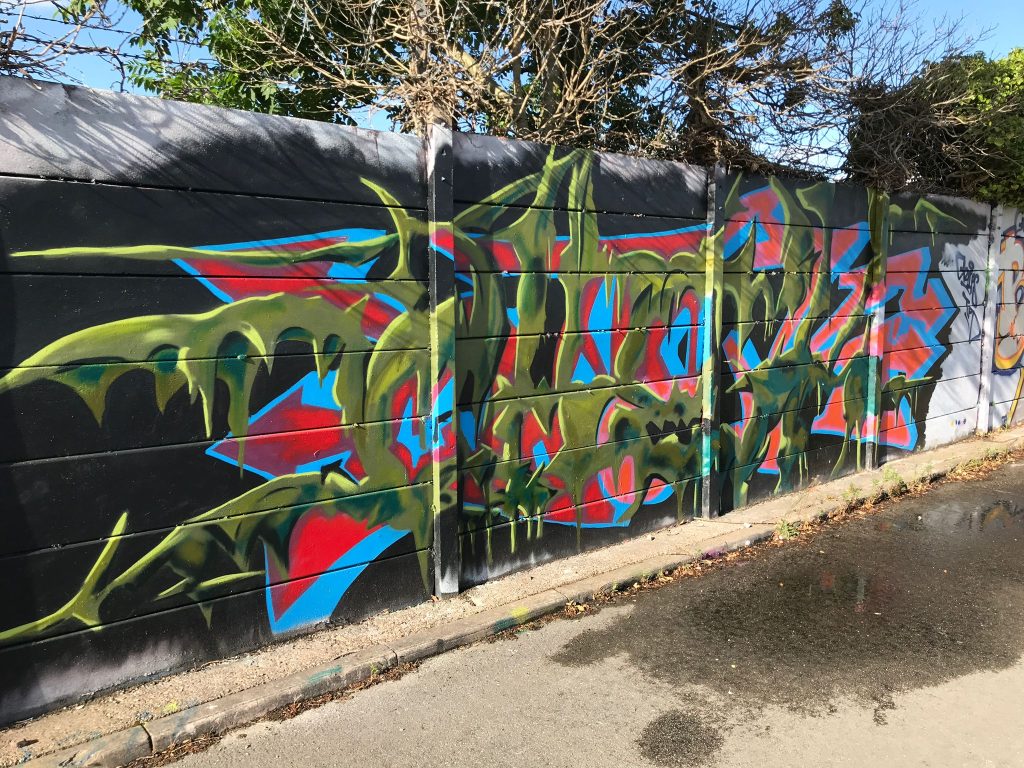
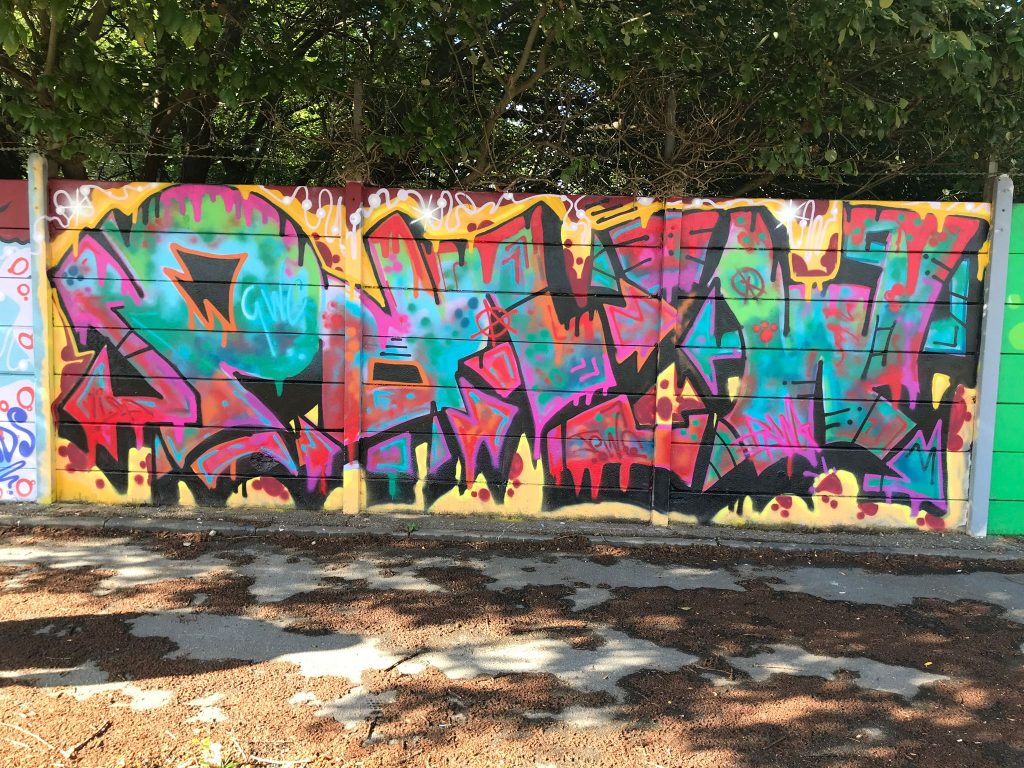
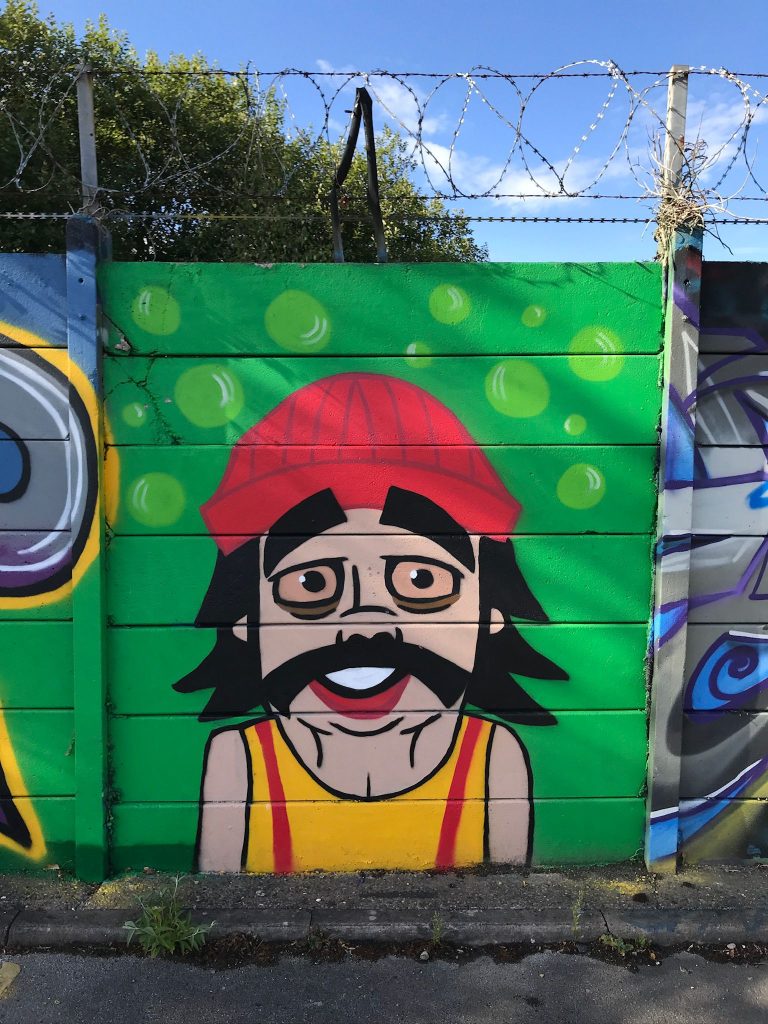
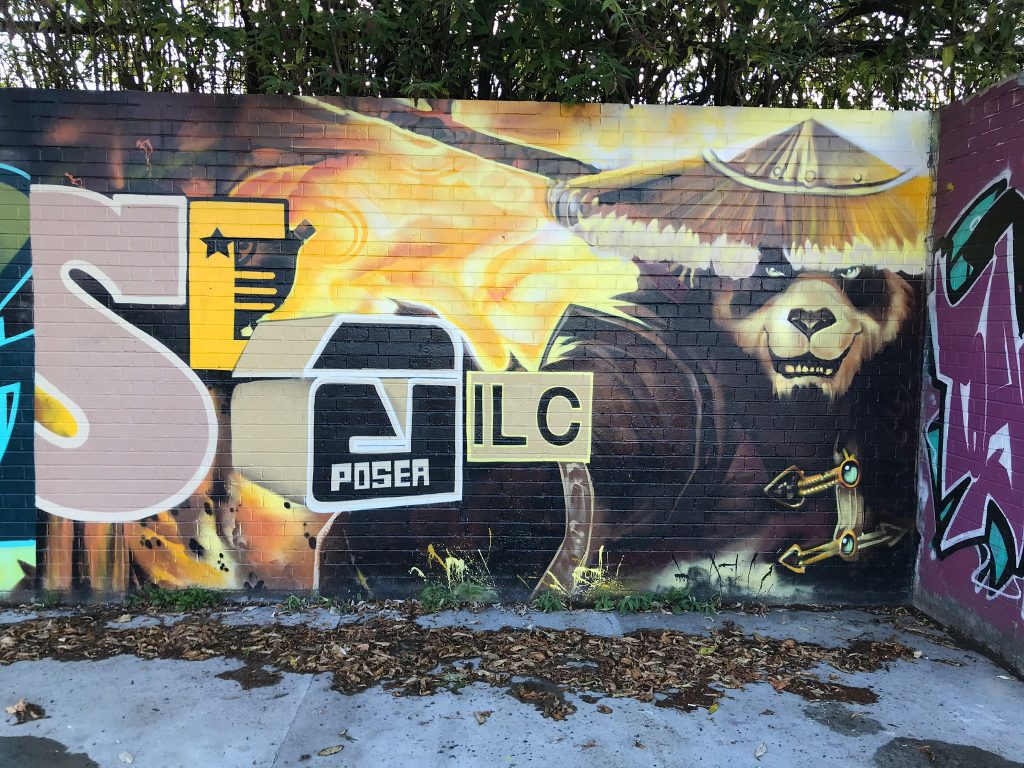
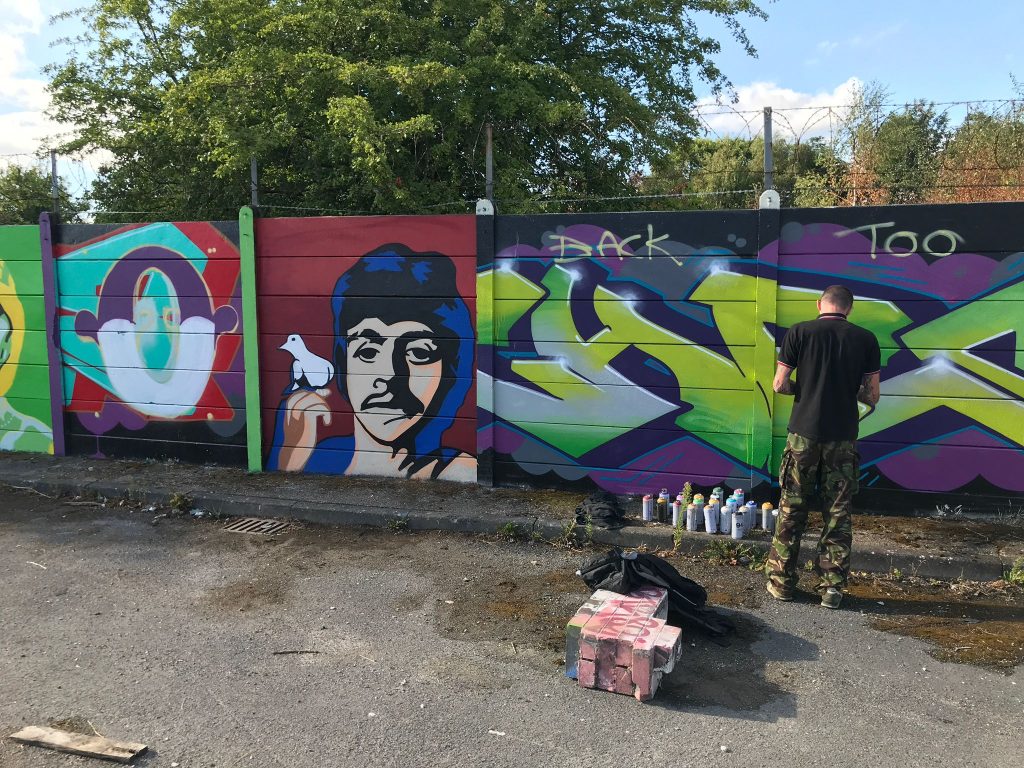
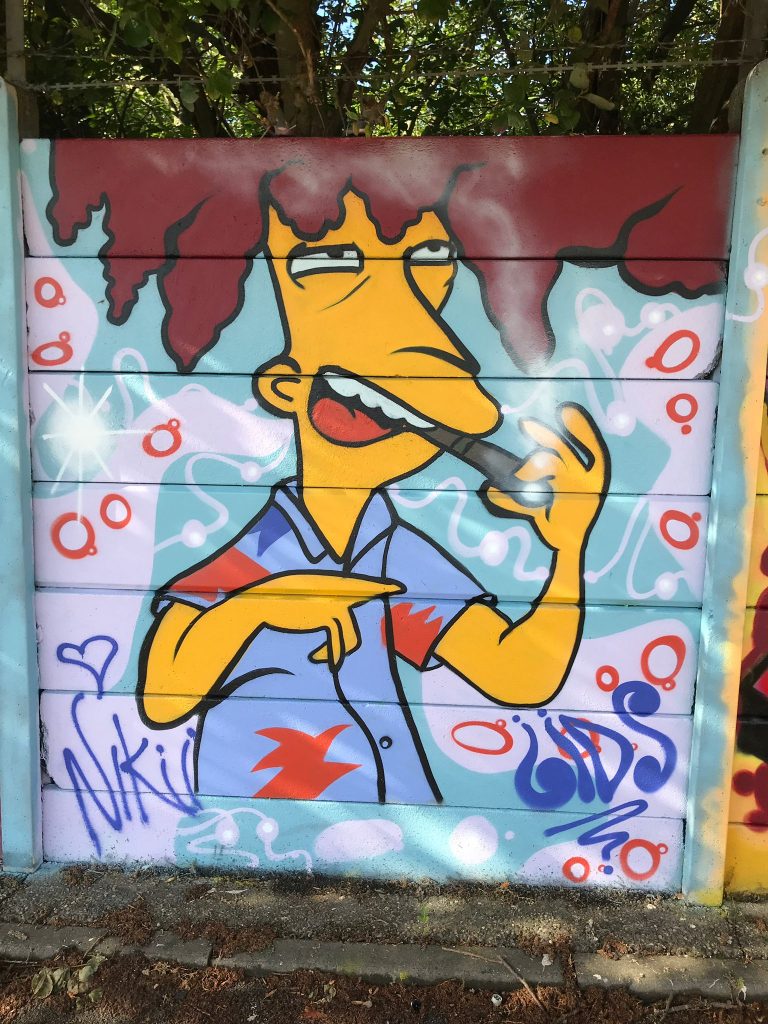
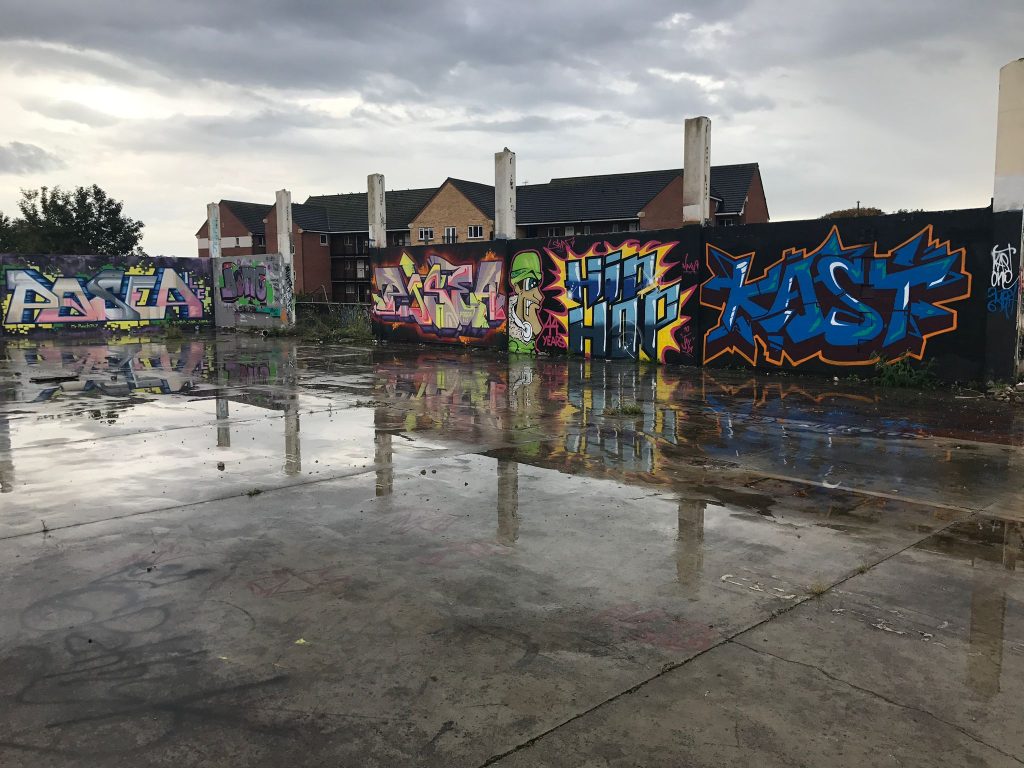
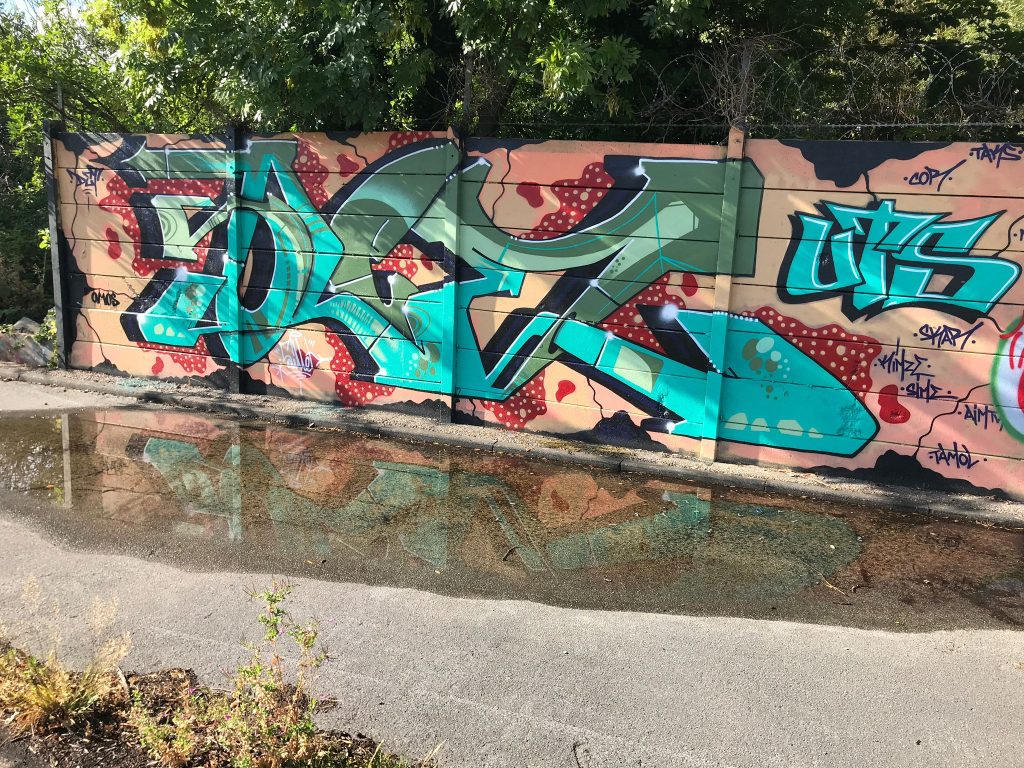
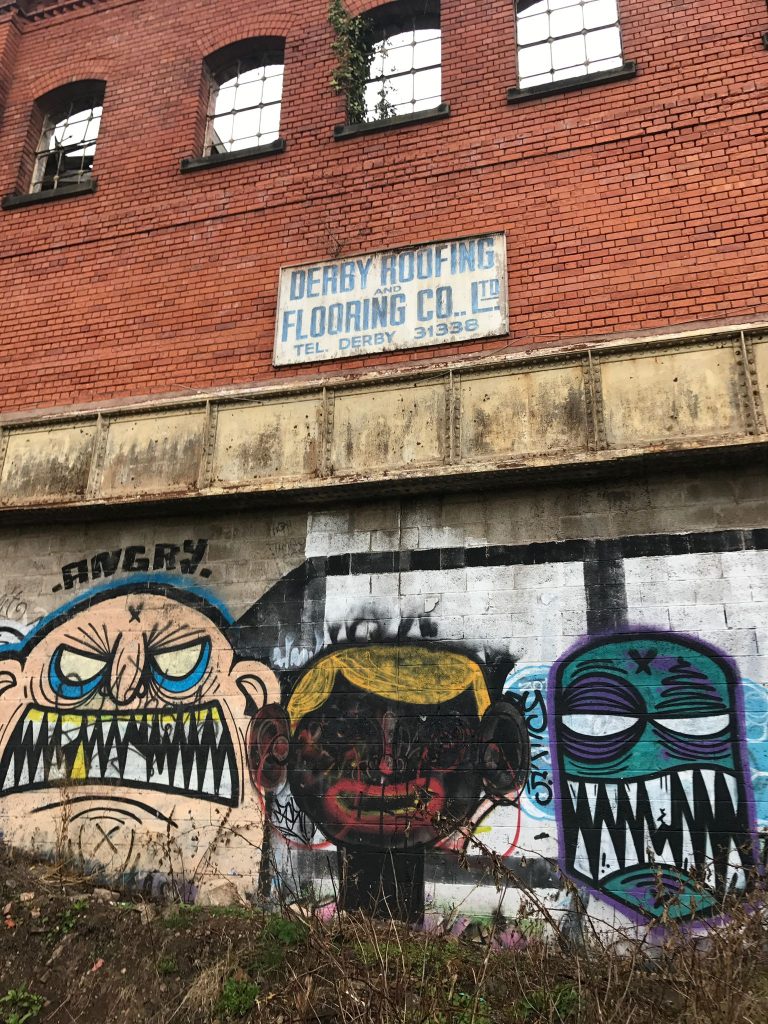
One wall. Then another. Then entire concrete sections lit up with colour, characters, lettering and style. Over time, the whole yard-enclosed by high concrete fences-became covered. Not vandalised. Curated. Worked. Reworked.
It felt alive.
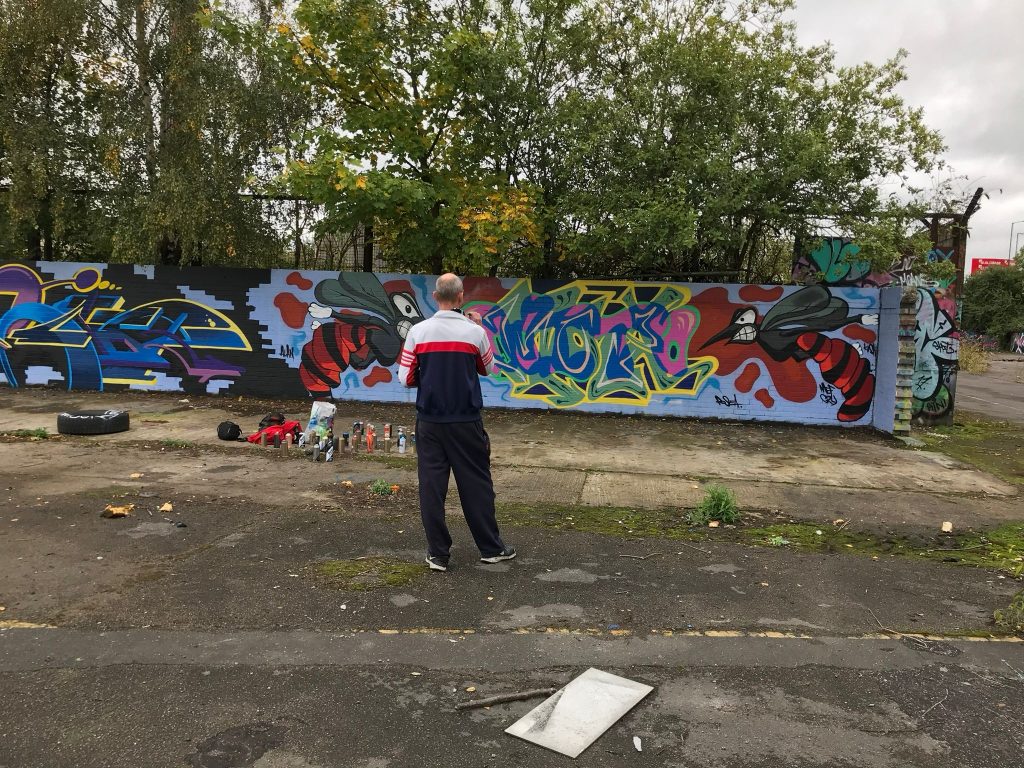
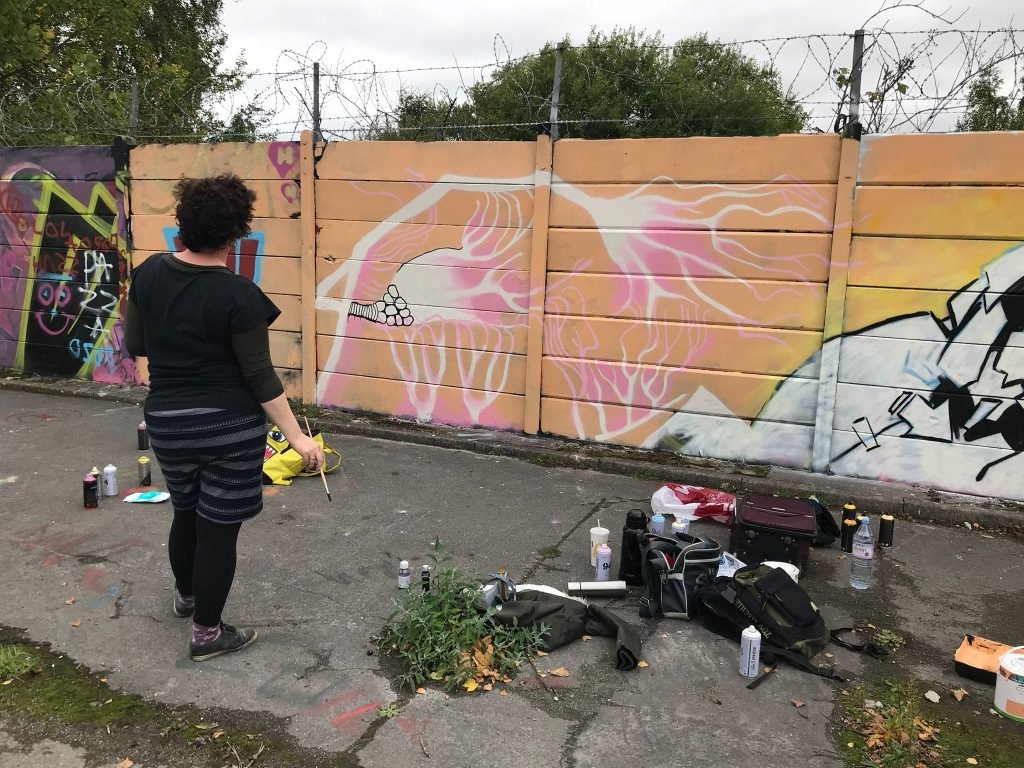
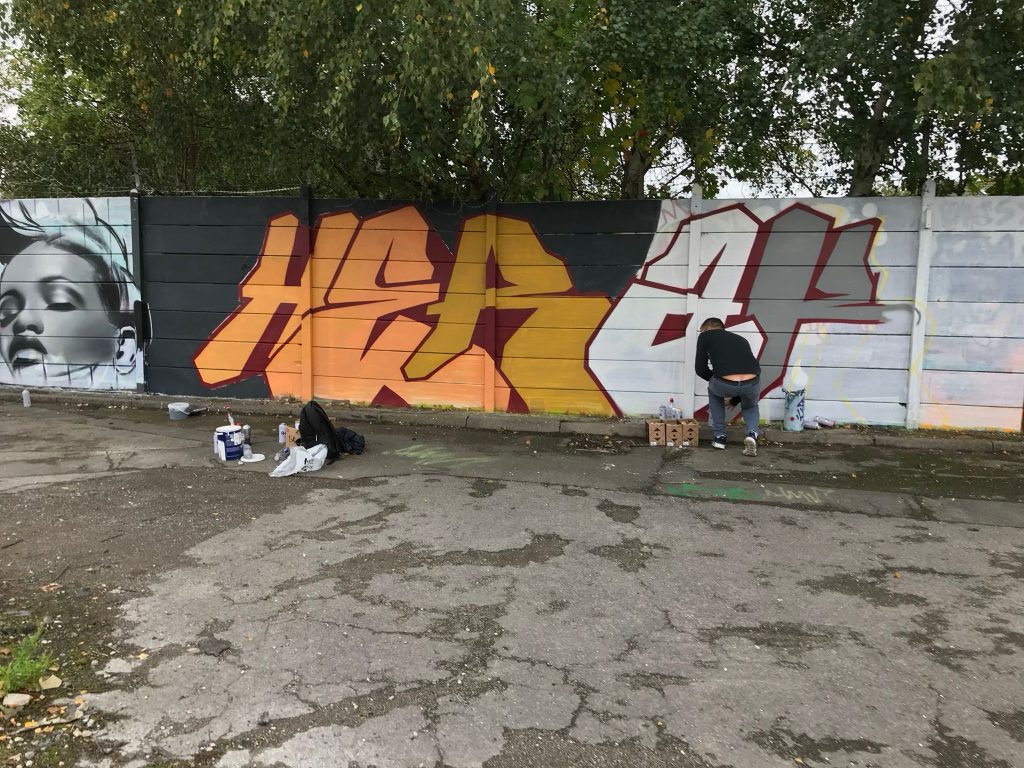
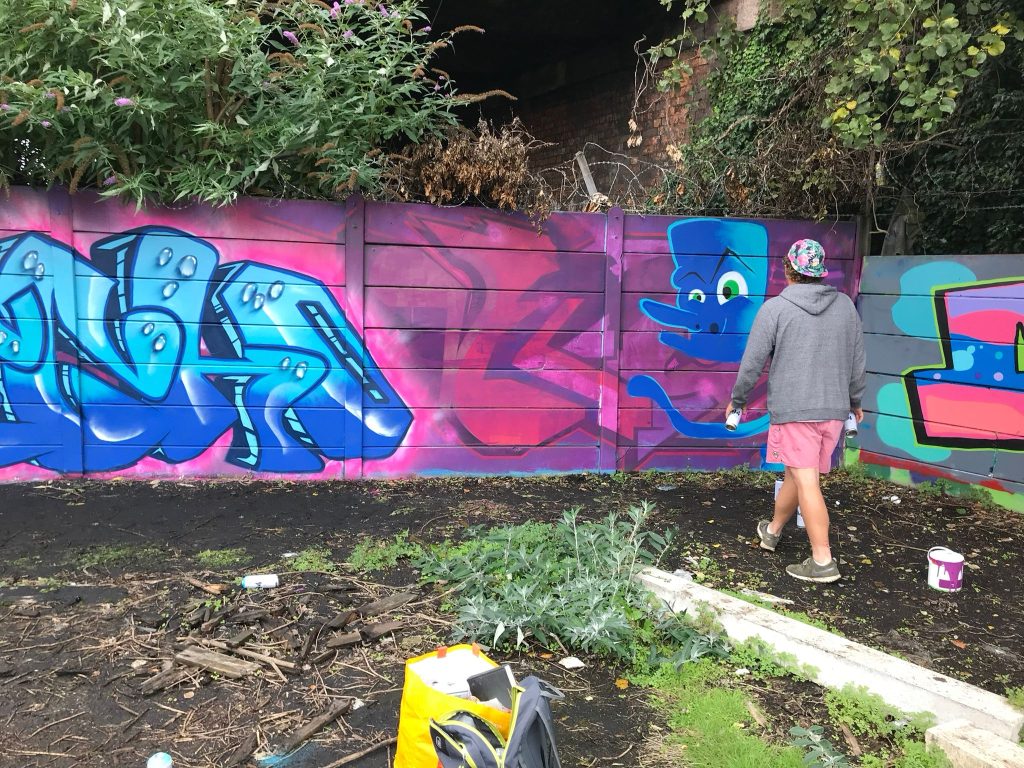
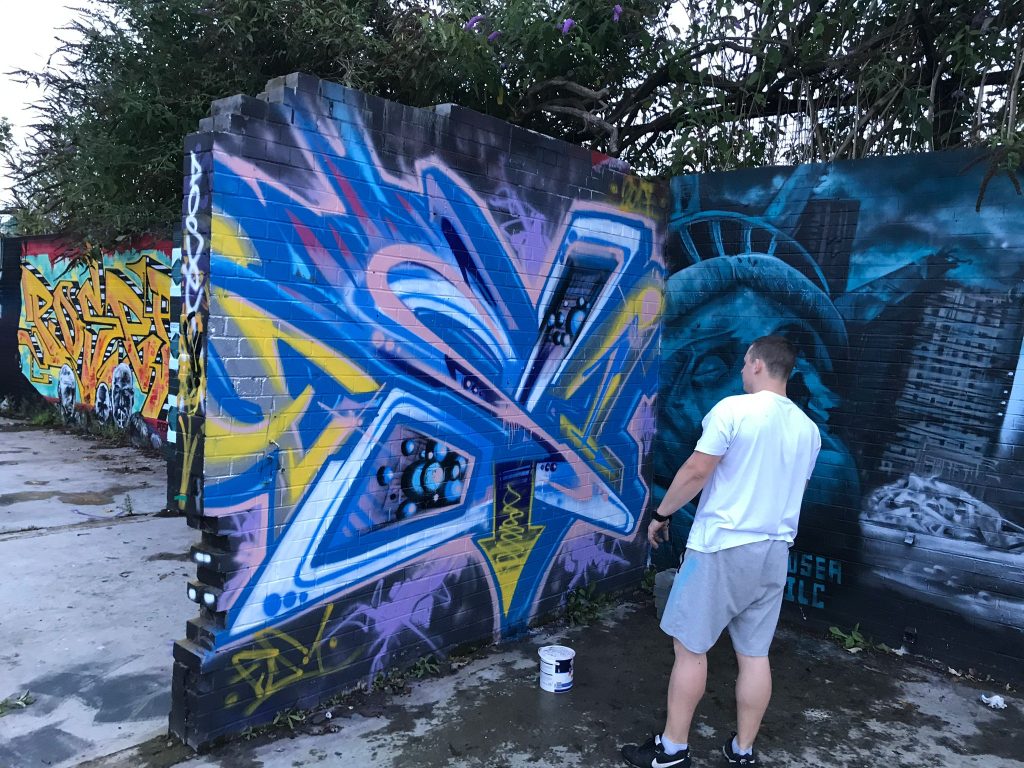
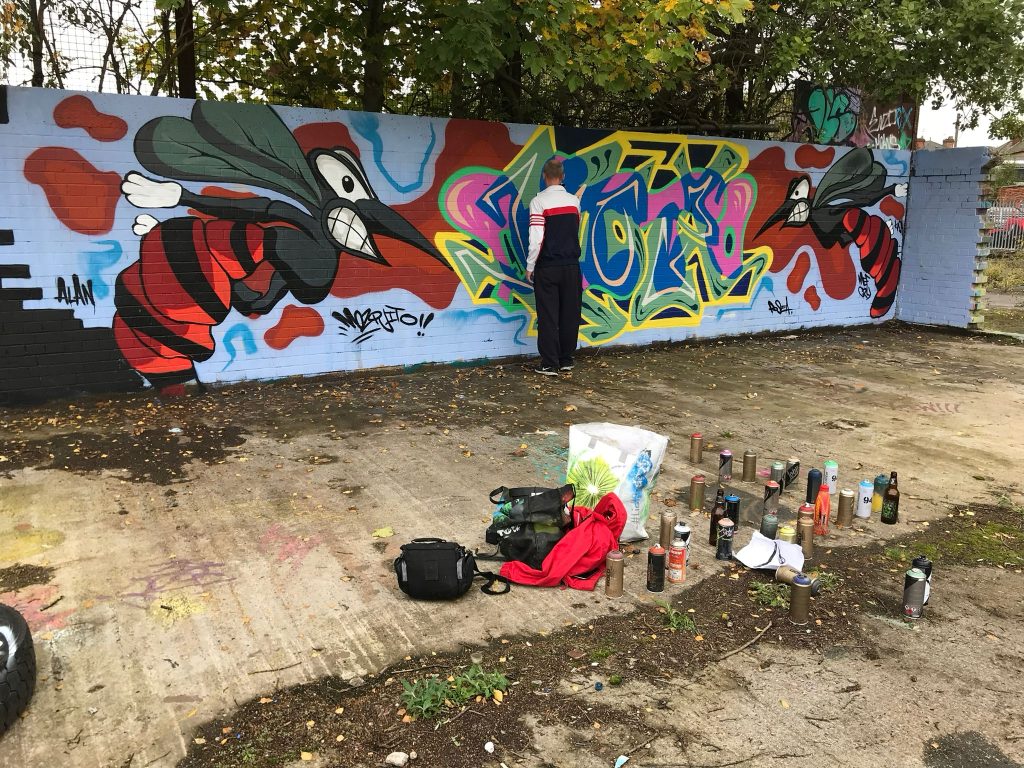
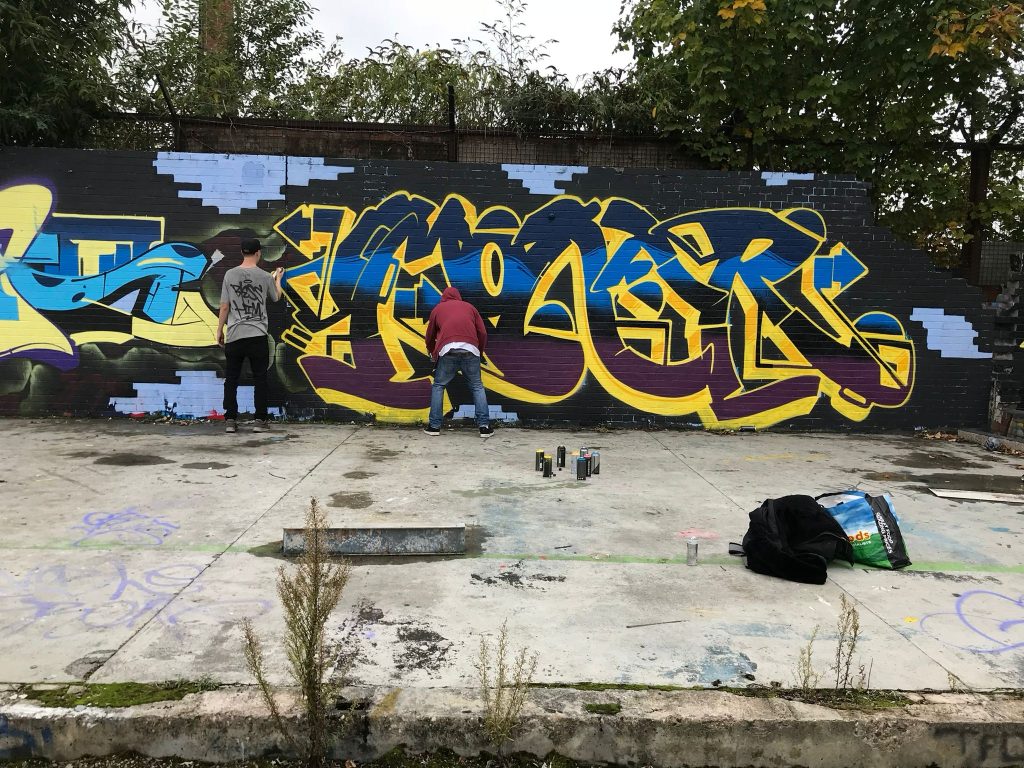
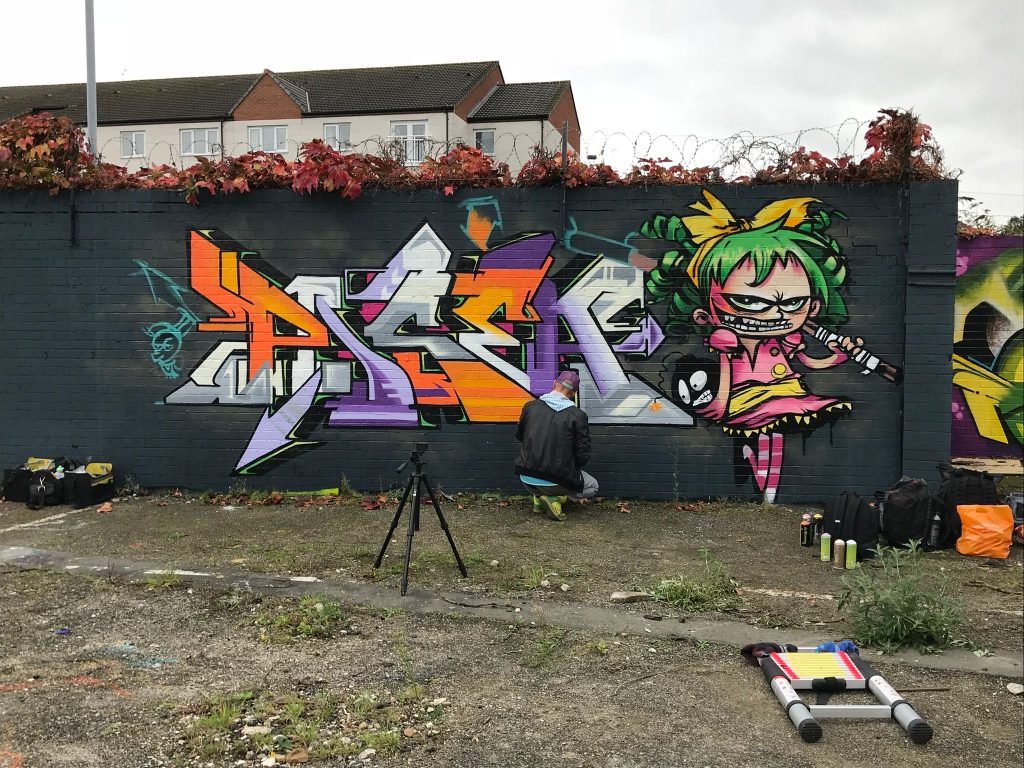
The atmosphere shifted completely. What had once felt threatening no longer did. Artists were there almost every time I visited, working on new pieces, chatting, welcoming people who wandered in. There was no hostility. No secrecy. Just creativity in motion.
You could spend an hour or more walking around this outdoor urban gallery. People did. Dog walkers. Parents with kids. Curious locals. It became a place to explore rather than avoid.
I remember seeing artists like Sille Det, Soap, Posea, Foks One and Timo working there, alongside many others whose names I never caught. There were even organised days promoted specifically for artists to come together and paint across an entire weekend. It felt like something was happening. Something organic, collaborative and real.
For a city that often struggles to find spaces for grassroots creativity, this was rare.
From No-Go Zone to Cultural Space
What struck me most was how completely the yard’s identity changed without a single official regeneration plan in place.
This was a space that had gone from unsafe, disused and forgotten to vibrant, colourful and full of life. Not through funding. Not through committees. But through people choosing to create.
It became a living art gallery. Not static. Not preserved. Ever-changing.
That period didn’t erase the site’s darker past, but it reframed it. It proved that creativity can reclaim space long before developers arrive with hoardings and CGI renders.
Fire, Loss and Long-Delayed Promises
The bonded warehouse itself wasn’t as lucky during this period. An arson attack destroyed the roof, further damaging an already fragile historic structure. Over the years, rumours circulated endlessly-shops, apartments, mixed-use schemes-none of which ever seemed to materialise.
For a long time, the building remained caught between decay and potential. Used by hard drug users. Then indirectly protected by the presence of artists nearby. Always present, never resolved.
Until now.
Regeneration, Finally Done Right
Today, the story has moved on again.
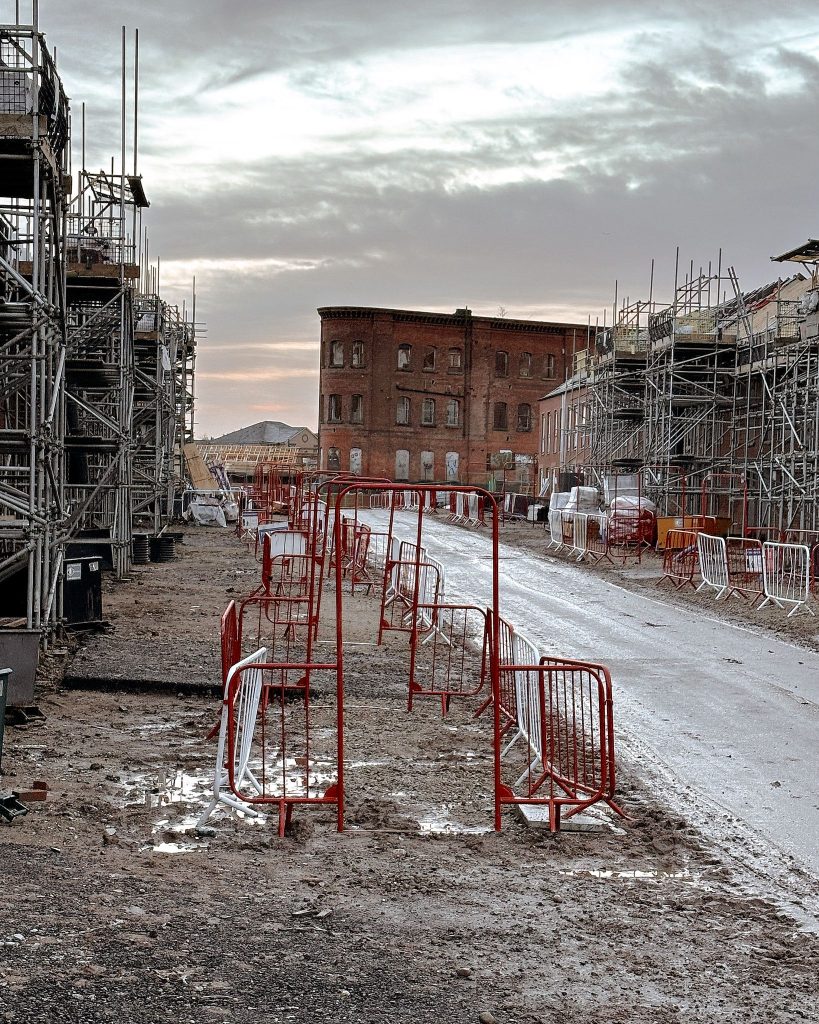
The former goods yard is now home to the Cathedral School, completed in 2022. Where people once wandered through street art, there is now a state-of-the-art educational space filled with children and teachers breathing new life into the area in a different way.
The bonded warehouse itself is finally being restored as part of an £80 million regeneration led by Wavensmere Homes. The historic structure will become a mixed-use public building, including a gym, coffee shops and a restaurant, with 276 houses and a four-storey apartment block of 49 apartments built around it. The project is expected to be completed by the end of 2028.
During restoration, original railway tracks and timber cobbles have been uncovered-softer surfaces designed for the hooves of horses hauling carriages through the yard more than a century ago.
Wavensmere Homes managing director James Dickens described the building perfectly when he said: “This building has got a soul and an identity. Local people have got a real connection to it, which is why it needs to be a public building.”
That connection matters.
A Full Circle Moment
The artists who once transformed the yard will move on. That is the nature of street art. They will find another dark corner, another forgotten space, and bring colour to it.
What matters is that this historic building and its surrounding land are finally being preserved, loved and used by hundreds of people every day. From railway depot, to dereliction, to danger, to creative haven, and now to schools, homes, cafés and community spaces-Friar Gate Goods Yard has metamorphosed repeatedly.
It was there before me. It will be there long after I am gone.
I just feel lucky that I got to experience the era of Big Yard Art. It truly felt like something special. A fleeting chapter in Derby’s cultural story that deserves to be remembered, not erased.
Regeneration doesn’t always begin with bulldozers. Sometimes, it starts with a spray can and someone brave enough to see potential where others see nothing at all.
art-scenecommunity-storieslocal-artistslocal-culturepublic-art