There are loud bands, and then there are bands like Family of Addiction. The kind that don’t just play a…
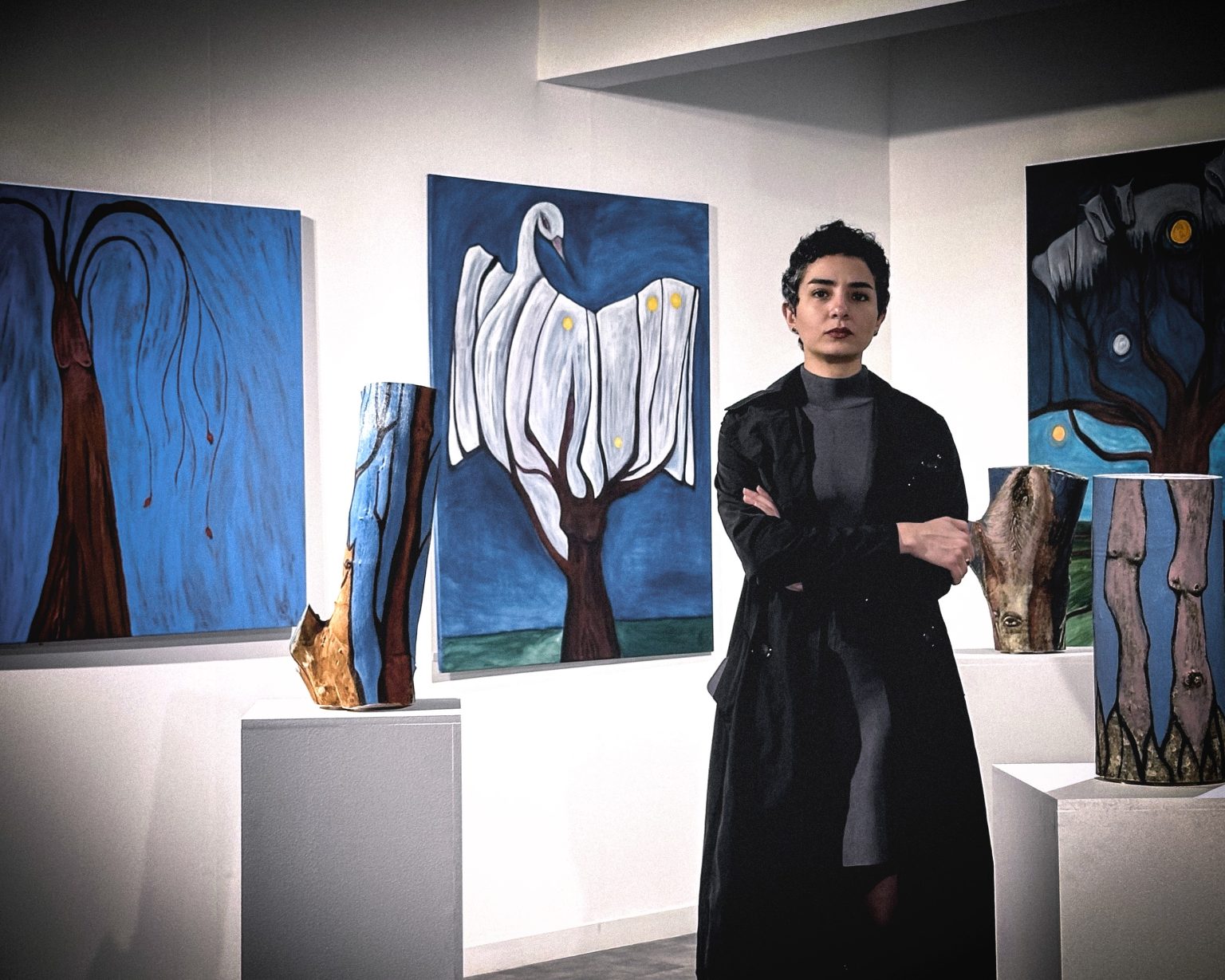
By K Futur LOCALTRENDNG proudly launches a brand new feature, Artist on Artist, a space where creatives turn the spotlight outward to celebrate the visionaries who shaped them. For our first edition, we return to the work of Venus Behjati, an artist whose practice is defined by memory, narrative, and the quiet power of psychological observation. In her earlier Artist Focus, Venus explored the depths of her own journey. This time, she opens the door to the artists who formed the architecture of her imagination.
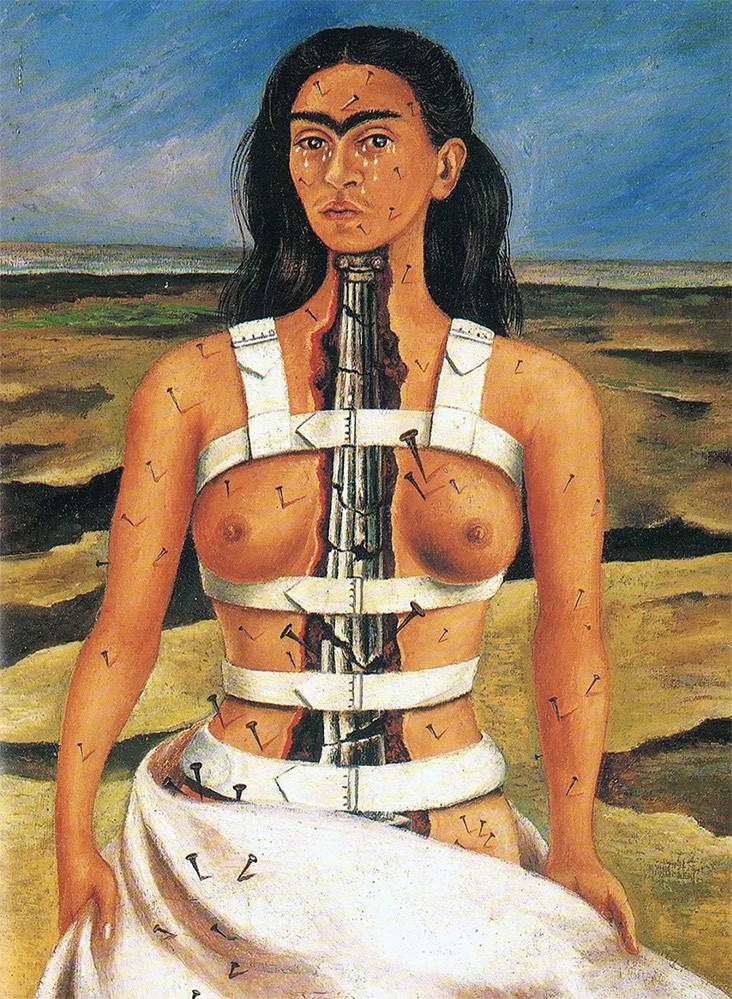
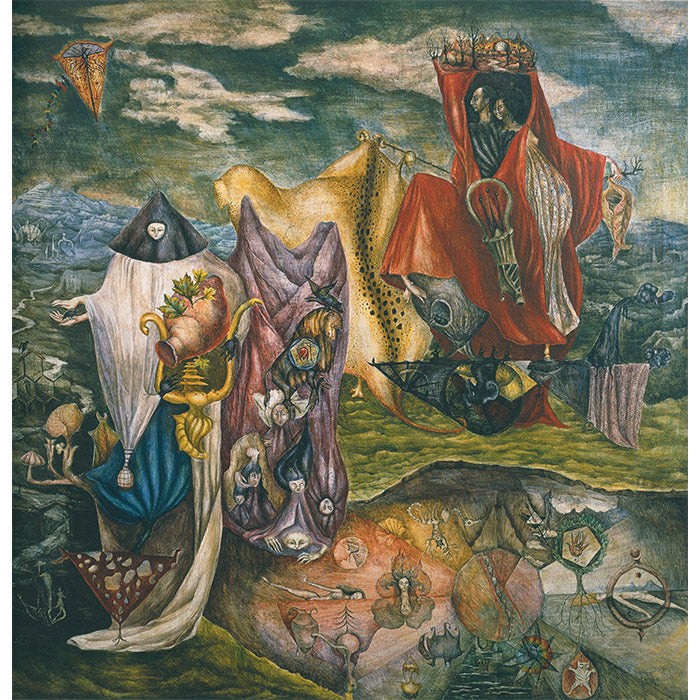
What emerges is not simply a list of influences, but a map of her artistic identity. Venus speaks about Egon Schiele, Leonora Carrington, Frida Kahlo, Helen Chadwick and, later, the British surrealist painter Marion Adnams. Together, these figures reveal the emotional, symbolic, and conceptual layers that run through her work.
Tracing the Line: Why These Artists Matter
“I’ve chosen to speak about Egon Schiele, Leonora Carrington, Frida Kahlo, and Helen Chadwick,” Venus begins, “because each of them shaped a different part of how I think and create.”
It is an immediate signal that her influences are not purely aesthetic. They are structural. Emotional. Philosophical.
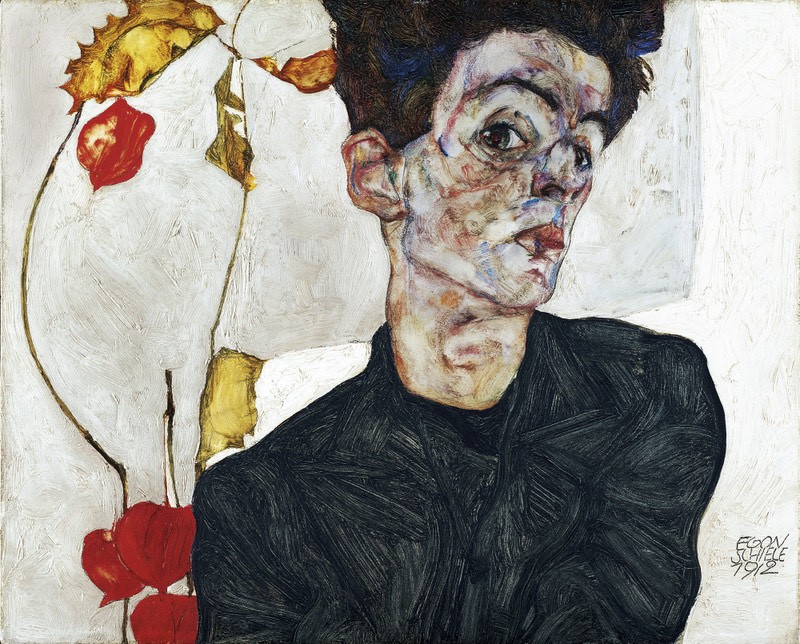
Schiele entered her story early, discovered when she was eighteen. His work, she says, struck her with its “raw, almost electric line”. His approach to the human body was not about replicating anatomy. It was about revealing psychology, something Venus herself strives for. “He taught me not to prioritise beauty over truth,” she says, and it is a lesson that continues to echo through her portraiture.
Carrington and Kahlo, meanwhile, opened entirely different doors. Their surrealist storytelling, their willingness to visualise inner worlds, allowed Venus to imagine beyond reality’s edge. “They turn inner experience into visual symbolism,” she explains, describing them as dream logic alchemists.
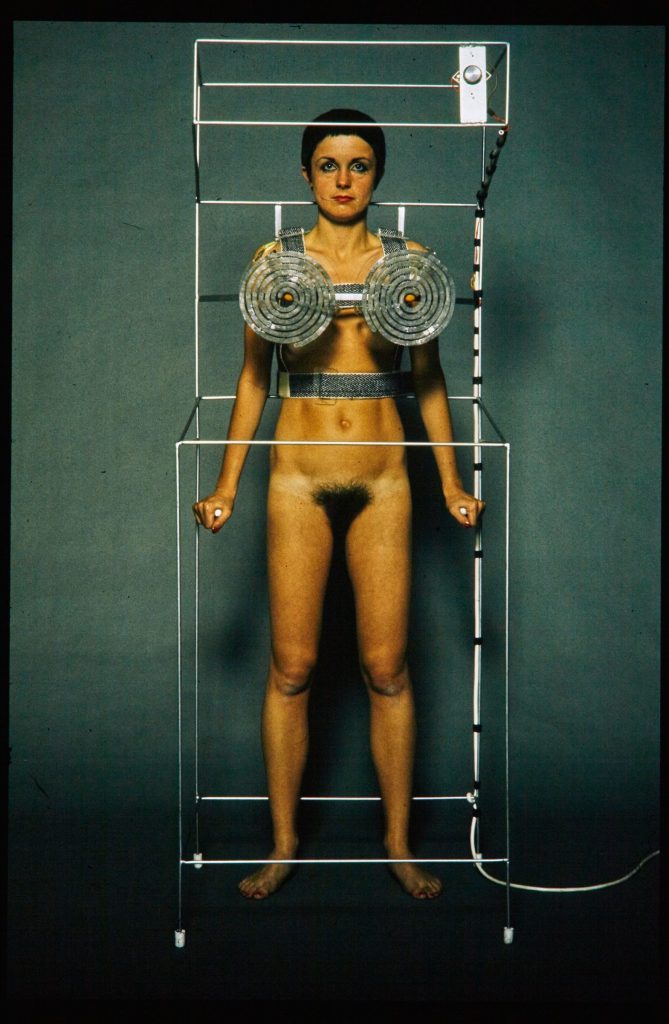
Then comes Chadwick, whose conceptual provocations challenged Venus to think not just about what art looks like, but what art is. “She challenges without losing aesthetic intensity,” Venus says. In Chadwick, she recognised the power of tension-beauty and discomfort held in a single breath.
Seeing the World Through Their Eyes
Discussing her chosen artists, Venus paints vivid portraits of their worldview.
Schiele, she believes, saw the world as “fragile, tense, and full of emotional truth”.
Carrington and Kahlo viewed reality as layered-“half reality, half subconscious myth”.
Chadwick approached the world as something to be pulled apart and examined.
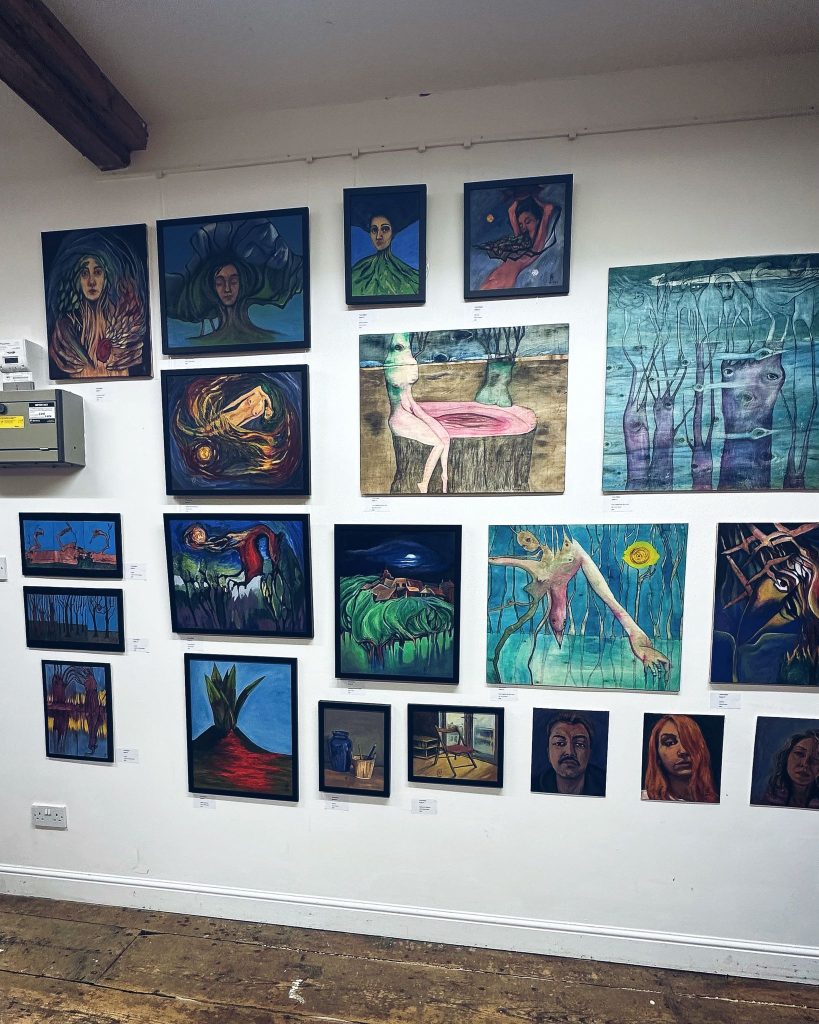
It is here that Venus’s own sensibilities become unmistakable. Her work also oscillates between the personal and the symbolic, between body and memory, between surface and what lies beneath.
Where some artists seek clarity, Venus is drawn to complexity. Interpretation. Internal landscape. These influences do not overshadow her practice-they heighten it.
Unconventional Words, Unconventional Visions
When asked to describe each artist in one unconventional phrase, Venus responds in ways that feel almost like poetry.
Schiele becomes “nervous electricity”, a body of lines vibrating with urgency.
Carrington and Kahlo are “dream logic alchemists”, transforming emotion into myth.
Chadwick stands as “elegant provocation”, precise yet disruptive.
These phrases-sharp, vivid-read like fragments of her own interior dictionary.
What They Chased, and What She Seeks
Each of these artists pursued different creative truths. Schiele sought emotional honesty. Carrington and Kahlo crafted self-mythology. Chadwick interrogated identity and the body with conceptual clarity.
Venus sees mirrors within all three. “My practice is also about revealing what lies beneath the surface,” she says of Schiele. Like Carrington and Kahlo, she embraces symbolism as a vessel for memory and identity. And with Chadwick, she shares a fascination with the balance between beauty and discomfort, though Venus instinctively approaches it through paint.
It becomes apparent that her influences are not simply admired from afar. They form the lens through which she understands her own creative impulses.
What the World Misses
In discussing overlooked elements, Venus shifts into a more reflective register.
People often miss Schiele’s tenderness, she says; they see distortion, not sensitivity.
Carrington and Kahlo’s humour is often overshadowed by the narratives of suffering attached to their biographies.
Chadwick’s playfulness can be lost behind the shock or intellectual weight of her concepts.
These insights reveal as much about Venus as they do about the artists. Her empathy, her attention to quiet details, her ability to see beyond the headline interpretation-these qualities shape her reading of the world, and ultimately her art.
Lessons From the Studio They Never Shared
If she could observe them at work, Venus would not ask questions. She would watch.
From Schiele: how he decides when a line becomes “alive”.
From Carrington and Kahlo: their translation of emotion into symbol.
From Chadwick: how ideas become form, then artwork, then meaning.
These desires are technical and emotional at once-another sign of an artist focused on process, not just product.
Drives, Urgency, Identity
Venus sees each artist as propelled by distinct forces. Schiele worked with a sense of urgency. Carrington and Kahlo created in order to reclaim identity. Chadwick was fuelled by curiosity and a need to dismantle assumptions.
These motivations resonate strongly with the psychological undercurrents of Venus’s own work. Her paintings, often layered with narrative and memory, belong to the same lineage of introspective exploration.
Imagined Collaborations Across Time
Asked who she would collaborate with, Venus imagines expressive portrait studies with Schiele, a dream-narrative with Carrington and Kahlo, and a conceptual installation with Chadwick.
These imagined works describe her own breadth-expressive, symbolic, conceptual-an artist able to merge emotion and structure, painting and idea.
Influence Across Creative Scenes
For Venus, these artists won’t just remain historical figures; their influence continues to shape contemporary culture. Emotional honesty, symbolic storytelling, and conceptual bravery, she believes, encourage a more open, experimental, psychologically driven approach to art-making. These qualities resonate across creative communities of every kind.
Her perspective frames their legacy not as something fixed, but as something alive-still challenging, still inspiring, still shaping the ambitions of artists working today.
Discovering Marion Adnams: A Local Connection With Global Weight
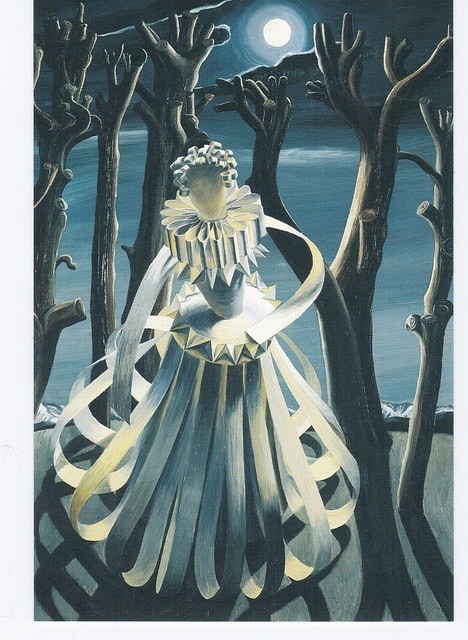
Near the end of the questions, Venus mentions a name with particular warmth: Marion Adnams, the British surrealist painter whose work she discovered much later.
“When I first came across her paintings,” Venus says, “it filled me with a real sense of excitement-almost like finding a missing piece of the surrealist world right on my doorstep.”
Adnams’ calm, dreamlike atmospheres resonated deeply. Discovering that there is a significant collection of her work in the Derby Museum and Art Gallery made the connection even more personal. Adnams became the bridge between global surrealism and Venus’s immediate environment, grounding her influences in a tangible, lived context.
A Portrait Through Others
Artist on Artist is not simply about who inspires whom. It reveals how artists build themselves through the echoes of others.
Venus Behjati’s influences-Schiele’s emotional charge, Carrington and Kahlo’s symbolic dream worlds, Chadwick’s conceptual audacity, and Adnams’ quietly powerful surrealism-together form a constellation that mirrors her own layered practice.
Through them, we see her more clearly: an artist shaped by honesty, imagination, and the courage to explore the unseen.
As TRENDNG continues this feature, Venus sets the tone for what Artist on Artist can be: reflective, intimate, rooted in creative lineage, and always opening new doors into the minds of the artists who define our visual world.
art-historyart-sceneartist-interviewarts-and-exhibitionscriticism-culture