
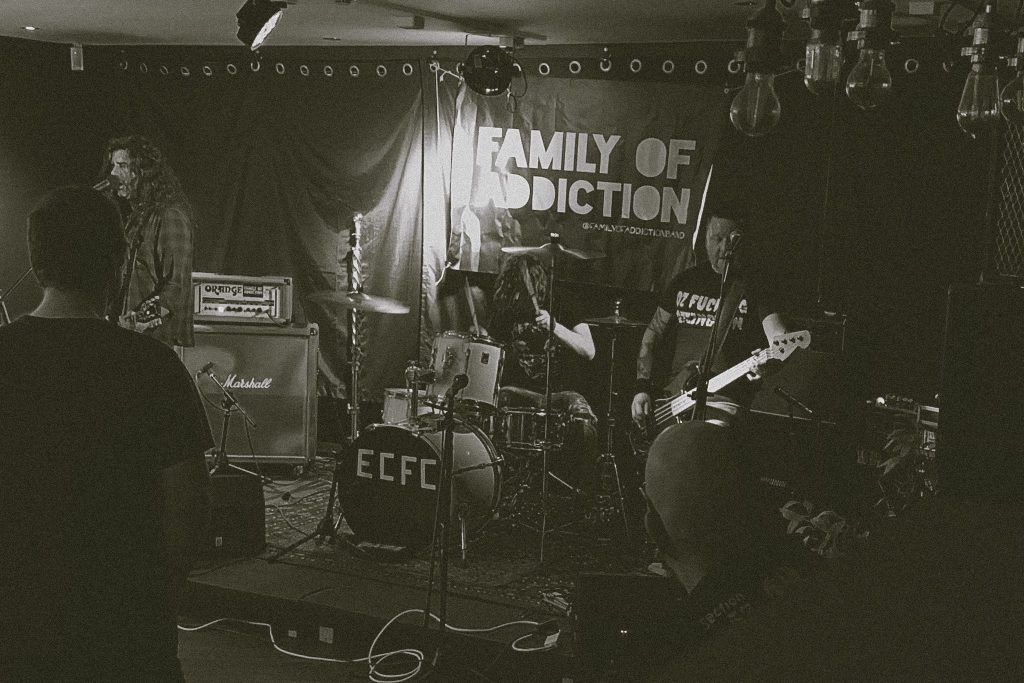
There are loud bands, and then there are bands like Family of Addiction. The kind that don’t just play a…
By K Futur LOCALIn our ongoing ARTIST ON ARTIST series, we invite musicians to step outside their own work and shine a light on the artists who shaped them. It is not about influence in a shallow sense, but about lineage, philosophy and the quiet, sometimes uncomfortable conversations artists have with the work that made them who they are.

We have spoken to Santino Martin before. In our earlier Artist Focus, he reflected on his own artistic journey as a songwriter and musician, from his solo work as Graveyard Cop to his roles within bands including Skeeve and Porcelain Girl. This time, the lens turns outward. When asked to choose one artist who had a defining impact on him, the answer came without hesitation.
Phil Elverum.
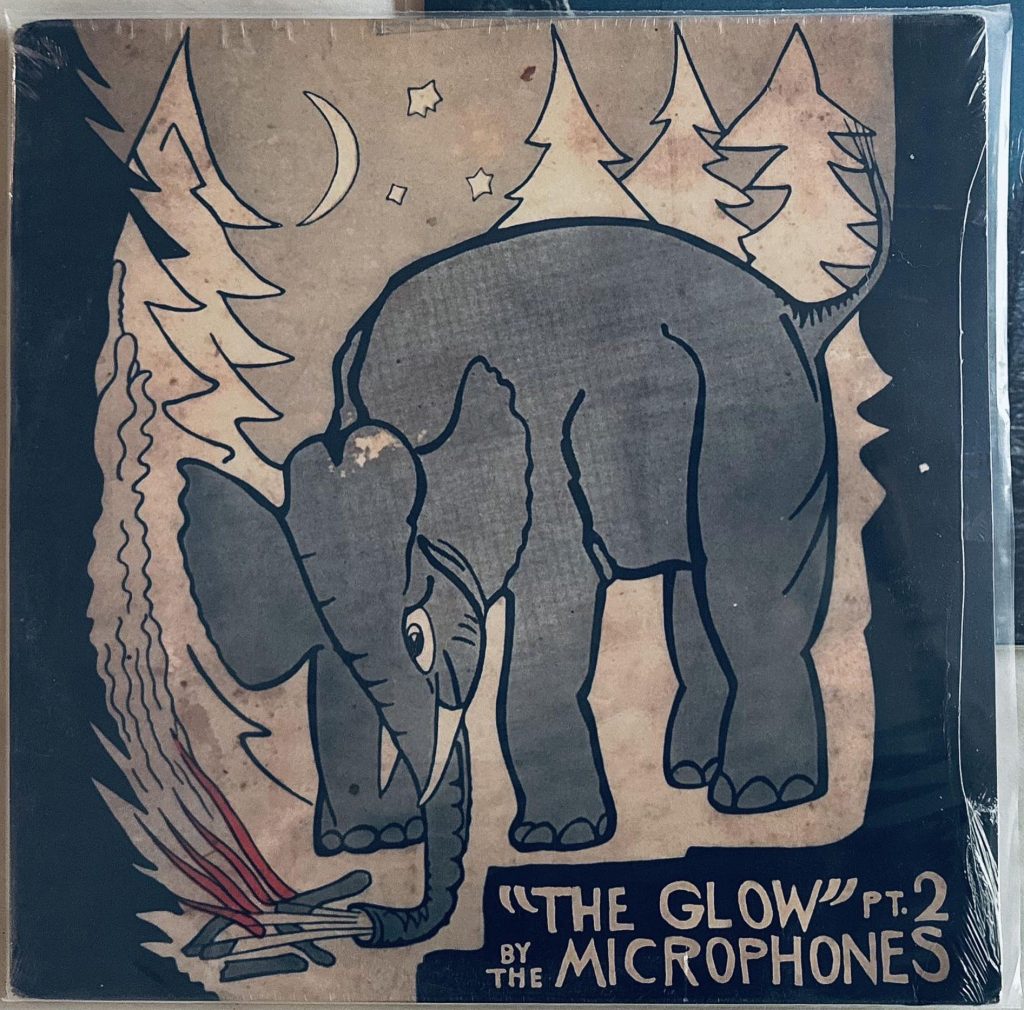
Best known for his work as Mount Eerie and The Microphones, Elverum is an artist whose catalogue resists easy categorisation. His music moves between lo-fi experimentation, stark acoustic minimalism and deeply personal songwriting that has become synonymous with emotional honesty in contemporary independent music. For Santino, that honesty was the starting point.
“Phil Elverum is easily my favourite artist and was the person who initially inspired me to start writing my own music.”
That statement alone places Elverum not just as an influence, but as an origin point.
Language, texture and emotional truth
What struck Santino first was not simply the sound of Elverum’s music, but the way it communicates. The language matters. The spaces matter. The imperfections matter.
“The words he uses and the narratives he can tell through metaphors really struck me. But he can also be gut-wrenchingly real.”
Elverum’s writing often lives in the tension between abstraction and brutal clarity. His lyrics can feel like fragments of thought, yet they land with devastating precision. Santino is equally drawn to the sonic decisions that frame those words.
“He also has a really unique ear for texture in his music. The layers he creates and equally the lack thereof are perfect for what he wants to convey.”
That balance between density and absence is something that echoes through Santino’s own work, particularly in the way his songs leave room for atmosphere rather than filling every corner. It is not about production polish, but about intention.
Seeing the world differently
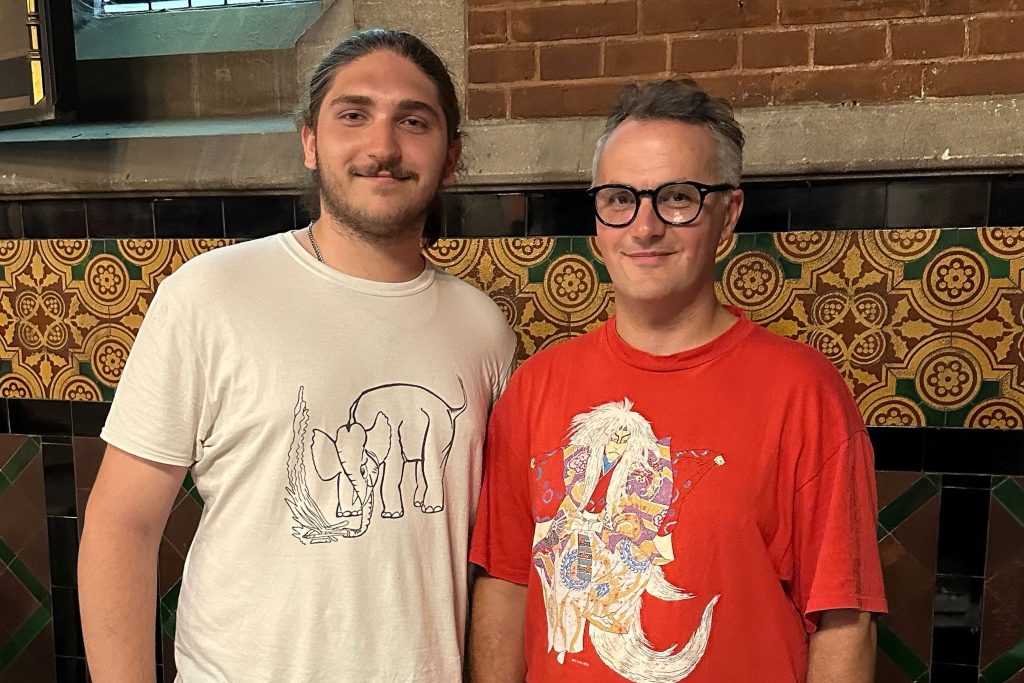
For Santino, Elverum’s music cannot be separated from his wider artistic sensibility. His work in photography and film reveals a consistent way of seeing the world.
“I can see that he has a really artistic perception of everything. It’s very clear in his grainy film photography that he has an eye for composition and that translates directly into his music.”
This idea of cross-disciplinary coherence resonates strongly with Santino’s own creative approach. Whether writing songs, shaping projects or moving between bands, there is a shared understanding that art is not confined to one medium. It is a way of observing, selecting and framing experience.
Asked to describe Elverum in one unconventional word, Santino chooses divergent.
“The way he thinks, writes and creates is unlike anyone I have seen and I’m always inspired by what I hear from him because it’s completely authentic and personal.”
Authenticity, here, is not a marketing term. It is a refusal to dilute emotion or smooth over discomfort.
Creating without chasing
Perhaps the most revealing part of Santino’s reflection comes when discussing motivation. In an industry obsessed with momentum, visibility and outcomes, Elverum represents a different model.
“I like to believe that he isn’t chasing anything in particular. He makes what he wants to make and what he feels passionate about and I think that’s something a lot of artists forget to do, even me at times.”
That admission speaks volumes. It acknowledges the quiet pressure artists feel to shape their work around expectation rather than instinct. For Santino, Elverum serves as a reminder that making meaningful art often requires stepping away from the idea of success entirely.
The overlooked details
While Elverum’s emotional weight and lyrical power are widely recognised, Santino believes much of his brilliance lies in the subtleties.
“The fine details. The overall composition and lyricism is clearly amazing and people often don’t seem to notice the small things he adds. The certain tone of an organ or small discrepancies in the guitars. That human element is what makes it for me.”
Those “discrepancies” are not flaws to be corrected. They are fingerprints. They are evidence of a person behind the recording, breathing, adjusting, reacting in real time. It is a philosophy that aligns closely with Santino’s own appreciation for imperfection as a creative strength.

A constant creative challenge
Elverum’s influence is not static. It is something Santino continues to wrestle with.
“Always. Everything I make, especially when I’m writing in a similar style to him always feels like I’m being challenged. I could only hope to be as good as him and will keep trying.”
That sense of challenge is not discouraging. It is generative. It pushes Santino to refine his voice rather than imitate someone else’s.
If given the chance to silently observe Elverum at work, Santino’s curiosity centres on process rather than technique.
“The thought process and the creative journey. I’d like to see where his mind goes when he’s creating a song and where he draws his inspiration from.”
It is a desire to understand not how something is made, but why.
Collaboration and legacy
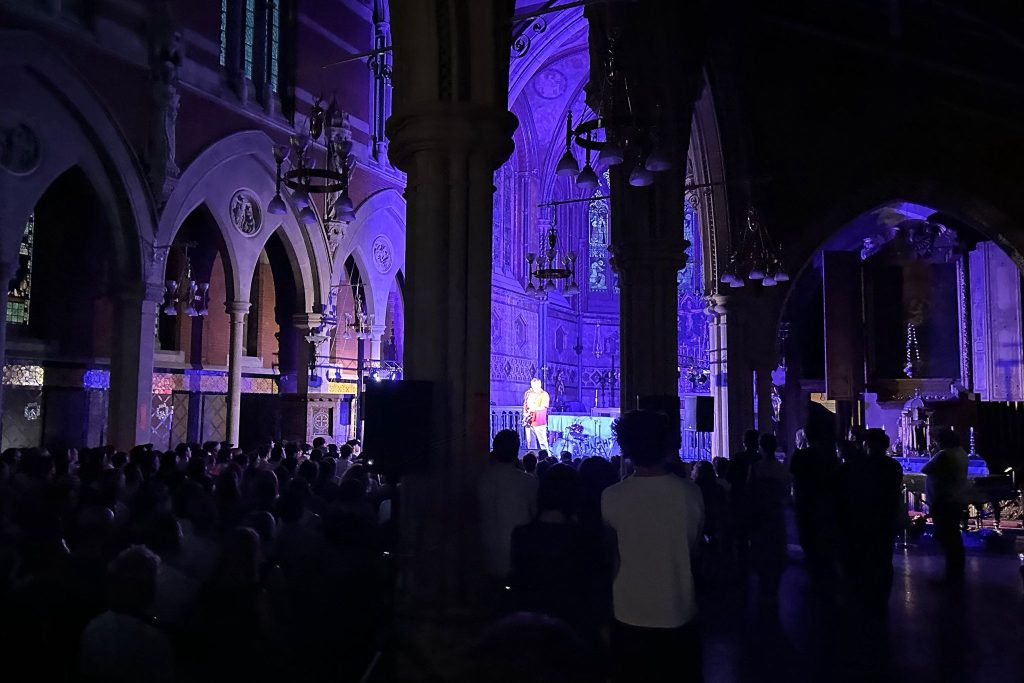
When imagining a collaboration, Santino’s vision is understated and intimate. Not a feature, not a spectacle.
“Just a song. Similar to the work he did with Julie Doiron with both voices harmonising and singing together. I’d like it to be entirely collaborative instead of the usual features you see.”
It is telling that the emphasis is on shared creation rather than authorship.
Looking ahead, Santino believes Elverum’s wider cultural impact is still unfolding.
“Despite the respect he receives from fans of his and music critics, he still has yet to become the icon he deserves to be. I can only hope the scene and music culture can truly see what he brings to music and take inspiration from him as I and many others do.”
In that hope lies the quiet thread connecting artist to artist, generation to generation. Phil Elverum did not just inspire Santino Martin to write songs. He offered a way of being an artist that values honesty over ambition, process over product, and feeling over finish.
And in Santino’s own evolving body of work, that influence continues to echo, not as imitation, but as permission.