In a city often misunderstood from the outside, James Thornhill has spent years quietly-and sometimes loudly-reshaping the narrative. Music journalist,…
By K Futur LOCALDerby has always been a city where creativity grows in unexpected places. From independent artists and grassroots musicians to skaters, filmmakers and spoken-word performers, the city continues to produce people who use creativity as a tool for change. Among them is Michael Kennedy, a Derby-based rapper and filmmaker who is using music, film and lived experience to shine a light on issues affecting the streets of the city he calls home.
For Kennedy, rap has never just been about rhythm and rhyme. It has been a lifeline, a form of expression, and now a vehicle for awareness. After more than two decades involved in rap, he is entering a new chapter in his creative journey-one where storytelling, social impact and personal redemption sit at the centre of his work.
Based in Derby, Kennedy is deeply embedded in the local community. His work stretches beyond music into advocacy and mental health awareness, connecting him with organisations and cultural spaces across the city.
“I’m currently based in Derby,” he explains. “I have a lot of involvement with Time To Talk men’s mental health. I’m also on the steering group for Derby Theatre and I know several artists in Derby, so that is how I’m getting where I’m going.”
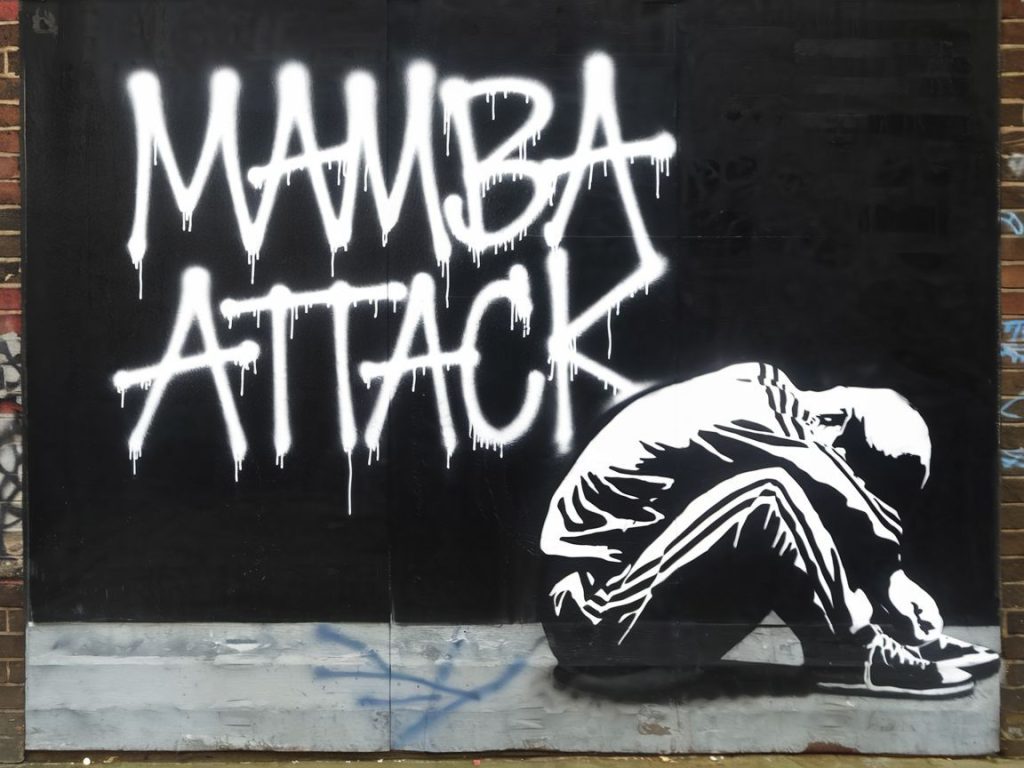
The connection between his creative work and the city itself is central to his mission. Derby is both his stage and his subject. One of the issues he has become particularly vocal about is the growing presence of synthetic drugs such as mamba and spice, substances that have had a visible and devastating impact on communities across the UK.
“The issue that I am raising about mamba and spice where I live-it is rife,” he says. “It is destroying the streets of Derby.”
That awareness has become the driving force behind one of his most significant recent projects.
Kennedy’s journey into music began long before advocacy became part of the picture. Like many young rappers of his generation, his introduction to hip-hop came through one of the genre’s most iconic figures.
“I have been a rapper for 20 years,” he says. “I started off walking to school rapping Eminem. He was my inspiration.”
From those early days he began honing his skills through battles and writing songs, developing his own voice and identity as an artist. Over time, rap became more than just a hobby. It became a way of navigating life’s challenges, including his experience with ADHD.
“Rap helps me express my ADHD troubles,” he explains.
Influences such as Tupac Shakur also shaped his perspective on music as a platform for storytelling and social commentary. While modern drill music dominates parts of the UK rap scene, Kennedy finds himself drawn to the emotional depth and honesty of earlier hip-hop eras.
“Eminem and Tupac are my biggest inspirations,” he says. “I like the instrumentals, they’re beautiful. I just can’t listen to some of the things people talk about now.”
At the local level, Derby’s music community has also played an important role in shaping him as an artist. Figures such as Michael Douce, founder of Deez Entertainment, and David Powell from Time To Talk have been influential in helping him develop his direction. He also credits fellow rapper Telli-someone he met during time spent in prison-as a powerful creative influence.
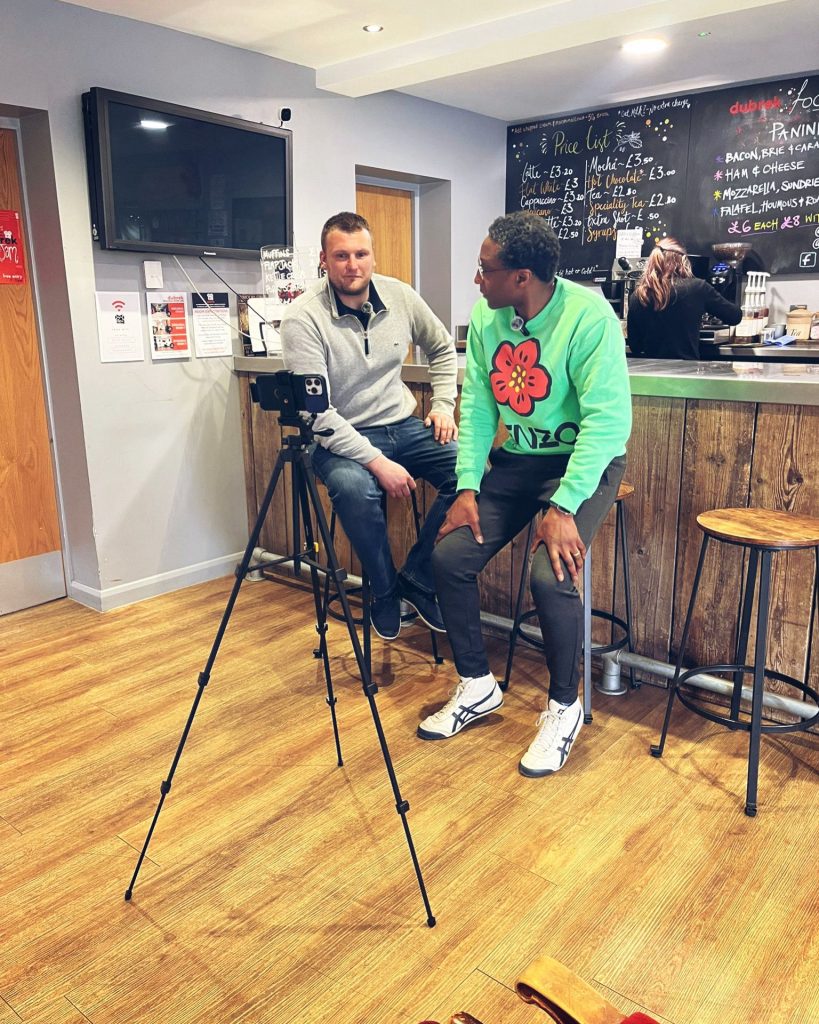
Despite his passion for music, Kennedy’s journey has not been straightforward. In fact, some of his most defining moments happened during periods of hardship.
“I used to be homeless and under the influence of drugs and alcohol,” he recalls. “I was rapping on street corners, under bridges, in alleyways and parks-anywhere I could get a crowd.”
Even in those difficult circumstances, music remained a constant.
“It was my best friend. It gave me a warm feeling in my stomach.”
Those experiences now shape the honesty that runs through his music today. Rather than hiding the struggles of addiction and life on the margins, he uses them as part of his storytelling. The difference now is that he is channeling that history into a message designed to help others.
That message comes through most clearly in his track Mamba Attack, a song and video created to raise awareness about the dangers of synthetic drugs.
The project began with a burst of creativity and determination. Kennedy filmed the original music video in just two weeks using nothing more than a phone camera, entering it into a film festival as an experiment to see how it might be received.
The result exceeded expectations.
“I did a video to my song Mamba Attack in two weeks on a phone just to enter a film festival-and I came second,” he says.
The recognition proved that the idea had real impact. The video soon travelled beyond the festival circuit, opening new doors for interviews, podcasts and radio exposure.
“It lived on to multiple other things-podcasts, radio station interviews,” he explains. “I really hope that this will help spread the word further. Mamba is so dangerous.”
One of the most meaningful milestones came when the song was played on National Prison Radio, bringing the message directly to audiences who may have faced similar struggles.
The response to the project helped Kennedy realise that his creative direction could evolve into something bigger. Rather than simply performing rap, he began thinking about how music could be used to spark conversations and encourage people to seek help.
“I thought, how could I do this in a bigger way and help people?” he says. “Then it just hit me-a song about mamba to raise awareness.”
The approach is simple but powerful. Music, he believes, has the ability to reach people who might not otherwise engage with public health messaging or social campaigns.
“Younger people tend to share music more,” he explains. “If you can get people to listen, that is a benefit.”
The early success of Mamba Attack has now led to an even more ambitious next phase. After finishing second in the film festival, Kennedy decided the project deserved a more polished visual treatment.
“So after coming second in the film festival, I realised the video wasn’t professionally done,” he says. “Now I have gathered funding and I’m on a mentoring course to shape my music career.”
The plan is to remake the video with higher production values while expanding the project into a wider campaign that will reach schools, universities and communities.
“I’m going to be doing a massive campaign,” he explains. “I’ll be out in the towns and cities in T-shirts, I’ll be at unions and schools doing talks.”
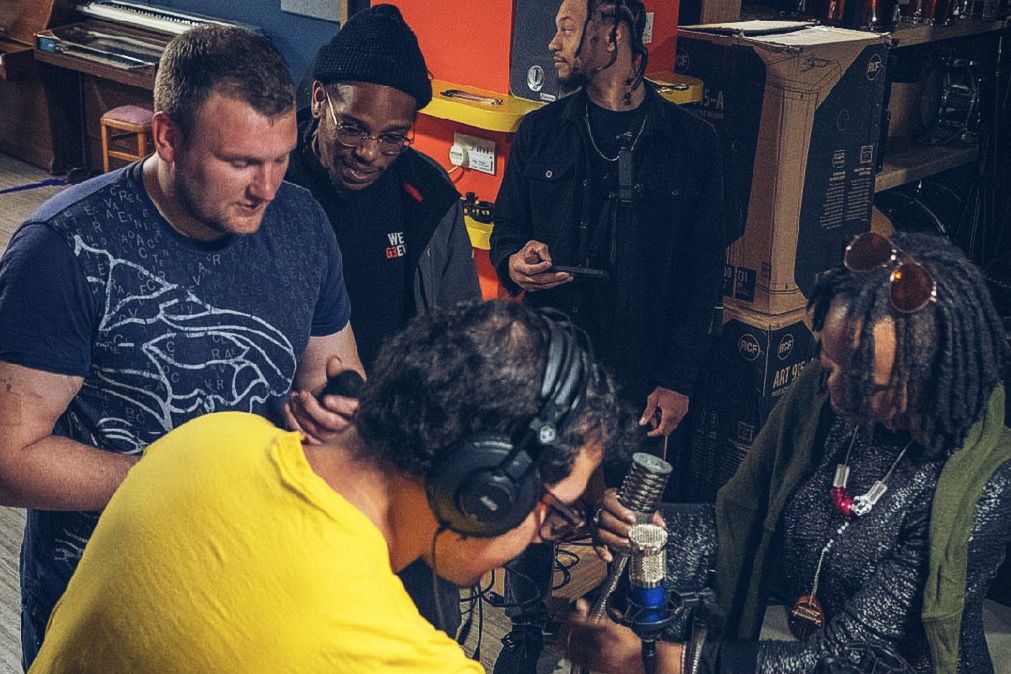
For Kennedy, the goal is clear: to make the conversation around synthetic drugs unavoidable.
“I just want everybody to get behind this,” he says. “I believe this song and this video deserve to be in high places-not only for respect, but to raise awareness.”
At the same time, the project has reignited his own creative spark. After years away from the microphone, he has returned to writing and recording with renewed energy.
“I’ve picked up the mic again and I have ten years’ worth of music that has been unheard,” he says.
That body of work represents a decade of experiences, reflections and stories waiting to be shared. If Mamba Attack is the catalyst, those songs may be the chapters that follow.
For Kennedy, the ultimate success of the project would not simply be chart positions or views on a video. It would be the conversations sparked inside homes and families.
“This song and video are fully to raise awareness,” he says. “I hope people take every bit of advice I give and share and spread the word.”
His vision is simple but powerful: a piece of music that travels far enough to reach parents, young people and communities who may not yet understand the risks associated with synthetic drugs.
“This song needs to go viral so people can sit and have a talk with their children,” he says.
For anyone curious about his work, the entry point is easy to find. His music video Mamba Attack is available online, and Kennedy encourages listeners to seek it out and share it.
“The music video is on YouTube-Mikki M Mamba Attack,please subscribe and share and all the rest.”
A quick search online reveals that the project has already generated significant attention, from podcasts and interviews to media coverage and award recognition.
“If you type into Google ‘Mikki M Mamba Attack’ there’s about twenty pieces of work,” he says. “Videos, podcasts, radio interviews and more.”
For aspiring artists watching his journey unfold, Kennedy’s advice is refreshingly direct.
“Don’t give up. Be real. Say what you mean. Don’t put a bravado on-just be yourself.”
Authenticity, he believes, is the foundation of meaningful art.
“All you need to do is be yourself and your music will come to you.”
It is a philosophy shaped by experience-one that acknowledges the setbacks, detours and difficult chapters that often accompany creative careers.
“I believe it’s all timing,” he says. “Put the effort in, put the grind in, stay in motion and believe in yourself.”
As Derby’s creative community continues to grow, voices like Michael Kennedy’s are an important part of the story. Artists who not only create but also challenge, advocate and raise awareness are often the ones who leave the most lasting impact.
With music, film and activism now intersecting in his work, Kennedy’s journey is no longer just about rap. It is about using creativity to change conversations, highlight hidden problems and help people see the realities affecting their communities.
And if Mamba Attack is only the beginning, Derby may soon hear much more from a rapper who has turned survival, honesty and purpose into his most powerful verses.
artist-interviewcommunity-storieship-hoplocal-artistsunderground-scene